

Drug & Substance Guide
Opioid Addiction: Side Effects, Detox, Withdrawal, and Treatment
Admissions answered 24 hours a day · Free and confidential
Excellent 4.6 out of 5 434 Google reviews across our locations



What clients say
Trusted by clients across Texas
4.6 from 434 Google reviews across 9 locations
Across Nova Recovery Center, Briarwood Detox Center and Eudaimonia Recovery Homes
★★★★★
“Nova is far from perfect, and some of the information can be misleading. But if you want to cover the 12 Steps while enjoying good food and a beautiful scenic view, this is the place for you. The…”
10 months ago · Wimberley
★★★★★
“I did 90 days at Nova Recovery 6 years ago. I am still sober today. And living a life I could have never imagined. The people and the program they are running impacted me for a lifetime. Better than…”
2 years ago · Wimberley
★★★★★
“I went to Nova almost 9 months ago and I wouldn’t change it for the world. The staff when I first entered were very nice and welcoming. As a 19 year old that didn’t know what I was getting myself…”
2 years ago · Austin
★★★★★
“Nova Recovery Center has been an invaluable part of my journey to sobriety. The intensive inpatient program, coupled with the unwavering support and guidance from my recovery specialist, Mark Rector…”
2 years ago · Austin


★★★★★
“I had such a positive experience at Nova Recovery in Wimberley! The staff genuinely cares and went above and beyond to support me every step of the way. The peaceful setting made it easier to focus…”
a year ago · Wimberley
★★★★★
“I love Nova so freaking much. Nova has saved my life in more ways than one. I was hopeless and had no solution suffering from this disease. The staff there never gave up on me. I was the worst client…”
2 years ago · Austin
★★★★★
“I know Mark rector is non-binary however it saved my life and it did a good job with CPR and I don't know how aside from staying sober I could ever repay it thank you Mr or Mrs or whatever you're…”
8 months ago · Austin
★★★★★
“It's been a few years since I was a patient at Nova Recovery Center. Recently I have been reflecting on my time there and how incredibly grateful I am for the experience I had. I have been to 7 rehab…”
2 years ago · Austin


Exceptional standards, backed by credible organizations
Our affiliations and accreditations
What opioids are
Opioids run from prescription painkillers to heroin, and the two are connected: up to 80 percent of heroin users started with prescription opioids.
They block pain signals between the brain and the body and act on the reward system at the same time, which is where the euphoria comes from and why dependence can build even when they are taken as directed. This page covers what opioids are, the Texas picture, whether they are addictive, the side effects, and what detox, withdrawal and treatment involve.
- What counts as an opioid
- Prescription painkillers and heroin alike
- Route into heroin
- Up to 80% of heroin users started on prescriptions
- Taken as prescribed
- Long-term dependence can still develop
- U.S. overdose deaths, 2017
- More than 47,000
Most people here did not choose this from a standing start. A prescription is where it usually begins, and treatment works either way.

What are Opioids?
Opioids are a class of drugs that are naturally found in the opium poppy plant. They are chemically related and that interact with opioid receptors in the brain and body.1 Opioids can be prescription medications (also known as painkillers or narcotics) or they may also be illegal substances like heroin.
Prescription opioids are used to treat moderate to severe pain. They work by blocking pain signals between the brain and the body and affecting the brain’s reward system. In doing so, they also produce feelings of euphoria, happiness, or relaxation, especially when they are taken in large doses. These feelings can be very addictive and may encourage the misuse of drugs.
Any misuse of opioid drugs can be dangerous and may cause dependence, addiction, or overdose. Misuse of prescription drugs is also strongly related to heroin abuse and addiction, although it is just one factor that influences the development of heroin addiction.
According to data from 2011, 4 to 6 percent of people who misuse prescription opioids switch to heroin. This is likely due to its lower cost and availability. However, more recent data suggests that heroin is the first opioid many people use. For example, one study found that about one-third of people receiving opioid addiction treatment stated heroin was the first opioid they abused regularly.2
Heroin is considered one of the world’s most dangerous opioids, but prescription opioid use also comes with many risks. Although prescription opioid drugs are effective when used as directed by a doctor, they are also highly addictive. Even if a person takes them as prescribed, he or she may develop opioid dependence or opioid addiction.











Texas Opioid Crisis at a Glance
Opioid misuse continues to impact Texas communities at alarming rates. By 2021, the state’s overdose death rate had risen to 15.8 per 100,000, reflecting a sharp increase from previous years. Fentanyl in particular has fueled the crisis, with deaths nearly doubling from 883 in 2020 to 1,672 in 2021, a nearly 400% increase compared to 2019. Prescription opioids were also a factor in 39% of opioid-related deaths during 2021. Encouragingly, targeted public health interventions have recently shown progress. In Travis County, opioid-related deaths dropped from 486 in 2023 to 380 in 2024, with fentanyl-related deaths declining by 36%. These trends highlight both the urgency of the opioid crisis and the potential impact of comprehensive treatment and prevention strategies across Texas.
Are Opioids Addictive?
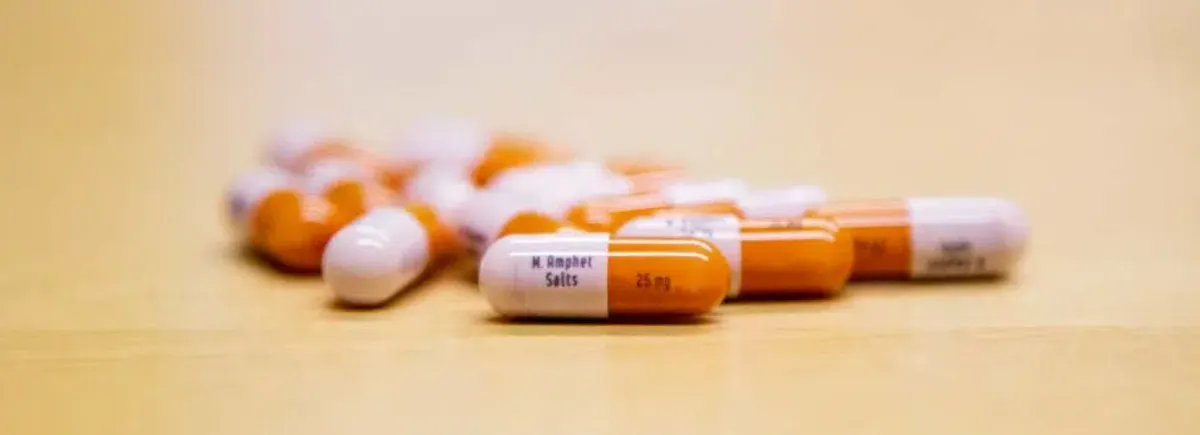
Prescription opioids and illegal opioids are highly addictive. They bind to opioid receptors on cells throughout the brain and body, dulling a person’s perception of pain and affecting the brain’s reward system. As this occurs, the user experiences strong feelings of euphoria and relaxation, also referred to as a “high.” A person may use prescription opioids for pain relief, but once he or she begins taking them just to get high, he or she has developed an opioid use disorder.8
Heroin is extremely addictive because when it is injected or snorted, it enters the body and brain all at once and produces a powerful yet short high. The first high a person experiences is the most euphoric and subsequent heroin use is often an attempt to feel those same intense feelings. Users never experience it the same way again but continue to try because they are addicted.
Unlike heroin, prescription opioids are designed to produce a more gradual effect. However, some people take larger doses, more frequent doses, or crush the pills and snort or inject the powder because they want to experience more powerful effects. These are dangerous behaviors that can cause opioid dependence, overdose, or addiction.
In America, all opiate drugs are classified as controlled substances due to their risk of abuse and dependence. The only exception is if an opiate is currently being developed or is illegally manufactured and has a different chemical makeup than other recognized opiates. Most opioids are Schedule II drugs, although heroin is a Schedule I drug and several others are Schedule III, IV and V. You can see our full drug classifications charts here for more information.

Street Names for Opioids
Some common street names for opioids include:
- Captain Cody
- Cody
- Schoolboy
- Doors & Fours
- Pancakes & Syrup
- Loads
- M
- Miss Emma
- Monkey
- White Stuff
- Demmies
- Percs
- Perks
- Juice Dillies
- Pain killer
- Apache
- China girl
- Dance fever
- Goodfella
- Murder 8
- Tango and Cash
- China white
- Friend
- Jackpot
- TNT
- Oxy 80
- Oxycat
- Hillbilly heroin
Ready to take the next step?

Examples of Opioids
| Opioid Drug | Brand Names |
| Oxycodone |
|
| Hydrocodone-Acetaminophen | |
| Morphine |
|
| Hydromorphone |
|
| Fentanyl |
|
| Methadone |
|
| Oxymorphone Hydrochloride | |
| Meperidine |
|
| Carfentanil |
|
| Buprenorphine |
|
| Codeine |
|
We accept most major insurance
Most major insurance covers treatment here
We'll check your benefits for free and tell you what you'd actually pay, before you commit to anything.
















Takes about 2 minutes · No obligation · Or call (512) 605-2955
Don't see yours? We work with more plans than we can show here.
VERIFY YOUR INSURANCE | 100% CONFIDENTIAL

How Long Do Opioids Stay in Your System?
Different factors will influence how long a drug stays in your system, including opioids. For example, an opioid may take hours or days to clear from your system depending on:
- The type of opioid drug you took
- How much of the drug you took
- Your weight
- Your metabolism
- How you administered the drug
- If you used any other drugs with the opioid
- Your age
- Any medical problems you have
- Your gender
- Your ethnicity
Opioid use is detectable via drug test, although the type of drug test used will influence how long an opioid is detectable in the body. Here are approximate drug test detection times for commonly used opioid drugs.
- Codeine drug test detection times
- Blood test: 1 day
- Urine test: 1-2 days
- Saliva test: 1-4 days
- Hair test: 90 days
- Hydrocodone drug test detection times
- Blood test: 1 day
- Urine test: 2-4 days
- Saliva test: 12-36 hours
- Hair test: 90 days
- Heroin drug test detection times
- Blood test: 6 hours
- Urine test: 2-7 days
- Saliva test: 5 hours
- Hair test: 90 days
- Morphine drug test detection times
- Blood test: 12 hours
- Urine test: 2-3 days
- Saliva test: 4 days
- Hair test: 90 days
- Fentanyl drug test detection times
Blood test: 12 hours
Urine test: 1 day

Side Effects of Opioid Abuse
Using opioids for medical purposes comes with some normal side effects such as slow breathing, constipation, drowsiness, nausea, and confusion. However, when opioids are misused, they can produce much more serious side effects like:
- Severe respiratory depression
- Slurred speech
- Disorientation
- Physical dependence
- Non-fatal or fatal overdose
- Addiction

Signs of an Opioid Overdose
Opioid overdose is common among users who take extremely large doses or who misuse opioids with other substances and it can result in the following symptoms:
- Pinpoint pupils
- Limp body
- Blue fingernails or lips
- Falling asleep or lack of consciousness
- Slow, shallow breathing
- Choking or gurgling sounds
- Pale, blue, or cold skin
If you believe that a loved one is overdosing on opioid drugs, call 911 right away and administer naloxone, if it’s available.

Opioid Withdrawal Symptoms
If you’re addicted to opioid drugs, you will experience withdrawal symptoms if you try to stop using them. Opioid withdrawal symptoms frequently include:
- Muscle and bone pain
- Insomnia
- Vomiting
- Diarrhea
- Cold flashes and goosebumps
- Restlessness
- Cravings for opioids
For a medication‑specific guide, see our overview of buprenorphine withdrawal symptoms, including timelines and care options.
Quitting opioids cold turkey can make these withdrawal symptoms worse and drug detox, in general, can be very difficult without professional support. A medical detox program for opiate withdrawal can provide professional management of withdrawal symptoms and clinical support for patients experiencing depression, anxiety, or other psychological effects of withdrawal and detox. Prefer to begin detox with Nova? Learn about our medically‑assisted drug & alcohol detox.
Freedom Starts Here. Take Back Your Life Today.
Same-Day Admissions in Austin Available.
Opioid Withdrawal Timeline
Opioid withdrawal symptoms are generally the most intense within 12 to 24 hours after the last dose wears off. The duration of opioid symptoms varies from person to person but they usually subside after about one week.

Signs of Opioid Abuse and Addiction
It’s not always easy to tell if a loved one is abusing opioids, but signs of opioid abuse and addiction often include:
- Inability to control opioid use
- Uncontrollable cravings for opioids
- Extreme drowsiness
- Changes in sleeping habits
- Weight loss
- Frequent flu-like symptoms
- Lack of hygiene
- Decreased libido
- Isolation from loved ones
- New financial problems
- Stealing from loved ones and/or friends
If opioid use is impacting your relationships, our Family Program can help.

How to Overcome Opioid Addiction
Many different treatment methods are effective in treating opioid addiction. The primary treatment for prescription opioid addiction is medication-assisted treatment (MAT), which consists of medication, individual and group counseling, peer support, and behavioral therapy. This type of treatment provides support through all aspects of recovery, including withdrawal and learning how to live independently after rehab.
According to the National Institute on Drug Abuse (NIDA), most people need at least 90 days to see positive, long-lasting results from addiction treatment, so long-term addiction treatment is ideal for those who are struggling with opioid addiction. This often includes several episodes of treatment, such as medical detox, residential rehab, IOP, and sober living.
If you or a loved one is struggling with opioid addiction, you are not alone and there is hope for a full recovery. The caring professionals at Nova Recovery Center are here to help. Call (512) 605-2955 to speak with an admissions representative today.
Opioid Addiction FAQs
What are opioids?
Opioids are a class of natural, semi‑synthetic, and synthetic drugs that act on opioid receptors to relieve pain; they include prescription medicines (e.g., oxycodone, hydrocodone, morphine, codeine, fentanyl) and illegal drugs like heroin. “Opiates” are plant‑derived; “opioids” is the broader term covering both natural and synthetic compounds.
What are the signs of opioid addiction (opioid use disorder)?
Warning signs can include strong cravings, inability to cut down, continuing use despite problems at home/work, taking more or longer than intended, and withdrawal symptoms when stopping. Clinicians diagnose OUD based on a pattern of impaired control and harm; identification should trigger treatment, not stigma.
What are opioid withdrawal symptoms and how long do they last?
Common symptoms include anxiety, muscle aches, nausea/vomiting, diarrhea, sweating, gooseflesh, runny nose, yawning, and insomnia. Onset and duration vary by drug and use history; acute symptoms often peak within 24–72 hours and typically improve over several days, though some symptoms can persist longer.
How long do opioids stay in your system?
Detection windows depend on the specific opioid, dose, frequency, and the test type. Urine tests often detect opioids for 1–3 days (longer for some agents and chronic use), and lab guides provide drug‑specific ranges used by clinicians and toxicology labs.
How is opioid addiction treated (what is MOUD/MAT)?
Evidence‑based care combines medications for opioid use disorder (MOUD) (methadone, buprenorphine, or naltrexone) with counseling and recovery supports. MOUD reduces cravings and overdose risk and improves retention in care; recovery is possible with the right plan.
What is naloxone (Narcan), and how does it reverse an overdose?
Naloxone is an opioid antagonist that quickly displaces opioids from receptors to restore breathing, often within 2–3 minutes, and is safe to use as a nasal spray or injection. If you suspect an overdose, call 911, give naloxone, and stay with the person while monitoring breathing.
Is fentanyl an opioid, and why is it so dangerous?
Yes. Fentanyl is a very potent synthetic opioid (dozens of times stronger than heroin or morphine). Illicitly made fentanyl is frequently mixed into other drugs or counterfeit pills, dramatically increasing overdose risk even with very small amounts.
Can you overdose on prescription opioids, and what should you do?
Yes. Slow or stopped breathing, pinpoint pupils, and unresponsiveness are emergency warning signs; call 911 immediately and administer naloxone if available. Even when prescribed, opioids carry overdose risk, especially with higher doses, concurrent sedatives, or underlying conditions.
Are opioids safe for pain?
They can be appropriate for some situations when used at the lowest effective dose for the shortest time and with a clear plan to stop, but they carry risks of tolerance, dependence, and OUD. Ask about non‑opioid options and the side effects/overdose risks before starting.
Other Outpatient Drug and Alcohol Rehab Locations
- IOP in Austin
- IOP in San Antonio
- IOP in Colorado Springs
Not sure where you stand?
Talk to someone today
Ready when you are
Admissions are answered 24 hours a day by a person, not a queue. We will check your benefits for free and tell you what treatment would actually cost.
Free and confidential · No obligation