
Substance Abuse
Why Are Opioids Addictive?
Excellent 4.6 out of 5 434 Google reviews across our locations




Published May 27, 2019
Reviewed and updated July 16, 2026
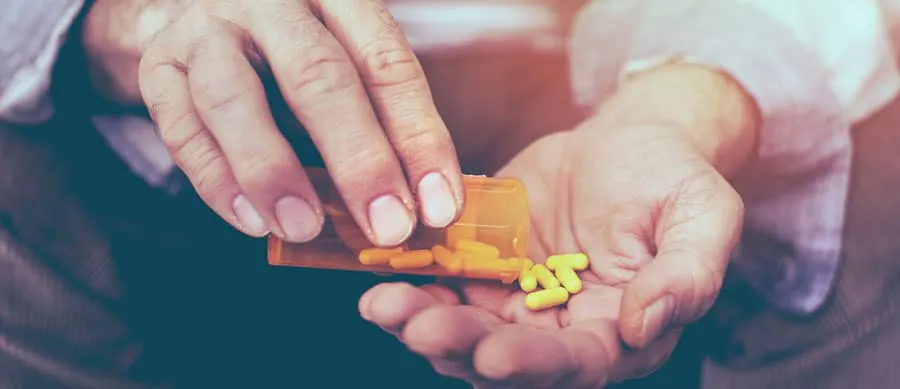
Why are opioids addictive?
Opioids are highly addictive because they flood the brain with endorphins and dopamine, which produce feelings of pleasure, satisfaction, and euphoria. The “high” is so powerful and unlike any natural rush of endorphins and dopamine that the only way a person can experience those feelings again is by using opioids. There are several other genetic, environmental, and lifestyle factors that all contribute to the likelihood of developing an opioid addiction.
What are Opioids?
Opioids are a class of drugs that include synthetic opioids, prescription painkillers, and heroin.1 These drugs are all chemically related and interact with the same opioid receptors in the brain and body. Their effects result in feelings of euphoria, which encourages opioid abuse, dependence, and addiction.
The terms “opiates” and “opioids” are often used interchangeably. But, there is a difference between the two. An opiate is a drug that is naturally derived from the opiate poppy plant. An opioid is a broader term that refers to natural or synthetic substances that bind to the body’s opioid receptors.
Opioids are classified as controlled substances by the DEA and their current scheduling is as follows:
| Opioid Drug Scheduling | |
| Schedule I | Heroin |
| Schedule II | Demerol (meperidine)
Duragesic or Sublimaze (fentanyl)Morphine Opium Other hydrocodone medications |
| Schedule III | Buprenex Subutex Temgesic Other buprenorphine products |
| Schedule IV | |
| Schedule V | Some codeine medications (e.g., Robitussin AC) |
Source: DEA Diversion Control: C cs alpha (PDF)
Side Effects of Opioid Use
Prescription opioid drugs provide effective relief from moderate to severe pain when they’re used properly. However, when opioid drugs are abused, they can cause some short-term side effects, like:
- Depressed breathing
- Drowsiness
- Constipation
- Nausea
- Unconsciousness
- Coma2
Long-term opioid abuse can also cause:
- Tolerance
- Physical dependence
- Opioid withdrawal
- Addiction2
Causes of Opioid Addiction
If a person is addicted to opioids, he or she may feel like they are impossible to live without. An addicted person may also experience irresistible cravings for opioids and succumb to uncontrollable, compulsive opioid use. There is no single cause of opioid addiction, rather, the factors that contribute to opioid addiction often include a person’s genetics, environment, and lifestyle factors.
Researchers believe that many of the genes involved in the body’s reward and pleasure center also play a role in addictive behaviors and opioid addiction. According to the U.S. National Library of Medicine, the genes that are responsible for making opioid receptors may vary, which lead to differences in the opioid receptors’ structure and function. In turn, this also influences how the body responds to opioid drugs.3
There are also several environmental and lifestyle factors that may cause opioid addiction. They include:
- A history of substance abuse
- Depression
- Psychiatric disorders
- Childhood abuse/neglect
- Personality traits like impulsivity and sensation-seeking
- Poverty
- Associating with people who abuse opioids
Generally, a combination of all the factors listed above determines a person’s likelihood of developing an opioid addiction.
What Are Opioid Addiction Risk Factors?
Any opioid use, even short-term, can lead to tolerance, dependence, addiction, and overdose. Therefore, anyone who takes opioid drugs is at risk of becoming addicted to them. Although it is impossible to determine who will become addicted and who will not, here are some of the most common risk factors for opioid addiction:
- Personal or family history of substance abuse
- History of criminal activity and/or legal problems
- History of severe depression and/or anxiety
- Previous drug or alcohol rehabilitation
- Association with drug users or high-risk environments Learn more about the short- and long-term consequences of drug use.
- Mental disorders/psychiatric problems
- Young age
- Thrill-seeking behaviors
- Heavy tobacco use
- Poverty/unemployment
- Stressful life circumstances4
Opioid Addiction Statistics
Opioid addiction is common in America and it doesn’t discriminate based on gender, social class, profession, race, age, or any other social standing or class. Here are some recent opioid addiction statistics that illustrate the growing opioid abuse problem in the U.S.
- More than 130 people die every day from opioid-related drug overdoses.5
- The estimated total economic burden of prescription opioid abuse in the U.S. is $78.5 billion a year.5
- 47,600 people died from opioid overdoses in 2017.6
- 886,000 people used heroin in 2017.6
- 81,000 people used heroin for the first time in 2017.6
- 15,482 deaths were attributed to heroin overdoses in 2017.6
- 11.4 million people misused prescription opioids in 2017.6
- 2 million people misused prescription opioids for the first time in 2017.6
- 2.1 million people had an opioid use disorder in 2017.6
- 28,466 deaths were caused by synthetic opioid overdoses other than methadone in 2017.6
- An estimated 23 percent of people who use heroin will develop opioid addiction.7
- In 2017, the number of overdose deaths involving opioids was 6 times higher than in 1999.8
Treatment and Prevention for Opioid Addiction
Unfortunately, opioid addiction can’t always be prevented. But there are several ways people can protect themselves from prescription drug abuse and opioid addiction.
- When you take prescription opioid drugs, closely follow the instructions provided by the pharmacist.
- Be aware of potentially dangerous drug and alcohol combinations and interactions.
- Talk to a doctor before you change your dosage.
- Not taking anyone else’s prescription opioids or sharing yours.
- Storing prescription opioid drugs safely.9
If you or a loved one is addicted to opioid drugs, there is a way out and you can recover with the right support. Evidence-based treatment methods in detox, rehab, and aftercare are ideal. This type of treatment can help ensure a full recovery from addiction and produce positive behavioral changes, attitudes, and healthy social interactions with sober peers.
The first step to getting better is admitting you’re addicted and you need help. It’s a difficult step, but it’s important. Call (512) 605-2955 to speak with a Nova admissions representative today to find out how we can help you take hold of a fresh start and begin your new life in recovery.
What clients say
Trusted by clients across Texas
4.6 from 434 Google reviews across 9 locations
Across Nova Recovery Center, Briarwood Detox Center and Eudaimonia Recovery Homes
★★★★★
“Nova is far from perfect, and some of the information can be misleading. But if you want to cover the 12 Steps while enjoying good food and a beautiful scenic view, this is the place for you. The…”
10 months ago · Wimberley
★★★★★
“I did 90 days at Nova Recovery 6 years ago. I am still sober today. And living a life I could have never imagined. The people and the program they are running impacted me for a lifetime. Better than…”
2 years ago · Wimberley
★★★★★
“I went to Nova almost 9 months ago and I wouldn’t change it for the world. The staff when I first entered were very nice and welcoming. As a 19 year old that didn’t know what I was getting myself…”
2 years ago · Austin
★★★★★
“Nova Recovery Center has been an invaluable part of my journey to sobriety. The intensive inpatient program, coupled with the unwavering support and guidance from my recovery specialist, Mark Rector…”
2 years ago · Austin


★★★★★
“I had such a positive experience at Nova Recovery in Wimberley! The staff genuinely cares and went above and beyond to support me every step of the way. The peaceful setting made it easier to focus…”
a year ago · Wimberley
★★★★★
“I love Nova so freaking much. Nova has saved my life in more ways than one. I was hopeless and had no solution suffering from this disease. The staff there never gave up on me. I was the worst client…”
2 years ago · Austin
★★★★★
“I know Mark rector is non-binary however it saved my life and it did a good job with CPR and I don't know how aside from staying sober I could ever repay it thank you Mr or Mrs or whatever you're…”
8 months ago · Austin
★★★★★
“It's been a few years since I was a patient at Nova Recovery Center. Recently I have been reflecting on my time there and how incredibly grateful I am for the experience I had. I have been to 7 rehab…”
2 years ago · Austin


Talk to someone today
Ready when you are
Admissions are answered 24 hours a day by a person, not a queue. We will check your benefits for free and tell you what treatment would actually cost.
Free and confidential · No obligation