

Drug & Substance Guide
Methadone Addiction Treatment: What You Need to Know
Admissions answered 24 hours a day · Free and confidential
Excellent 4.6 out of 5 434 Google reviews across our locations



What clients say
Trusted by clients across Texas
4.6 from 434 Google reviews across 9 locations
Across Nova Recovery Center, Briarwood Detox Center and Eudaimonia Recovery Homes
★★★★★
“Nova is far from perfect, and some of the information can be misleading. But if you want to cover the 12 Steps while enjoying good food and a beautiful scenic view, this is the place for you. The…”
10 months ago · Wimberley
★★★★★
“I did 90 days at Nova Recovery 6 years ago. I am still sober today. And living a life I could have never imagined. The people and the program they are running impacted me for a lifetime. Better than…”
2 years ago · Wimberley
★★★★★
“I went to Nova almost 9 months ago and I wouldn’t change it for the world. The staff when I first entered were very nice and welcoming. As a 19 year old that didn’t know what I was getting myself…”
2 years ago · Austin
★★★★★
“Nova Recovery Center has been an invaluable part of my journey to sobriety. The intensive inpatient program, coupled with the unwavering support and guidance from my recovery specialist, Mark Rector…”
2 years ago · Austin


★★★★★
“I had such a positive experience at Nova Recovery in Wimberley! The staff genuinely cares and went above and beyond to support me every step of the way. The peaceful setting made it easier to focus…”
a year ago · Wimberley
★★★★★
“I love Nova so freaking much. Nova has saved my life in more ways than one. I was hopeless and had no solution suffering from this disease. The staff there never gave up on me. I was the worst client…”
2 years ago · Austin
★★★★★
“I know Mark rector is non-binary however it saved my life and it did a good job with CPR and I don't know how aside from staying sober I could ever repay it thank you Mr or Mrs or whatever you're…”
8 months ago · Austin
★★★★★
“It's been a few years since I was a patient at Nova Recovery Center. Recently I have been reflecting on my time there and how incredibly grateful I am for the experience I had. I have been to 7 rehab…”
2 years ago · Austin


Exceptional standards, backed by credible organizations
Our affiliations and accreditations
What methadone is
Methadone is a synthetic prescription opioid used to treat opioid use disorder and chronic pain, introduced in 1964 and central to opioid treatment programs across the United States.
It activates the brain’s opioid receptors, which blocks the euphoric effects of heroin and other opioids while providing pain relief, and reduces the severity of withdrawal.
It is dispensed as a tablet, liquid or wafer under names including Dolophine and Methadose. Its half-life runs from 8 to 59 hours, which is why it is given under medical supervision through federally certified treatment programs.
- What it is
- A synthetic prescription opioid
- How it helps
- Blocks the euphoria of heroin, eases withdrawal
- Half-life
- 8 to 59 hours
- Where it is dispensed
- Federally certified opioid treatment programs
Methadone is a treatment, not a failure to get clean. If you want to know whether it fits, call and ask.
Because methadone is a long-acting drug with a half-life ranging from 8 to 59 hours, it must be administered carefully under medical supervision. Physicians who prescribe methadone must do so through federally certified opioid treatment programs to ensure safe and effective use. The dose of methadone varies depending on the patient’s needs and medical history.










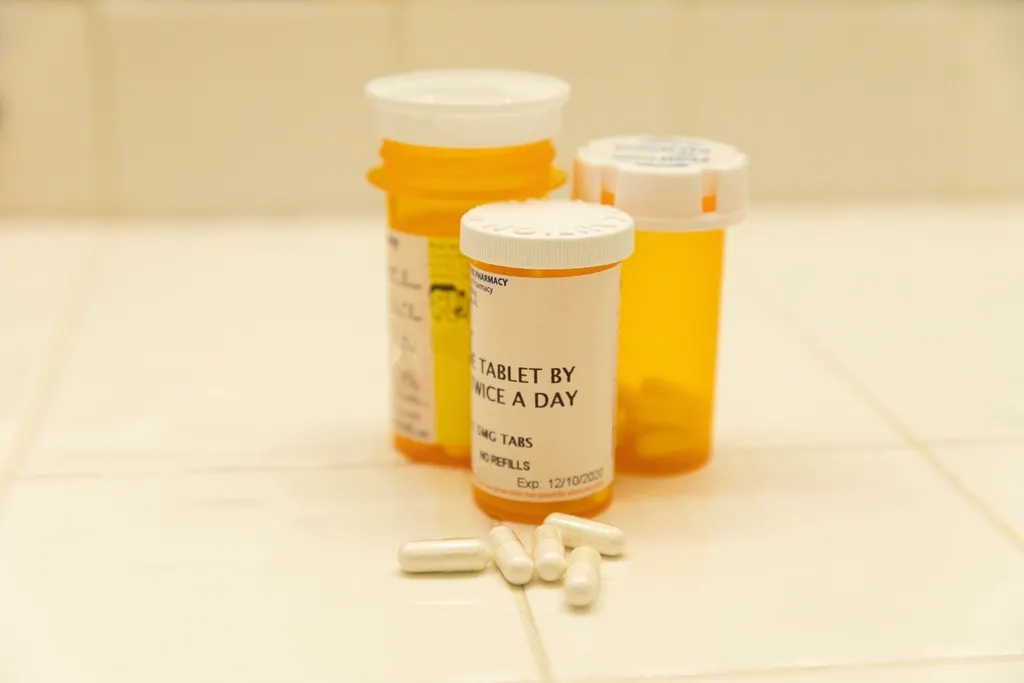
Street Names for Methadone
Illicitly, methadone may be known by several street names:
- Amidone
- Wafer
- Fizzies
- Chocolate Chip Cookies (mixed with heroin or MDMA)
These terms often reflect dangerous patterns of misuse and highlight the need for professional intervention.

What Is a Methadone Clinic?
Methadone clinics are federally regulated treatment centers where individuals with opioid use disorder receive a safe and measured dose of methadone under the guidance of licensed professionals. These clinics help reduce the risk of overdose, support long-term recovery, and offer access to other addiction treatment resources.
Core services provided by methadone clinics include:
- Medication management
- Drug tests for accountability
- Counseling services
- Individualized treatment planning
These clinics aim to safely and effectively treat opioid addiction while reducing the social consequences associated with untreated substance use disorders.
How Common Is Methadone Abuse and Addiction?
According to data from the National Institute on Drug Abuse, methadone misuse affects a significant portion of those enrolled in treatment programs. While methadone can be life-saving, it is also highly addictive and can lead to physical dependence if not properly monitored.
Methadone abuse often begins when patients:
- Take more than their prescribed dose
- Use methadone without a prescription
- Mix methadone with alcohol or other drugs
The institute on drug abuse warns that these behaviors increase the risk of overdose and serious health consequences, particularly in populations already dealing with substance abuse and mental health challenges.
Ready to take the next step?

Not sure what to do?
Tell us what’s going on. We’ll listen, answer questions about detox and next steps, and help you decide a plan that feels safe.
Call Nova recovery admissions 24/7
Discover More About Narcotics
Everything You Need to Know...

Methadone Withdrawal Symptoms
Methadone withdrawal symptoms can be intense and long-lasting due to the drug’s extended half-life. These symptoms are a result of the body adjusting to the absence of the drug and are a key reason why medical detox is highly recommended.
Common symptoms include:
- Chills and sweating
- Nausea and diarrhea
- Insomnia
- Depression and anxiety
- Muscle cramps
- Cravings
Many people experience withdrawal symptoms for several weeks, and without medical assistance, the likelihood of relapse is high.
We accept most major insurance
Most major insurance covers treatment here
We'll check your benefits for free and tell you what you'd actually pay, before you commit to anything.
















Takes about 2 minutes · No obligation · Or call (512) 605-2955
Don't see yours? We work with more plans than we can show here.
VERIFY YOUR INSURANCE | 100% CONFIDENTIAL
Methadone Withdrawal Timeline
The methadone withdrawal timeline varies depending on the dose and length of time a person has used the drug. Generally:
- 24–30 hoursFlu-like symptoms begin
- 1–3 daysSymptoms intensify: nausea, diarrhea, restlessness
- 4–5 daysPhysical symptoms begin to subside
- 1–2 weeksEmotional symptoms and cravings may continue
- Weeks to monthsSome individuals experience Post-Acute Withdrawal Syndrome (PAWS)
Each individual responds differently, but structured support and medical care reduce the risk of complications.
Methadone Detox
Medical detox is the first critical step in treating methadone addiction. It provides a safe, controlled environment for the body to eliminate methadone while minimizing severe withdrawal symptoms. A typical detox protocol includes:
- 24/7 supervision
- A tapering plan
- Medications to ease symptoms
- Supportive counseling
During detox, clinicians also assess the individual’s medical conditions and mental health to prepare for ongoing care.

Rehab for Methadone Addiction
Once detox is complete, transitioning to a structured rehab for methadone addiction ensures continuity of care. These programs provide the tools necessary for long term recovery.
Methadone rehab options include:
- Inpatient Drug RehabOffers full-time, immersive care with round-the-clock monitoring, ideal for individuals with severe addiction or co-occurring disorders.
- Outpatient Drug RehabMore flexible, allowing patients to attend treatment sessions while living at home. This is best suited for those with strong support systems and lower-risk substance use disorders.
Both levels of care emphasize therapy, education, relapse prevention, and aftercare planning.
Freedom Starts Here. Take Back Your Life Today.
Same-Day Admissions in Austin Available.

Aftercare Programs Include:
- Weekly therapy
- Alumni meetups
- Support groups like Narcotics Anonymous
- Job placement and life skills coaching
Both options offer essential resources for people transitioning out of structured treatment facilities.

Risks and Considerations
While methadone can treat opioid use disorder, its use carries inherent risks. Without proper monitoring, individuals may become dependent and face life-threatening situations. Methadone treatment must always be approached with caution, particularly for those with:
- A history of polysubstance abuse
- Medical conditions like heart or liver disease
- Limited access to follow-up care
Choosing treatment centers with experience and resources for both short term and term recovery is essential.

Finding the Right Help
Selecting a treatment center involves considering many factors, including:
- The level of care offered
- Access to medical detox and ongoing support
- Insurance coverage and payment options
- Availability of integrated mental health care
Quality facilities treat opioid addiction and address co-occurring conditions, helping clients reduce the risk of relapse and build a healthier future.

Start Your Recovery Journey
Methadone addiction doesn’t have to control your life. At Nova Recovery Center, we provide a comprehensive continuum of care, from medical detox and inpatient rehab to outpatient support and sober living options. Our treatment planning is personalized, our methods are evidence based, and our staff is committed to your long-term success.
We’re here to help you or your loved one reclaim your life from addiction. Call (512) 605-2955 today to speak with an admissions specialist and learn how we can support your recovery process.
Other Outpatient Drug and Alcohol Rehab Locations
Frequently Asked Questions About Methadone and Opioid Use Disorder (OUD)
What are the risks of methadone?
Methadone carries risks such as dependence, respiratory depression, drowsiness, and potential overdose when misused. While it is effective in managing opioid withdrawal symptoms, long-term use requires careful medical supervision to avoid addiction and health complications.
Is methadone highly addictive?
Yes, methadone is a synthetic opioid with a high potential for addiction if not used as prescribed. Because of its long half-life, methadone can build up in the body and increase the risk of dependency when mismanaged.
Can you live a normal life on methadone?
Many people in medication-assisted treatment (MAT) programs can live stable, productive lives while taking methadone. With proper medical oversight, methadone helps reduce cravings and withdrawal, allowing individuals to focus on recovery and daily responsibilities.
What does long-term methadone use do to your brain?
Long-term methadone use alters brain chemistry by binding to opioid receptors. This can reduce withdrawal symptoms and cravings, but it may also cause tolerance and dependence. Careful monitoring and tapering under medical guidance are essential to minimize risks.
What is a synthetic opioid?
A synthetic opioid is a man-made substance designed to mimic natural opiates like morphine. Methadone, fentanyl, and buprenorphine are examples. These drugs can be highly effective in treatment but also carry significant abuse potential.
What are the four most common signs of opioid abuse?
The most common signs include drowsiness, pinpoint pupils, mood swings, and impaired coordination. Long-term opioid abuse can also lead to withdrawal symptoms, cravings, and health deterioration.
Which of the following is an example of a synthetic opiate?
Methadone is a prime example of a synthetic opiate. Unlike natural opiates derived from the poppy plant, methadone is fully lab-created yet produces similar effects on the brain and body.
What is the most addictive opioid drug?
Fentanyl is considered the most addictive due to its potency, though methadone also carries significant risks. All opioids can lead to addiction, making medical supervision crucial.
What is OUD in drug addiction?
OUD stands for Opioid Use Disorder. It is a medical condition where individuals develop a compulsive need to use opioids despite negative consequences. Methadone is often used in treatment to manage OUD symptoms.
Is opioid use disorder the same as addiction?
Yes, opioid use disorder is the clinical term for opioid addiction, as defined in the DSM-5. It ranges in severity from mild to severe, depending on the number of symptoms present.
What does methadone treatment do?
Methadone activates the brain’s opioid receptors, which blocks the euphoric effects of heroin and other opioids while providing pain relief. It also reduces the severity of withdrawal symptoms, which is what makes recovery safer and more manageable. It is dispensed through federally certified opioid treatment programs.
Keep reading
Talk to someone today
Ready when you are
Admissions are answered 24 hours a day by a person, not a queue. We will check your benefits for free and tell you what treatment would actually cost.
Free and confidential · No obligation