

Drug & Substance Guide
Addiction Prevention: Evidence‑Based Ways Individuals, Families, and Communities Can Reduce Risk
Admissions answered 24 hours a day · Free and confidential
Excellent 4.6 out of 5 434 Google reviews across our locations



What clients say
Trusted by clients across Texas
4.6 from 434 Google reviews across 9 locations
Across Nova Recovery Center, Briarwood Detox Center and Eudaimonia Recovery Homes
★★★★★
“Nova is far from perfect, and some of the information can be misleading. But if you want to cover the 12 Steps while enjoying good food and a beautiful scenic view, this is the place for you. The…”
10 months ago · Wimberley
★★★★★
“I did 90 days at Nova Recovery 6 years ago. I am still sober today. And living a life I could have never imagined. The people and the program they are running impacted me for a lifetime. Better than…”
2 years ago · Wimberley
★★★★★
“I went to Nova almost 9 months ago and I wouldn’t change it for the world. The staff when I first entered were very nice and welcoming. As a 19 year old that didn’t know what I was getting myself…”
2 years ago · Austin
★★★★★
“Nova Recovery Center has been an invaluable part of my journey to sobriety. The intensive inpatient program, coupled with the unwavering support and guidance from my recovery specialist, Mark Rector…”
2 years ago · Austin


★★★★★
“I had such a positive experience at Nova Recovery in Wimberley! The staff genuinely cares and went above and beyond to support me every step of the way. The peaceful setting made it easier to focus…”
a year ago · Wimberley
★★★★★
“I love Nova so freaking much. Nova has saved my life in more ways than one. I was hopeless and had no solution suffering from this disease. The staff there never gave up on me. I was the worst client…”
2 years ago · Austin
★★★★★
“I know Mark rector is non-binary however it saved my life and it did a good job with CPR and I don't know how aside from staying sober I could ever repay it thank you Mr or Mrs or whatever you're…”
8 months ago · Austin
★★★★★
“It's been a few years since I was a patient at Nova Recovery Center. Recently I have been reflecting on my time there and how incredibly grateful I am for the experience I had. I have been to 7 rehab…”
2 years ago · Austin


Exceptional standards, backed by credible organizations
Our affiliations and accreditations
What actually prevents addiction
Prevention works best early, and adolescence is the critical window for strengthening protective factors and reducing risk.
The strategies with evidence behind them are family communication, school programs, and community coalitions that teach coping and refusal skills. Screening tools such as DAST and SBIRT catch problems before they escalate.
Harm reduction saves lives in the meantime: naloxone and fentanyl test strips both reduce overdose risk, and medication-assisted treatment helps prevent relapse.
- When it works best
- Adolescence
- What works
- Family communication, school programs, community coalitions
- Harm reduction tools
- Naloxone and fentanyl test strips
- Screening tools
- DAST and SBIRT
If you are here about a teenager, the window is open and that is the good news. Call and we will talk through it.
What Is Addiction Prevention?
Addiction prevention means using proven strategies to reduce the likelihood that someone will start misusing substances, or progress to a substance use disorder (SUD). It includes personal habits, family and school practices, community policies, and health‑care actions that lower risk factors and strengthen protective factors across a person’s life. In public health language, prevention spans everything from delaying first use and building skills to reducing harms, connecting people to care early, and supporting long‑term recovery. Authoritative bodies such as NIDA, CDC, SAMHSA, and WHO stress that prevention works best when it’s science‑based and consistent.










Why prevention matters now
In recent years, overdose and addiction have impacted nearly every community. Evidence‑based prevention reduces the onset of misuse, lowers overdose risk, and improves community health. CDC emphasizes that early, comprehensive strategies, paired with access to treatment, prevent deaths and improve outcomes.

The language we use reduces stigma
Using person‑first, non‑stigmatizing terms (e.g., “person with a substance use disorder” rather than “addict”) increases the chances that people will seek help and that providers offer evidence‑based care. Changing language is a small step with measurable impact.
How Addiction Starts: Risk and Protective Factors
Prevention starts with understanding why some people are more vulnerable. Risk factors include early exposure to substances, trauma, mental health conditions, unstable housing, social isolation, and easy access to drugs or alcohol. Protective factors include supportive relationships, positive school climate, clear family rules, coping skills, and meaningful community involvement. The most effective prevention plans aim to reduce risks while building protectionsat the same time.

Three Levels of Prevention (Primary, Secondary, Tertiary)
Public health organizes prevention into three levels:
- Primarystop problems before they start (education, norms, policies that reduce access/appeal).
- Secondaryidentify risk early and intervene (screening, brief interventions, referral).
- Tertiaryreduce harms and prevent recurrence (treatment, recovery supports, harm reduction).
A complementary lens in prevention science is Universal, Selective, and Indicated programs:
- Universaldelivered to everyone in a setting (all students/parents).
- Selectivedelivered to groups with elevated risk.
- Indicateddelivered to individuals showing early signs or behaviors.
Screening & Early Intervention
We accept most major insurance
Most major insurance covers treatment here
We'll check your benefits for free and tell you what you'd actually pay, before you commit to anything.
















Takes about 2 minutes · No obligation · Or call (512) 605-2955
Don't see yours? We work with more plans than we can show here.
VERIFY YOUR INSURANCE | 100% CONFIDENTIAL
Opioids: Prevention, Treatment, and Overdose Risk

Understanding opioid use disorder (OUD)
OUD is a medical condition that changes the brain and behavior, leading to loss of control over opioid use despite harm. It’s treatable, and prevention and early treatment save lives.
Medication‑assisted treatment (MAT/MOUD): Suboxone induction, injection, and dosing conversations
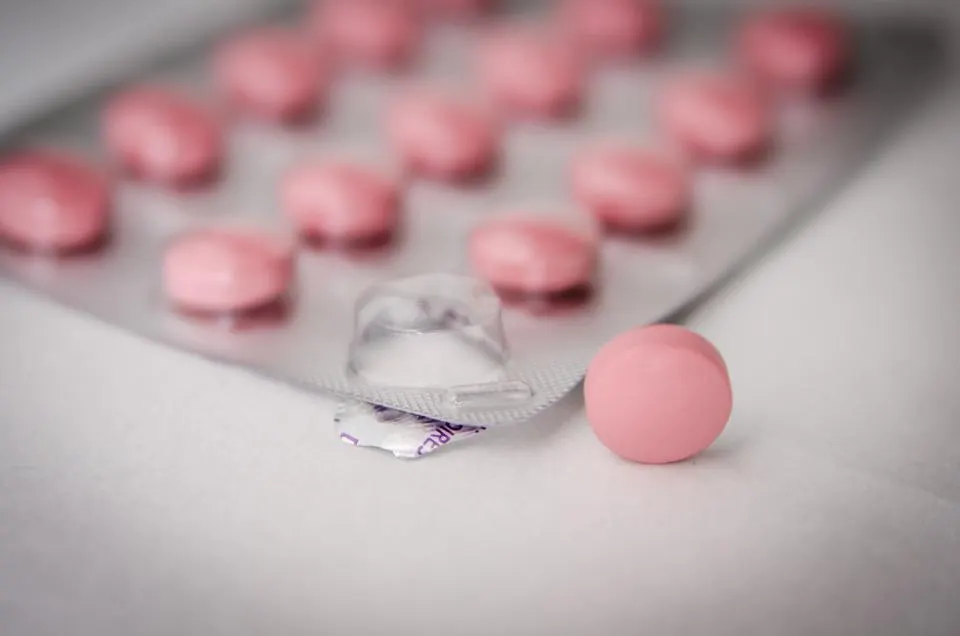
Medications for Opioid Use Disorder (MOUD) (such as buprenorphine (Suboxone®), methadone, and naltrexone) reduce withdrawal and cravings, lower overdose risk, and improve retention in care.
Suboxone induction (starting buprenorphine) should be guided by a clinician; timing and dosing depend on clinical assessment to avoid precipitated withdrawal.
Suboxone injection (extended‑release formulations) and dose of Suboxone decisions are individualized by prescribers.
Methadone dose is clinic‑supervised and adjusted carefully.
Discuss any medication assisted treatment medications (including benefits/risks) with a licensed provider; do notattempt to self‑dose. CDC and SAMHSA emphasize MOUD access as a core prevention and overdose strategy.
Youth & Families
Freedom Starts Here. Take Back Your Life Today.
Same-Day Admissions in Austin Available.

You Can Recover: Let’s Begin
Nova Recovery Center is central to addiction prevention by offering education, resources, and personalized support to individuals and families at every stage of the recovery journey. Through evidence-based programs, clients learn coping skills, relapse prevention strategies, and healthier ways to handle stress and life challenges. The center emphasizes the importance of early intervention, providing substance abuse assessments and access to professional counselors who can identify risks before they escalate.
In addition, Nova Recovery Center supports communities by promoting awareness of harm reduction services, medication-assisted treatment options, and tools like naloxone and fentanyl test strips to reduce overdose risks. Family involvement is also encouraged, helping loved ones strengthen protective factors and establish supportive environments. With a focus on holistic care, Nova Recovery Center addresses the mind, body, and spirit to create a foundation for lasting sobriety. By combining professional guidance with compassionate support, the center helps clients build resilience, make healthier choices, and prevent relapse. This comprehensive approach ensures that prevention is about avoiding initial substance misuse and about sustaining long-term recovery and wellness.
Get help today. Reach out now to start your path to healing.
Frequently Asked Questions About Addiction Prevention Strategies and Programs
What are the best ways to prevent addiction?
Strengthen protective factors (family rules/monitoring, positive school climate), delay first use, teach refusal/coping skills, and create consistent, supportive environments. Pair with policy‑level actions and, for opioids, overdose prevention (naloxone, fentanyl test strips) and access to treatment.
What are the 3 levels of prevention for substance use?
Primary (before problems start), Secondary (early identification and brief intervention), and Tertiary (reduce harm and recurrence through treatment and recovery supports).
What’s the difference between universal, selective, and indicated prevention?
Universal targets everyone in a setting; selective targets groups with higher risk; indicated helps individuals showing early warning signs.
Why is adolescence so important for prevention?
Brains are still developing; early use raises later addiction risk. Transitions (middle/high school, moving out) increase vulnerability, an ideal time to act.
Do harm reduction strategies really prevent deaths?
Yes. Wider naloxone access and safer‑use education reduce fatal overdoses; fentanyl test strips help people detect hidden fentanyl and adjust behaviors.
What role do parents and caregivers play?
A major one. Clear expectations, monitoring, bonding, and frequent, calm conversations reduce risk. Use SAMHSA campaigns (Talk. They Hear You.) for scripts and tools.
How do schools and communities prevent substance misuse?
Implement evidence‑based curricula, train staff, correct norms misperceptions, enforce policies consistently, and coordinate across coalitions using proven programs.
What is SBIRT, and when is screening helpful?
SBIRT uses validated tools (e.g., DAST) to catch risk early, deliver brief counseling, and refer to care. It’s not a diagnosis but improves outcomes.
Is medication‑assisted treatment part of prevention?
Yes. By stabilizing people with OUD, MOUD lowers overdose risk and supports recovery, reducing future harms.
Discover Our Drug Glossary
Everything You Need to Know...
Other Outpatient Drug and Alcohol Rehab Locations
- IOP in Austin
- IOP in San Antonio
- IOP in Colorado Springs
Talk to someone today
Ready when you are
Admissions are answered 24 hours a day by a person, not a queue. We will check your benefits for free and tell you what treatment would actually cost.
Free and confidential · No obligation