

Nova Recovery Center
The Importance of Trauma-Informed Practices in Recovery
Admissions answered 24 hours a day · Free and confidential
Excellent 4.6 out of 5 434 Google reviews across our locations



What clients say
Trusted by clients across Texas
4.6 from 434 Google reviews across 9 locations
Across Nova Recovery Center, Briarwood Detox Center and Eudaimonia Recovery Homes
★★★★★
“Nova is far from perfect, and some of the information can be misleading. But if you want to cover the 12 Steps while enjoying good food and a beautiful scenic view, this is the place for you. The…”
10 months ago · Wimberley
★★★★★
“I did 90 days at Nova Recovery 6 years ago. I am still sober today. And living a life I could have never imagined. The people and the program they are running impacted me for a lifetime. Better than…”
2 years ago · Wimberley
★★★★★
“I went to Nova almost 9 months ago and I wouldn’t change it for the world. The staff when I first entered were very nice and welcoming. As a 19 year old that didn’t know what I was getting myself…”
2 years ago · Austin
★★★★★
“Nova Recovery Center has been an invaluable part of my journey to sobriety. The intensive inpatient program, coupled with the unwavering support and guidance from my recovery specialist, Mark Rector…”
2 years ago · Austin


★★★★★
“I had such a positive experience at Nova Recovery in Wimberley! The staff genuinely cares and went above and beyond to support me every step of the way. The peaceful setting made it easier to focus…”
a year ago · Wimberley
★★★★★
“I love Nova so freaking much. Nova has saved my life in more ways than one. I was hopeless and had no solution suffering from this disease. The staff there never gave up on me. I was the worst client…”
2 years ago · Austin
★★★★★
“I know Mark rector is non-binary however it saved my life and it did a good job with CPR and I don't know how aside from staying sober I could ever repay it thank you Mr or Mrs or whatever you're…”
8 months ago · Austin
★★★★★
“It's been a few years since I was a patient at Nova Recovery Center. Recently I have been reflecting on my time there and how incredibly grateful I am for the experience I had. I have been to 7 rehab…”
2 years ago · Austin


Trauma-informed care matters in addiction treatment because most people with a substance use disorder have been through something painful, and that experience is often what the using and the relapsing are attached to. SAMHSA defines the approach by four commitments: realizing the impact of trauma and the paths to recovery from it, recognizing its signs in everyone involved in treatment, responding by building that knowledge into policy and practice, and actively resisting re-traumatization. This page sets out what each of those means in a treatment setting.
The Substance Abuse and Mental Health Services Administration (SAMHSA) explains a trauma-informed approach to addiction treatment. This approach defines itself as one that:
- Realizes the severe impact of trauma and understands the potential paths for recovery
- Recognizes the signs and symptoms of trauma in all those involved in the treatment system
- Responds appropriately by fully integrating knowledge about trauma into policies, procedures, and practices
- Actively seeks to resist re-traumatization








The Importance of Trauma-Informed Practices
Most people with substance abuse disorders and addiction have faced painful experiences. These experiences often lead to their use and relapse. No matter if the trauma was one event or many, recent or long ago, the impact is still severe.
Nova uses trauma-informed practices. It creates a culture that understands trauma and its link to addiction.
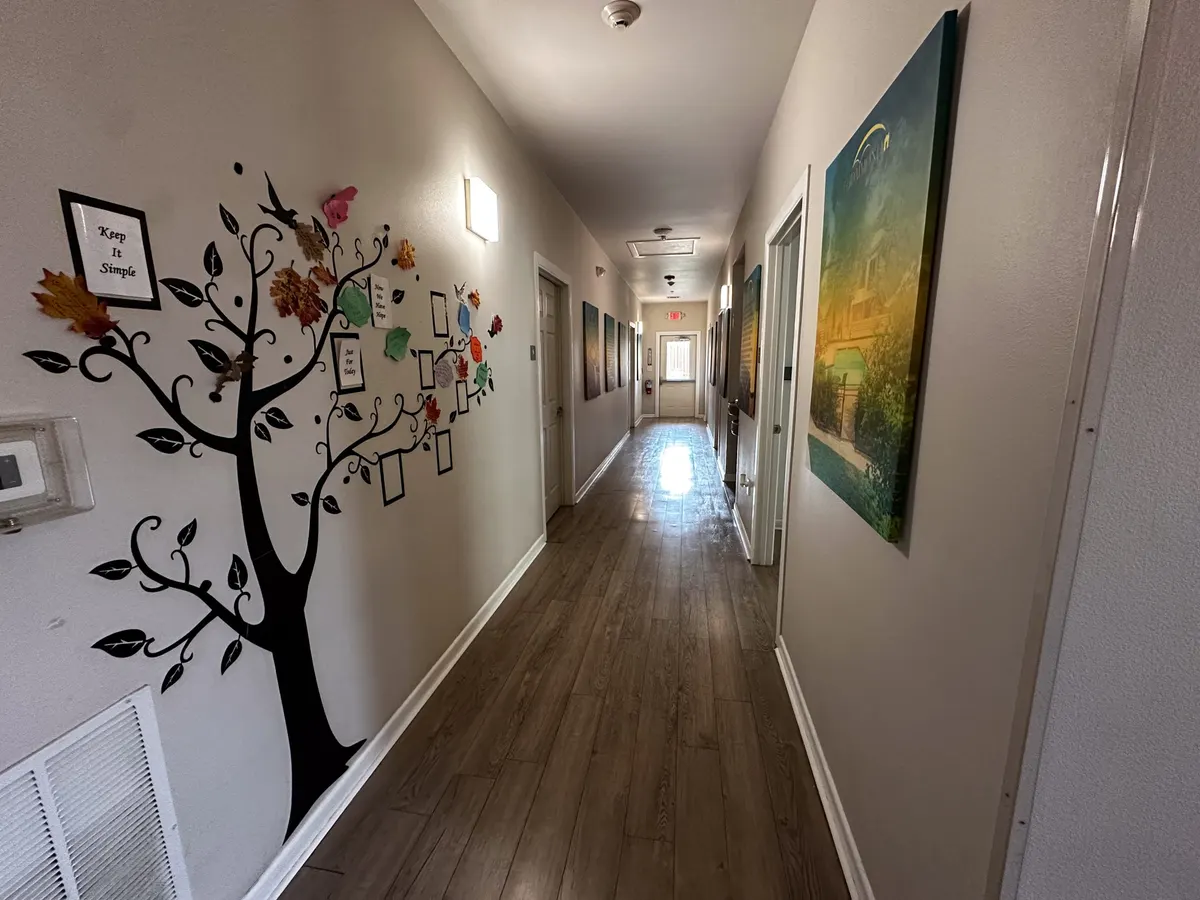
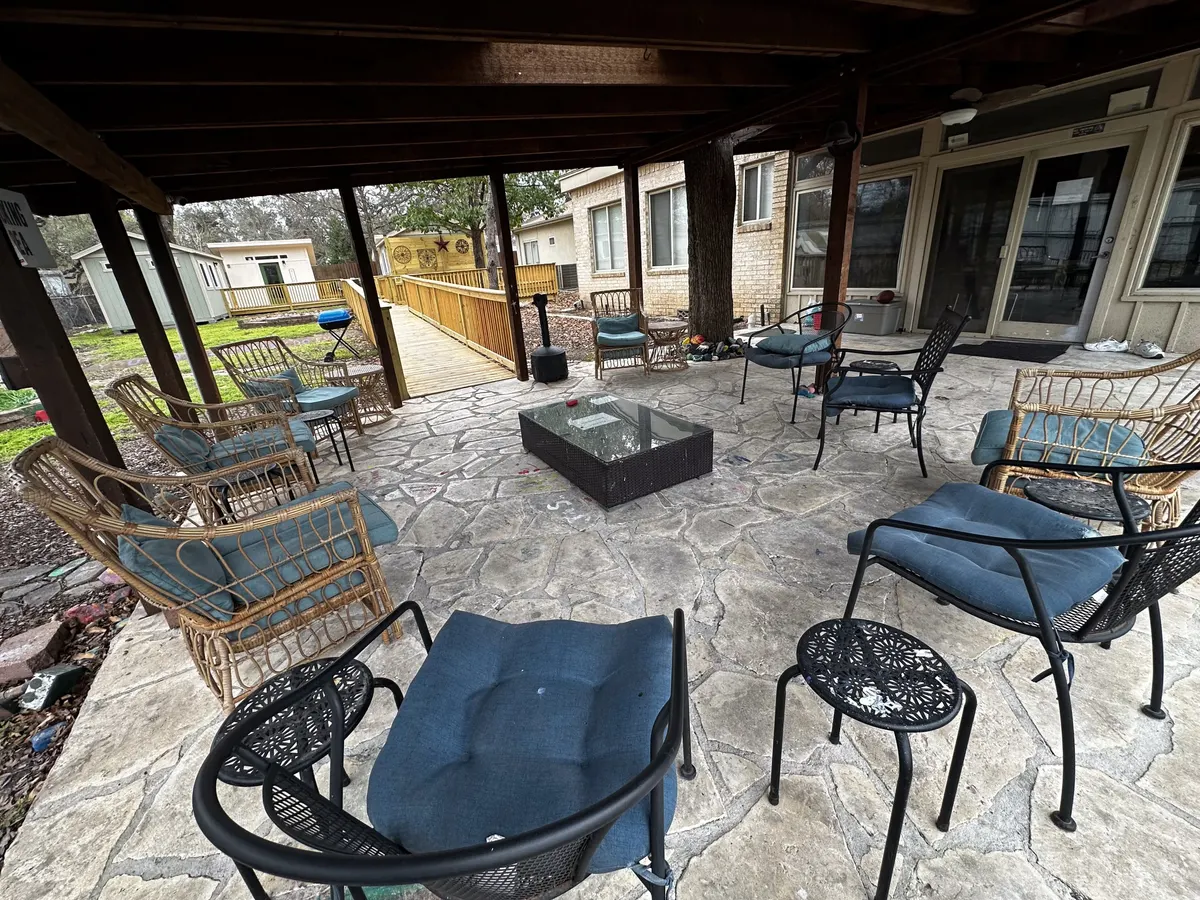
This approach meets the needs of people affected by trauma. This understanding helps us create a space and rehab program that improves recovery. It gives clients a place where they feel safe, understood, and heard.
Free, confidential, and there is no obligation. Most major insurance accepted.

Trauma-informed care matters in addiction treatment because most people with a substance use disorder have been through something painful, and that experience is often what the using and the relapsing are attached to. SAMHSA defines the approach by four commitments: realizing the impact of trauma and the paths to recovery from it, recognizing its signs in everyone involved in treatment, responding by building that knowledge into policy and practice, and actively resisting re-traumatization. This page sets out what each of those means in a treatment setting.
Trauma-Informed Care at Nova
The Nova staff strives to provide the best therapeutic experience possible to clients who have a history of trauma. From the first day of a client’s treatment to the end, our skilled counselors provide care with a trauma-informed approach. This helps us find signs of survivors from traumatic events. It also lets clients discuss their issues without fear of shame or lack of knowledge from our staff.
Our skilled treatment team works together to combine our 12-step program with clinical methods. One method we use is Eye Movement Desensitization and Reprocessing (EMDR). This helps us deal with complex trauma in a deeper way.
This mix of treatment methods helps us see symptoms clearly. It also shows how trauma affects daily life. We help clients understand the relationship issues that need fixing.
At Nova, we focus on creating a supportive environment in our rehab center for our clients. The core of our drug and alcohol rehab treatment team culture and philosophy is:
- Physical and emotional safety
- Trust and healthy boundaries
- Having a voice and validating feelings
- Partnership and promoting choice
We know how traumatic experiences can affect clients’ relationships, views of the world, and self-image. We also see the coping styles they use to handle these effects. With trauma-informed practices, we help clients deal with deep trauma. We learn where it came from, how to work through it, and how to move forward in recovery.

Trauma-informed care matters in addiction treatment because most people with a substance use disorder have been through something painful, and that experience is often what the using and the relapsing are attached to. SAMHSA defines the approach by four commitments: realizing the impact of trauma and the paths to recovery from it, recognizing its signs in everyone involved in treatment, responding by building that knowledge into policy and practice, and actively resisting re-traumatization. This page sets out what each of those means in a treatment setting.
DETOX & REHAB LOCATIONS
All facilities have licensed professionals. Each one offers private rooms, holistic services, and long-term treatment options.
- AUSTIN
- SAN ANTONIO
- HOUSTON
- Colorado Springs
Ready to take the next step?
We accept most major insurance
Most major insurance covers treatment here
We'll check your benefits for free and tell you what you'd actually pay, before you commit to anything.
















Takes about 2 minutes · No obligation · Or call (512) 605-2955
Don't see yours? We work with more plans than we can show here.

Trauma-informed care matters in addiction treatment because most people with a substance use disorder have been through something painful, and that experience is often what the using and the relapsing are attached to. SAMHSA defines the approach by four commitments: realizing the impact of trauma and the paths to recovery from it, recognizing its signs in everyone involved in treatment, responding by building that knowledge into policy and practice, and actively resisting re-traumatization. This page sets out what each of those means in a treatment setting.
Examples of Trauma-Informed Care In Our Treatment Programming
At our rehab center, we created our addiction treatment program using trauma-informed practices. We focus on specific parts of our program, like the Core Emotional Addiction (CEA) Model.
This model helps us understand how shame affects each client. It looks at how shame impacts their ability to cope, maintain relationships, and stay sober. We also include The Daring Way™ in our Family Program. This is in addition to therapy on family issues, family dynamics, and fixing damaged relationships.
Nova Recovery Center dedicates itself to helping you or your loved one get help. Please call or fill out this form for a confidential consultation. One of our understanding, dedicated advisors will contact you about your options.
Frequently Asked Questions (FAQ)
What is trauma‑informed addiction treatment?
Trauma‑informed addiction treatment acknowledges that many individuals with substance use disorders have experienced past trauma. It integrates understanding of trauma into addiction care: recognizing trauma’s impact, responding with tailored approaches, and avoiding re‑traumatization within treatment settings.
How does trauma‑informed care differ from traditional treatment?
Unlike traditional models that may focus solely on addiction behaviors, trauma‑informed care emphasizes safety, trust, empowerment, and collaboration. It centers trauma history, engages individuals in decision‑making, and purposely avoids triggering trauma reactions during care.
Why is trauma‑informed care important in addiction recovery?
Because trauma often underlies substance use and relapse, trauma‑informed care addresses root causes rather than just symptoms. It fosters better engagement, lower relapse rates, holistic healing, stronger therapeutic relationships, and enhanced long-term recovery outcomes.
Who can benefit from trauma‑informed addiction treatment?
Anyone with a history of trauma, whether or not they have a PTSD diagnosis, can benefit. These approaches support individuals dealing with abuse, neglect, loss, accidents, or emotional distress that contribute to substance use behaviors.
Can trauma‑informed care be delivered in outpatient settings?
Yes. Providers can effectively integrate trauma-informed frameworks into outpatient programs, intensive outpatient programs (IOPs), partial hospitalization (PHP), and traditional residential settings. Flexibility allows personalization of care according to individual needs.
Talk to someone today
Ready when you are
Admissions are answered 24 hours a day by a person, not a queue. We will check your benefits for free and tell you what treatment would actually cost.
Free and confidential · No obligation