

Specialized therapies
Specialized Therapies and Supportive Treatment Groups
Admissions answered 24 hours a day · Free and confidential
Excellent 4.6 out of 5 434 Google reviews across our locations



What clients say
Trusted by clients across Texas
4.6 from 434 Google reviews across 9 locations
Across Nova Recovery Center, Briarwood Detox Center and Eudaimonia Recovery Homes
★★★★★
“Nova is far from perfect, and some of the information can be misleading. But if you want to cover the 12 Steps while enjoying good food and a beautiful scenic view, this is the place for you. The…”
10 months ago · Wimberley
★★★★★
“I did 90 days at Nova Recovery 6 years ago. I am still sober today. And living a life I could have never imagined. The people and the program they are running impacted me for a lifetime. Better than…”
2 years ago · Wimberley
★★★★★
“I went to Nova almost 9 months ago and I wouldn’t change it for the world. The staff when I first entered were very nice and welcoming. As a 19 year old that didn’t know what I was getting myself…”
2 years ago · Austin
★★★★★
“Nova Recovery Center has been an invaluable part of my journey to sobriety. The intensive inpatient program, coupled with the unwavering support and guidance from my recovery specialist, Mark Rector…”
2 years ago · Austin


★★★★★
“I had such a positive experience at Nova Recovery in Wimberley! The staff genuinely cares and went above and beyond to support me every step of the way. The peaceful setting made it easier to focus…”
a year ago · Wimberley
★★★★★
“I love Nova so freaking much. Nova has saved my life in more ways than one. I was hopeless and had no solution suffering from this disease. The staff there never gave up on me. I was the worst client…”
2 years ago · Austin
★★★★★
“I know Mark rector is non-binary however it saved my life and it did a good job with CPR and I don't know how aside from staying sober I could ever repay it thank you Mr or Mrs or whatever you're…”
8 months ago · Austin
★★★★★
“It's been a few years since I was a patient at Nova Recovery Center. Recently I have been reflecting on my time there and how incredibly grateful I am for the experience I had. I have been to 7 rehab…”
2 years ago · Austin


Eight therapies, chosen per person
Nova uses eight specialized therapies alongside its treatment programs — psychodrama, rational emotive behavioral therapy, family behavior therapy, cognitive behavioral therapy, creative arts, music, 12-step facilitation and contingency management — chosen for the person rather than applied as a fixed set.
Our treatment teams build each client’s plan together, which is what makes the mix different from one person to the next. The therapies are part of the program, not extras bolted onto it.
What follows is each one, what it involves, and why it is used.
- Therapies offered
- Eight
- Behavioral therapies
- REBT, family, CBT
- Psychodrama method
- Family Sculpting
- Used in
- Every level of care
Which therapies you take part in is set during the assessment, not before it.
Psychodrama, and what we treat
The page opens on psychodrama because it is the therapy families meet first, and then lists the substances the program treats. Both are here, in the order the page gives them.
-
Psychodrama
Experiential therapy used to show family members what codependency, boundaries and family dynamics actually look like. We mainly use a form called Family Sculpting, where clients use visual demonstrations and hula hoops to see their relationships from a new angle and talk through family challenges in a safe space.
-
Alcohol
Withdrawal can be life-threatening without medical care. We monitor vital signs and use medications when needed to reduce symptoms and complications.
-
Opiates and opioids
From prescription painkillers to illicit opioids like fentanyl, our detox programs help manage physical dependence and intense cravings.
-
Benzodiazepines
Stopping medications like Xanax, Valium and Ativan slowly, with a doctor’s help, is important. Stopping suddenly can lead to seizures and more anxiety.
-
Cocaine
While not physically addictive in the same way as opioids, cocaine detox requires emotional and psychological stabilization.
-
Heroin
Our team provides 24/7 support during heroin withdrawal, using medications and therapy to reduce discomfort and promote stability.
-
Methamphetamine
Meth detox can cause extreme fatigue, depression and anxiety. We help ease these symptoms in a structured, supportive setting.
-
Prescription drugs
We assist individuals taking medications such as Adderall, Ambien or painkillers, concentrating on physical symptoms and psychological well-being.
-
Synthetic drugs
Detox from synthetic cannabinoids, bath salts or designer stimulants is managed with careful observation and individualized treatment plans.
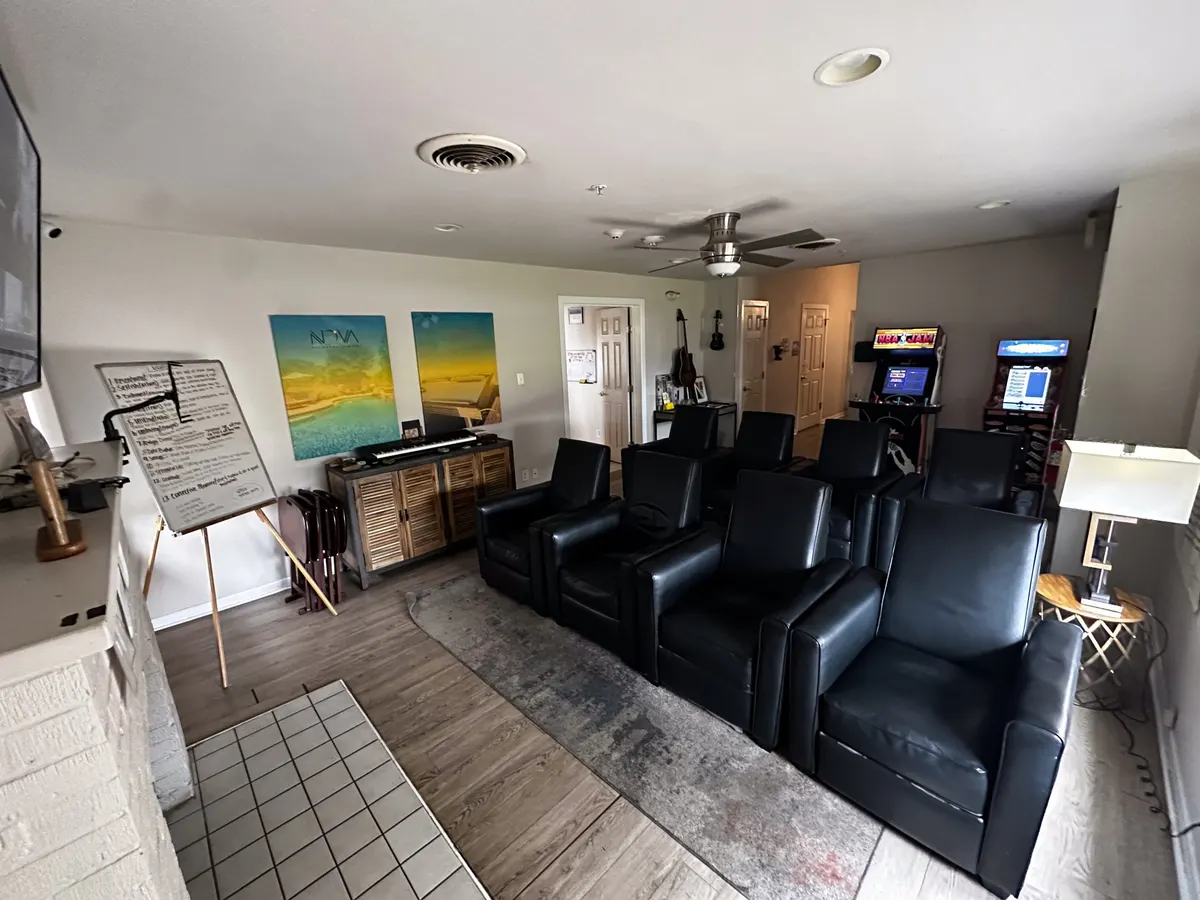
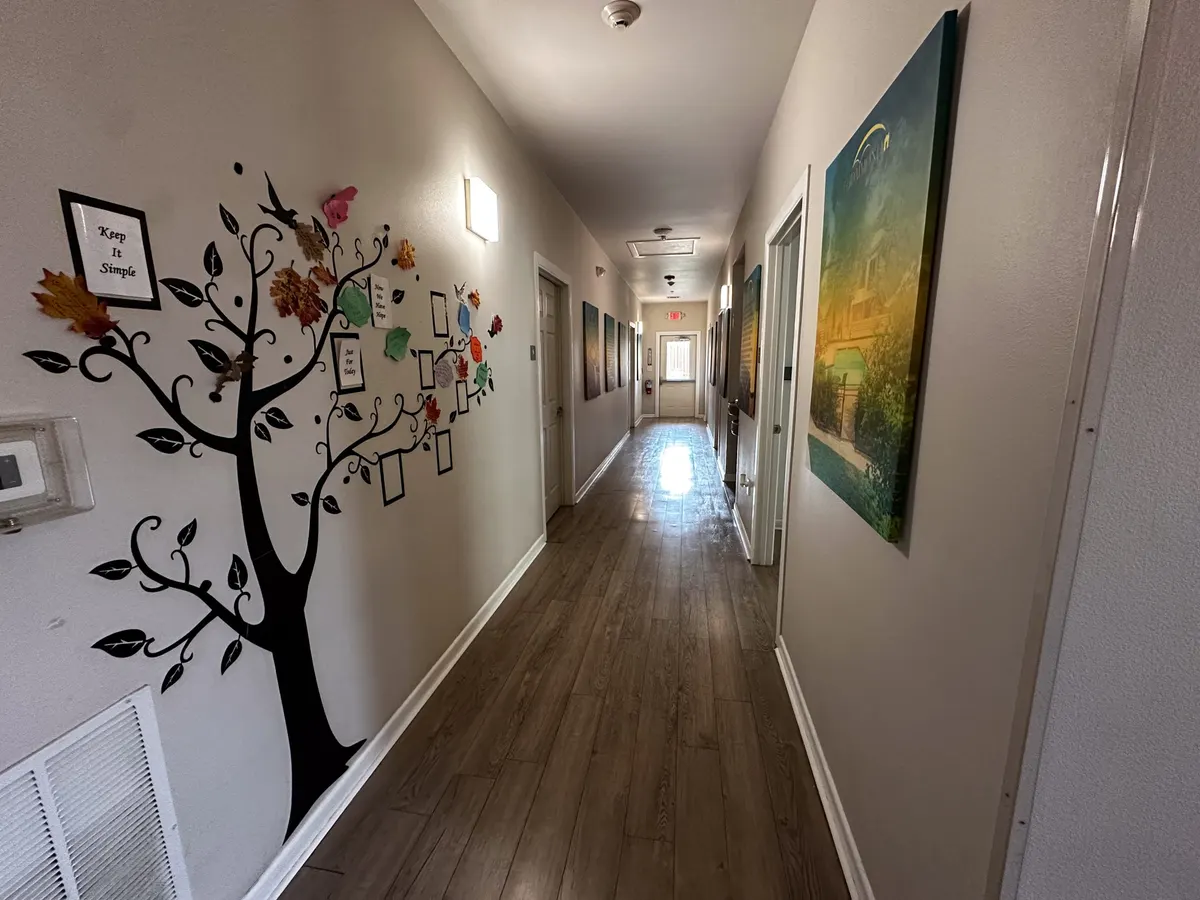
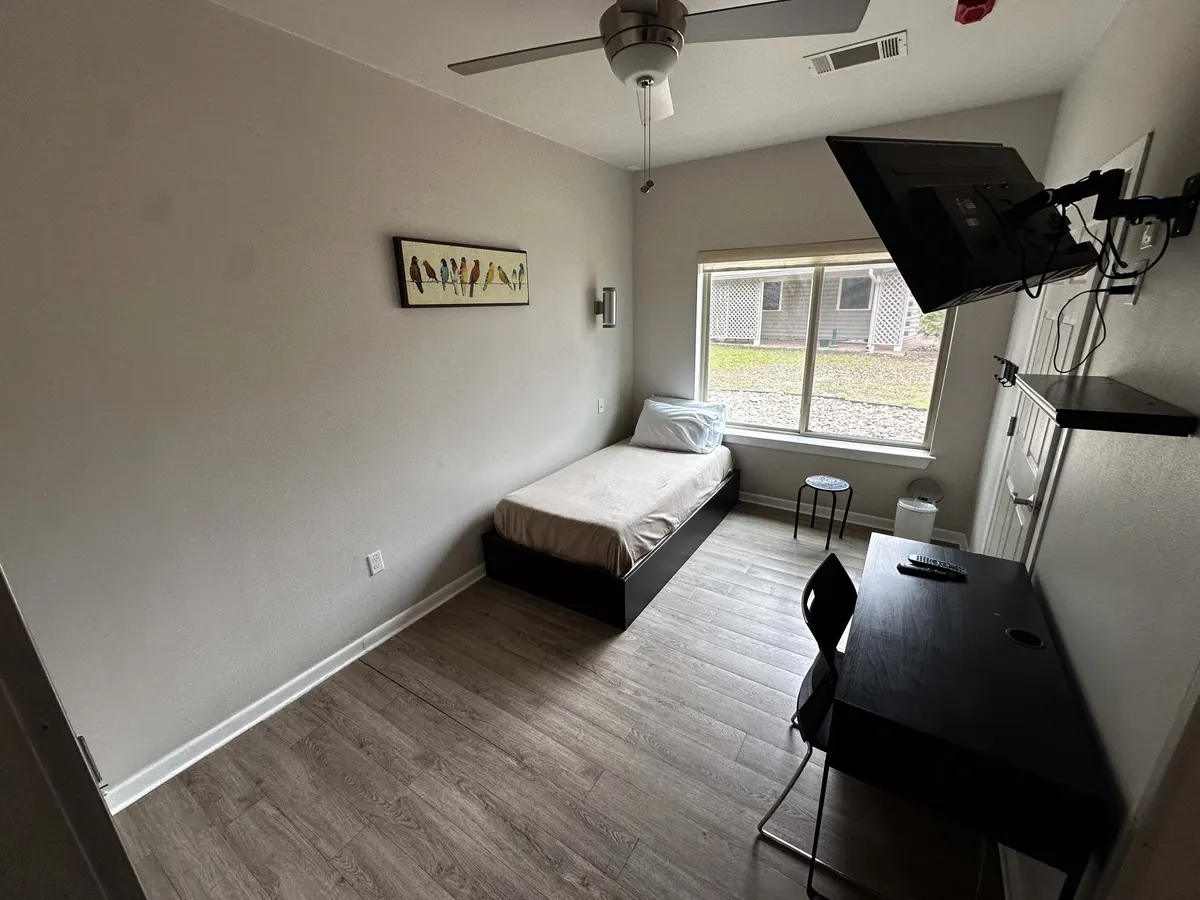
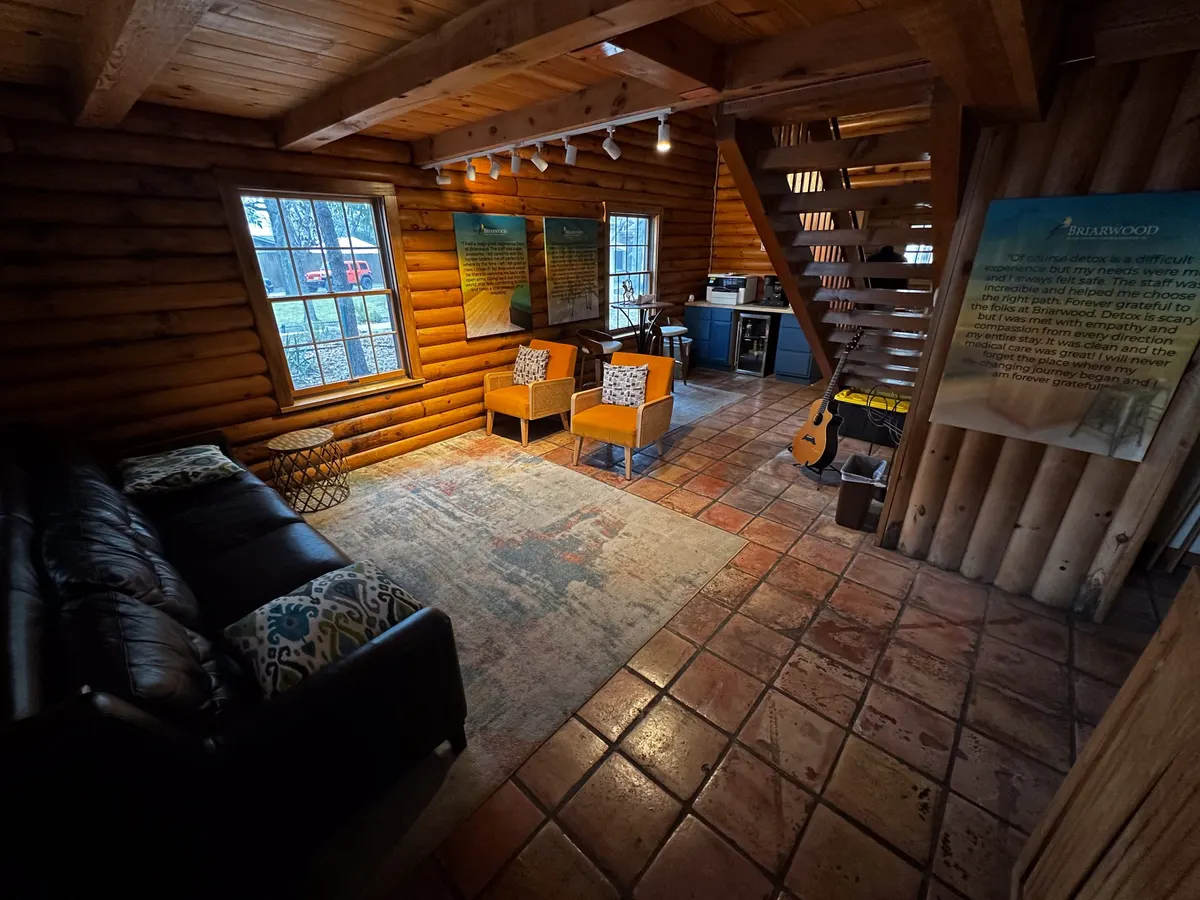
Psychodrama involves your family. Most of these do not.
Ask on the call which of them would actually apply to you.
The behavioral therapies
Three evidence-based behavioral therapies support long-term recovery here. They help clients understand how thoughts and behaviors drive addiction, and what to do about both.
-
Rational emotive behavioral therapy
REBT works on the emotional and behavioral problems underneath the using. A clinical counselor leads the group, participants bring examples from their own lives, and the counselor guides an open discussion of how the process works for each person.
-
Family behavior therapy
Where a client wants their family involved, this is the skill-based work that does it: communicating better, setting standards for how people treat each other, building a healthy home, and improving personal wellness while someone is in rehab.
-
Cognitive behavioral therapy
CBT runs through every part of treatment here. It changes thought and behavior patterns so clients feel better and can look deeper into the addiction, its root causes, and the beliefs holding it up. Dialectical behavior therapy and other evidence-based methods are used alongside it.
CBT is in everything we do here.
The others depend on what the assessment finds, and on whether your family is part of it.
DETOX & REHAB LOCATIONS
All facilities have licensed professionals. Each one offers private rooms, holistic services, and long-term treatment options.
- AUSTIN
- SAN ANTONIO
- HOUSTON
- Colorado Springs
Ready to take the next step?
We accept most major insurance
Most major insurance covers treatment here
We'll check your benefits for free and tell you what you'd actually pay, before you commit to anything.
















Takes about 2 minutes · No obligation · Or call (512) 605-2955
Don't see yours? We work with more plans than we can show here.
VERIFY YOUR INSURANCE | 100% CONFIDENTIAL
Creative arts, music, and where treatment continues
Two of the therapies are experiential rather than clinical, and the page puts them either side of the three programs a client moves between. That order is kept.
-
Creative arts therapy
Run by our art therapist in a group. Clients work on creative projects and homework meant to be both enjoyable and useful, learn coping skills through touch, practice expressing themselves without words, and then discuss what came out of it.
-
Residential rehab
A 90-day inpatient program of structured, evidence-based treatment in a supportive environment. More on residential rehab.
-
Outpatient rehab
Flexible outpatient programs with therapy, peer support and continued medical oversight, to hold the progress after detox. More on intensive outpatient.
-
Sober living
Safe, supportive housing with accountability, peer connection and access to ongoing recovery services. More on sober living.
-
Music group
Music creates feelings, memories and cravings. The group listens to different kinds of it and talks about what each one does, so that those feelings can be handled rather than acted on.
Freedom Starts Here. Take Back Your Life Today.
Same-Day Admissions in Austin Available.
Two more, running underneath everything
These two are not scheduled sessions so much as the way the place runs. Clients meet both of them every day they are here.
-
12-step facilitation
Clients are actively involved in 12-step groups throughout the whole program. Recovery specialists facilitate awareness groups and detailed Big Book study rather than leaving the steps to be worked alone.
-
Contingency management
A behavioral therapy that is part of the culture here rather than a session on a timetable. Treatment teams focus on the goals of therapy, reward the behaviors that serve them and address the ones that do not.
Eight therapies is the menu, not the prescription.
The assessment decides which of them you actually do.
Nova Recovery Center dedicates itself to helping you or your loved one get help. Please call or fill out this form for a confidential consultation. One of our understanding, dedicated advisors will contact you about your options.
Ready to take the next step?
Frequently Asked Questions (FAQ)
What is psychodrama and how does it work?
Psychodrama is a type of therapy. In this therapy, clients act out personal situations in guided group settings. This helps them gain new perspectives and emotional insight. Sessions typically include warm‑up, action, and sharing phases, featuring techniques like role reversal, mirroring, and doubling. At Nova, we use a method called Family Sculpting. This form of psychodrama helps clients look at family dynamics, boundaries, and codependency. A safe, visual, and interactive way to explore these issues exists.
Can psychodrama help with substance use disorders?
Yes. Psychodrama can support individuals with substance use disorders by allowing clients to externalize and reenact experiences or emotional conflicts. This experiential approach promotes insight, emotional release, and rehearsal of healthier responses in a therapeutic group context.
What is Rational Emotive Behavioral Therapy (REBT)?
REBT is a form of cognitive behavioral therapy originally developed by Albert Ellis. It helps clients find and question irrational beliefs. They can then replace these beliefs with healthier, more rational thoughts. This change reduces emotional distress and self-defeating behavior.
How does REBT help someone in recovery from addiction?
REBT teaches clients how their internal thoughts, and not external events, shape their feelings and actions. Clients can challenge harmful beliefs. They can also adopt healthier ones. This helps lessen emotional triggers. It can reduce self-defeating behaviors related to addiction. Therapists often offer it in group or family treatment settings under clinical direction.
What is contingency management in addiction treatment?
Contingency management (CM) is a type of therapy. It uses rewards like vouchers, prizes, or privileges. These rewards encourage positive behaviors. Examples include staying sober, attending treatment, and following medication plans.
Other therapies we offer
Talk to someone today
Ready when you are
Admissions are answered 24 hours a day by a person, not a queue. We will check your benefits for free and tell you what treatment would actually cost.
Free and confidential · No obligation