
Nova Recovery Center
How Our Family Program Supports Long-Term Addiction Recovery
Admissions answered 24 hours a day · Free and confidential
Excellent 4.6 out of 5 434 Google reviews across our locations



What clients say
Trusted by clients across Texas
4.6 from 434 Google reviews across 9 locations
Across Nova Recovery Center, Briarwood Detox Center and Eudaimonia Recovery Homes
★★★★★
“Nova is far from perfect, and some of the information can be misleading. But if you want to cover the 12 Steps while enjoying good food and a beautiful scenic view, this is the place for you. The…”
10 months ago · Wimberley
★★★★★
“I did 90 days at Nova Recovery 6 years ago. I am still sober today. And living a life I could have never imagined. The people and the program they are running impacted me for a lifetime. Better than…”
2 years ago · Wimberley
★★★★★
“I went to Nova almost 9 months ago and I wouldn’t change it for the world. The staff when I first entered were very nice and welcoming. As a 19 year old that didn’t know what I was getting myself…”
2 years ago · Austin
★★★★★
“Nova Recovery Center has been an invaluable part of my journey to sobriety. The intensive inpatient program, coupled with the unwavering support and guidance from my recovery specialist, Mark Rector…”
2 years ago · Austin


★★★★★
“I had such a positive experience at Nova Recovery in Wimberley! The staff genuinely cares and went above and beyond to support me every step of the way. The peaceful setting made it easier to focus…”
a year ago · Wimberley
★★★★★
“I love Nova so freaking much. Nova has saved my life in more ways than one. I was hopeless and had no solution suffering from this disease. The staff there never gave up on me. I was the worst client…”
2 years ago · Austin
★★★★★
“I know Mark rector is non-binary however it saved my life and it did a good job with CPR and I don't know how aside from staying sober I could ever repay it thank you Mr or Mrs or whatever you're…”
8 months ago · Austin
★★★★★
“It's been a few years since I was a patient at Nova Recovery Center. Recently I have been reflecting on my time there and how incredibly grateful I am for the experience I had. I have been to 7 rehab…”
2 years ago · Austin


You can start healing before they finish treatment
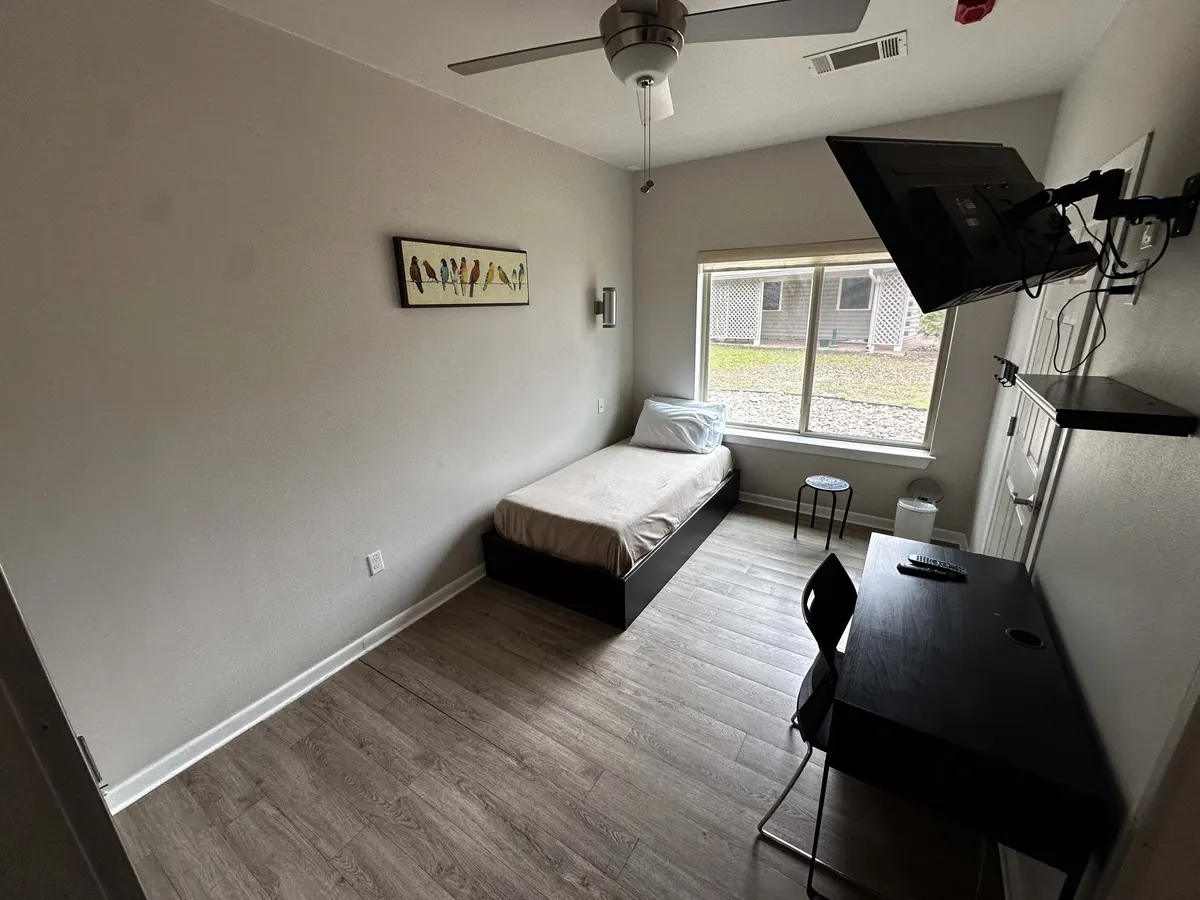
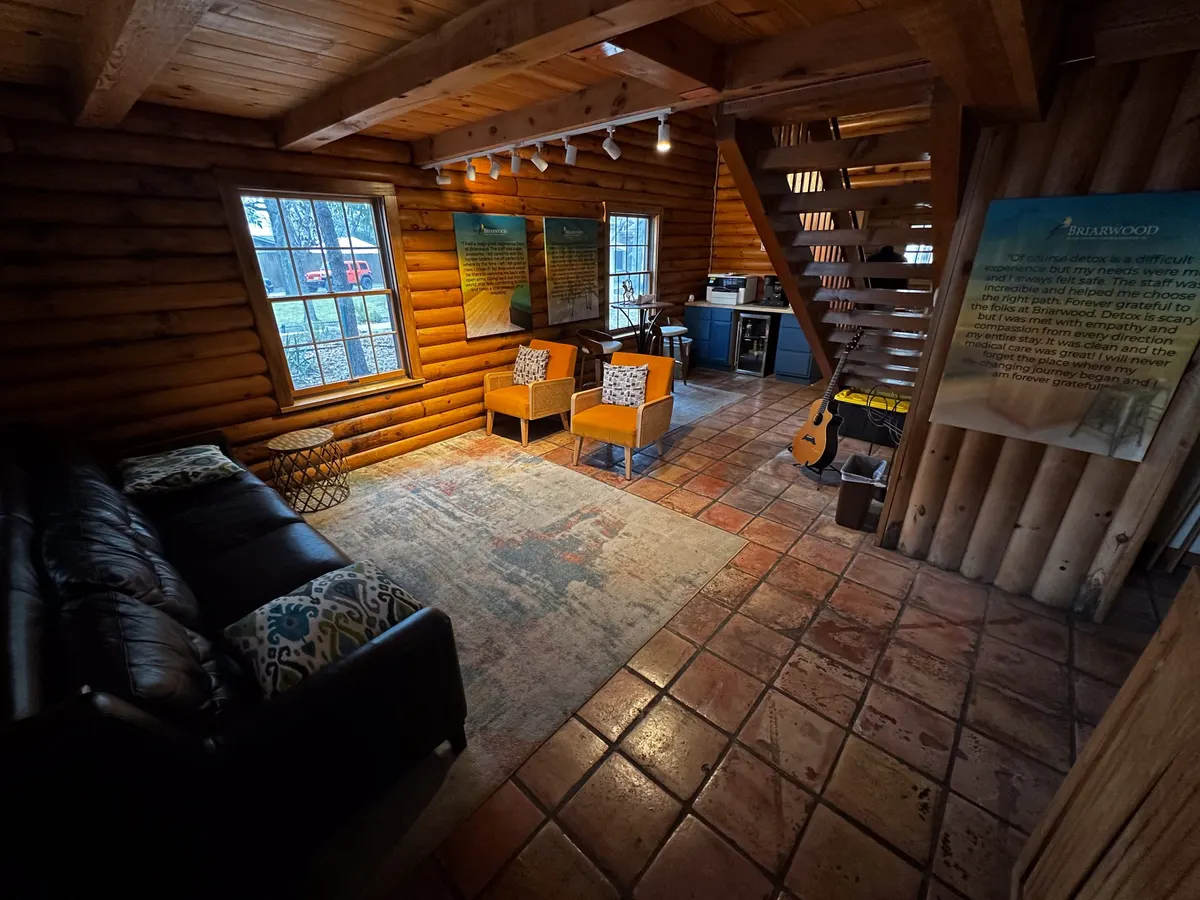
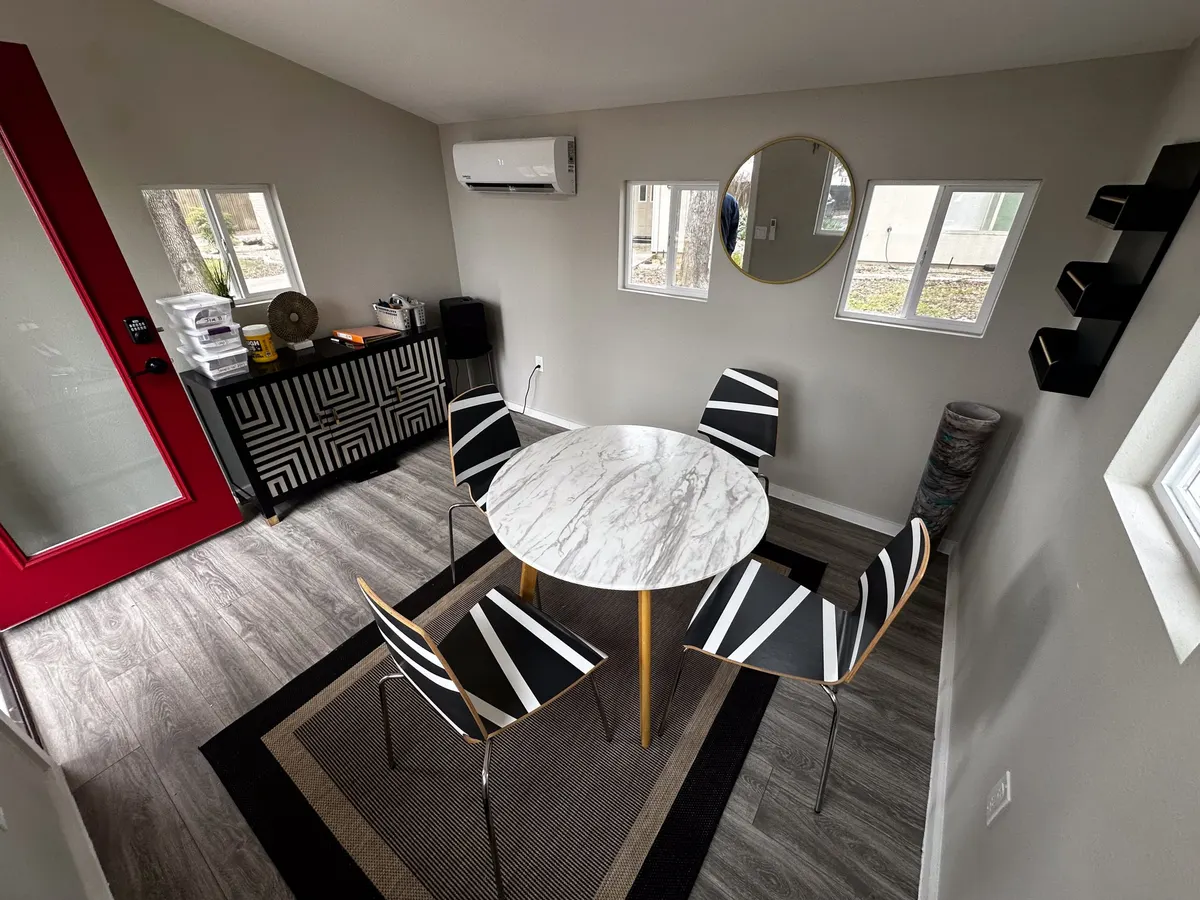
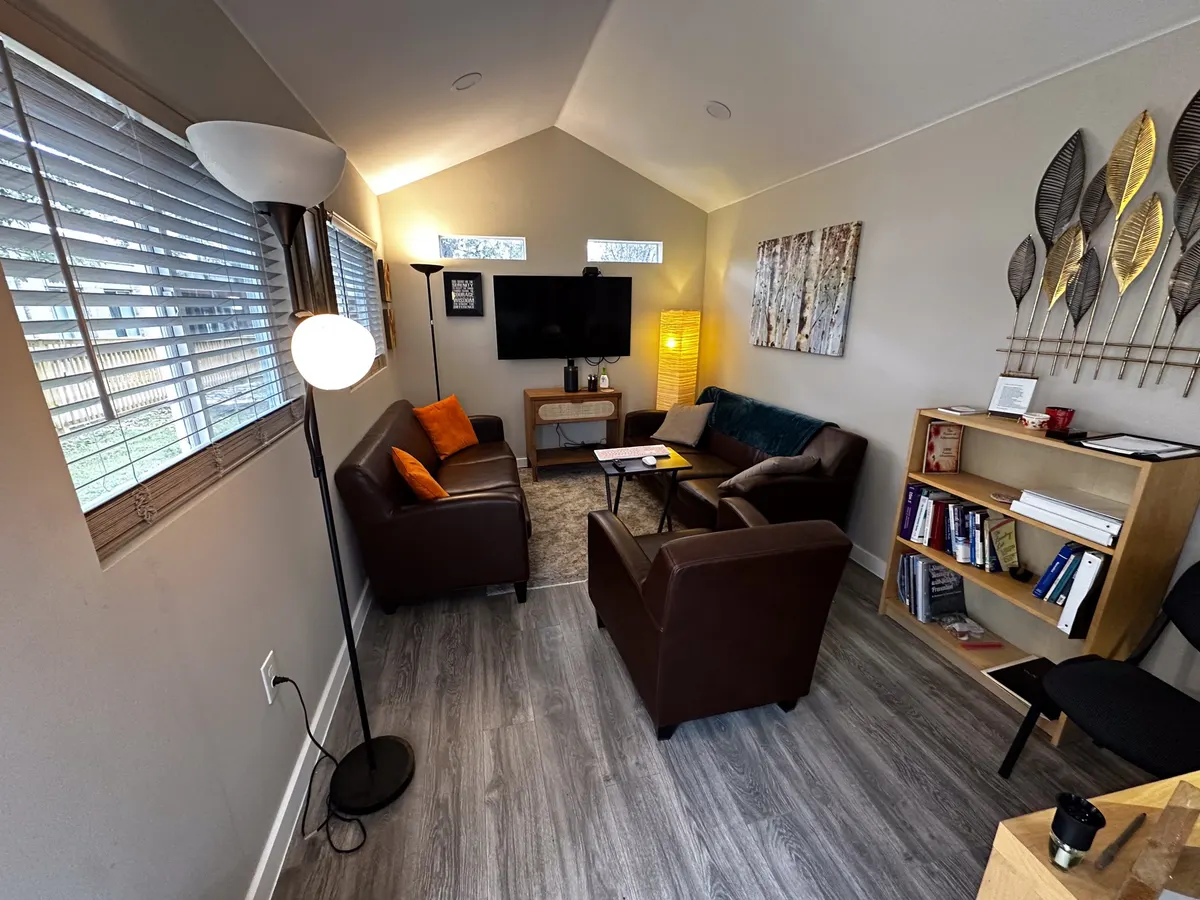
Nova’s Intensive Family Program is a three-day program for the whole family, led by counselors and recovery specialists, held away from the main campus while your loved one completes drug and alcohol rehab.
Addiction takes a toll on the entire family: pain, sadness, isolation, and relationships that are hard to hold on to. We know what you are going through, and you do not have to wait for the person in treatment to be done before anything starts changing for you.
The program recognizes every family member and gives each of them room to say what they think. That is the whole design, rather than a session you sit in on.
- Length
- Three days
- Who comes
- The whole family
- Who leads it
- Counselors and recovery specialists
- Where
- Private, off the main campus
Call to ask when the next one runs. Nothing you say on that call reaches your loved one’s file.
Freedom Starts Here. Take Back Your Life Today.
Same-Day Admissions in Austin Available.
What the program sets out to do
A team of Nova staff members works with you on what you can see about yourself and about your family, and on the part each person plays in a recovery that is happening to someone else.
Four objectives, in the order the program works through them.
-
Understand the disease
More information about what addiction actually is, so that what you are watching stops looking like a series of choices.
-
Look at family roles and conflict
Exploring the roles each person has taken on, and addressing the conflict that comes with them.
-
Build communication and boundaries
Developing healthy communication skills and boundary setting, which is the part most families say they never learned.
-
Begin healing
Starting the healing process rather than finishing it. Three days is where it begins.
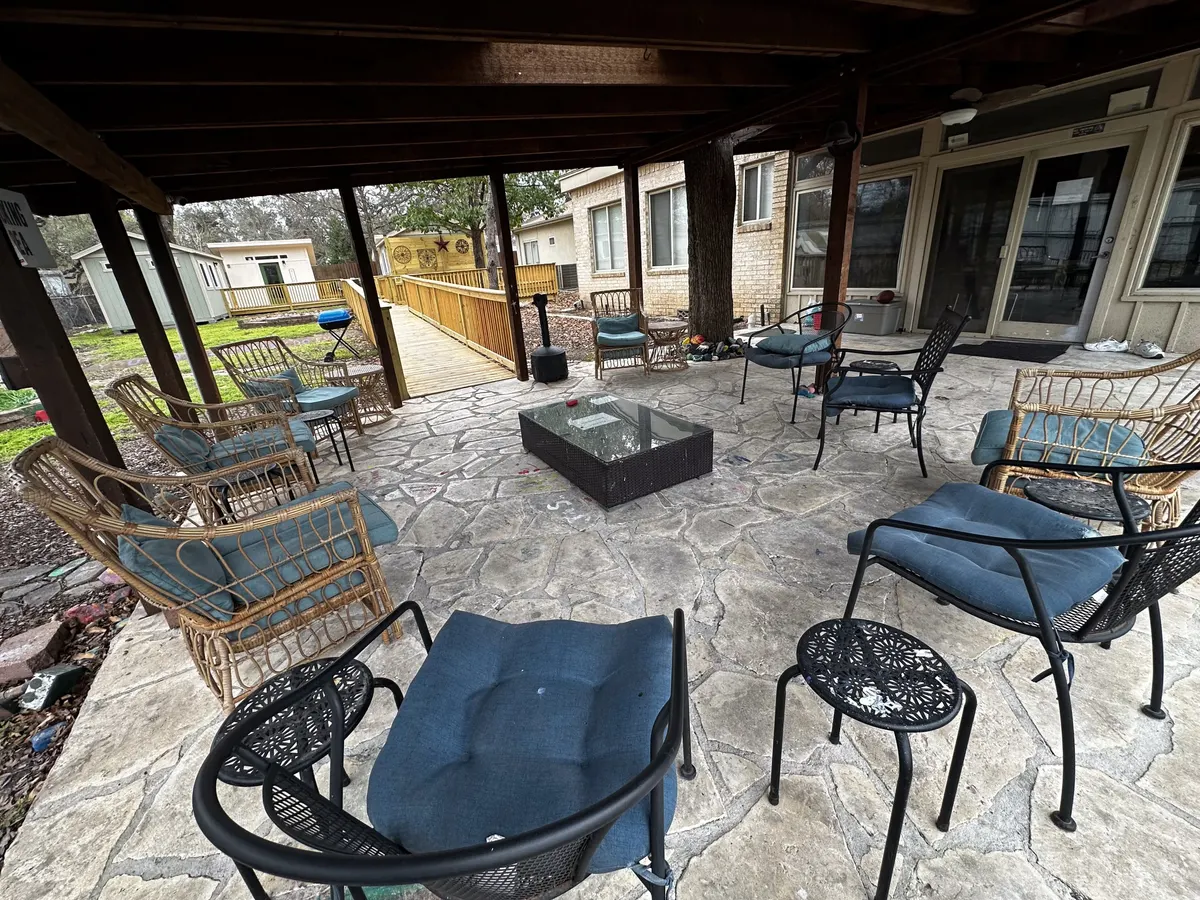
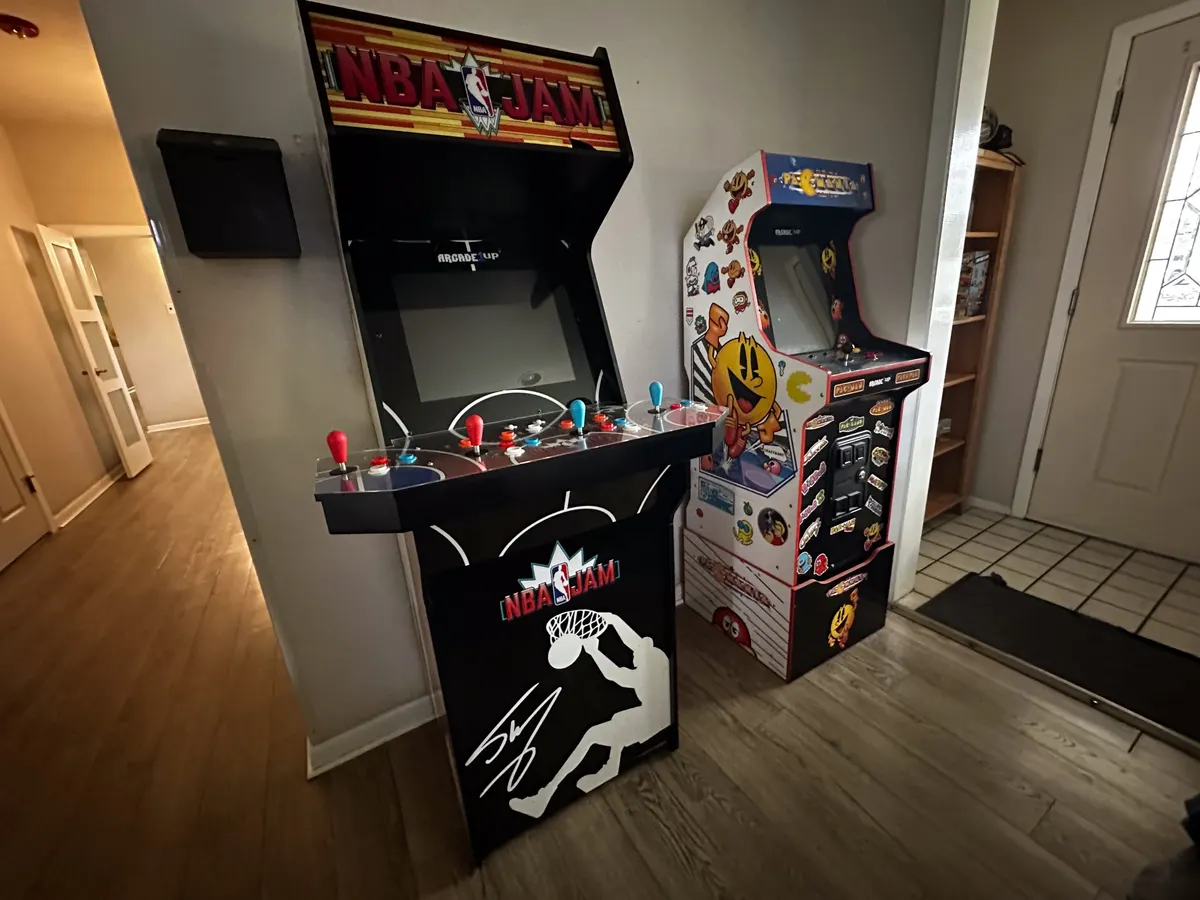
None of this requires your loved one to be doing well.
The program runs on its own schedule, and the call to ask about it is free and confidential.
What families get out of it
Five things the program is built to produce. They are the page’s own list, which arrived as one unpunctuated paragraph and is separated here.
-
Healing and understanding
Encourages healing and understanding among family members, which is the point the other four serve.
- Healing
- Understanding
-
A safe space
Provides a safe space for everyone to be heard and to listen. Both halves of that are deliberate.
- Be heard
- Listen
-
Self-awareness
Helps clients and their families develop self-awareness of negative behaviors, and then learn how to modify them.
- Awareness
- Change
-
Healthy communication
Encourages healthy communication practices, which is what makes the rest of it hold once everyone goes home.
- Communication
- Practice
-
Rebuilt trust
Helps rebuild trust within the family unit. This is usually the slowest of the five and the one families came for.
- Trust
- The family unit
How the three days are built
The Intensive Family Program is a three-day experience that involves the whole family, led by counselors and recovery specialists. The meetings take place in a private area away from the main campus, which keeps the groups small, the distractions few, and gives families a chance to get to know each other.
Four methods make up the schedule.
-
Group therapy sessions
Therapy groups use cognitive behavioral and interpersonal therapy models to help families find the root issues inside the family system. Everyone gets a safe place to say what addiction has been like for them and to be heard saying it. Sessions run both with and without the client present.
- CBT
- Interpersonal
-
Educational lectures
A lecture series covering addiction’s effect on the brain, communication skills training, and understanding codependency and boundary setting.
- The brain
- Codependency
-
Homework assignments
Assignments each night. The Johari Window model is used to surface family issues, and the written work addresses pain, love and healthy boundaries.
- Nightly
- Johari Window
-
Experiential work
Psychodrama techniques including role reversal, mirroring and modeling. They bring the whole family into the exercise and show the views that denial and old barriers usually keep out of the room.
- Psychodrama
- Role reversal
Families are also taken off campus to an AA or NA meeting with a Nova representative.
The page’s own closing point: the support that keeps going is the support outside the three days.
DETOX & REHAB LOCATIONS
All facilities have licensed professionals. Each one offers private rooms, holistic services, and long-term treatment options. For families starting with residential care, review our inpatient rehab near Austin.
- AUSTIN
- SAN ANTONIO
- HOUSTON
- Colorado Springs
Ready to take the next step?
We accept most major insurance
Most major insurance covers treatment here
We'll check your benefits for free and tell you what you'd actually pay, before you commit to anything.
















Takes about 2 minutes · No obligation · Or call (512) 605-2955
Don't see yours? We work with more plans than we can show here.
3 Additional Ways to Get Involved in a Loved One’s Treatment
Addiction affects the whole family. When a loved one gets help, the entire family begins to recover.
Family involvement in recovery is crucial for long-term sobriety. A dysfunctional household can trigger a relapse. The more the family works to heal together and individually, the better their chances of overcoming addiction.

1. Family Therapy
Family therapy is a fundamental part of a high-quality treatment program. Family therapy helps fix problems in the family.
It teaches family members how they depend on each other. The goal is to replace unhealthy thoughts, attitudes, and behaviors with healthier ones.
Productive change happens when we improve communication skills. It also involves looking at family relationship patterns. We need to work on restoring trust and rebuilding damaged relationships.
Family behavior therapy is an outpatient treatment. It helps reduce drug and alcohol use in adults and teens.
This therapy also improves family functioning by addressing different issues. We need to address co-occurring issues like depression, unemployment, behavior problems, and child mistreatment. This is important to help families function well again. Our family program is only offered at our drug rehab Austin level of care and not our Austin intensive outpatient program.

2. Individual Therapy
Individual therapy for family members is not usually part of a treatment program. However, each family member and the family as a whole can benefit from it. This treatment approach often includes cognitive behavioral therapy (CBT).
CBT helps members see and change unhealthy patterns in their thoughts and behaviors. It also teaches them to replace these patterns with healthier ways of thinking and acting.
As family members face their own challenges, they also deal with mental health issues. They learn skills to boost their mental health and well-being.
Family members boost their self-esteem and communication skills. They also learn ways to improve how the family works together. For children and adolescents, individual therapy reduces the risk of developing a substance use disorder down the road.

3. Support Groups
Support groups are important for family members, especially during the early period of addiction recovery. Support groups help people feel less alone. They provide tools for managing stress and coping skills.
These skills support long-term wellness. They let family members share their stories and feelings. This helps them understand how mental health conditions affect recovery.
Members can also receive support from others who have faced similar situations. They provide a safe space to share fears, work through challenges, and contribute to personalized treatment plans. They also let you celebrate achievements. Helping someone else can be immensely rewarding too.
Nova Recovery Center dedicates itself to helping you or your loved one get help. Please call or fill out this form for a confidential consultation. One of our understanding, dedicated advisors will contact you about your options.
Ready to take the next step?
Frequently Asked Questions (FAQ)
How does a family program support long‑term addiction recovery?
Family involvement in treatment helps improve results. Participants are more likely to stay in treatment, use less substances, and stay sober. It fosters trust, communication, and accountability within family dynamics, providing a supportive environment that reduces relapse risks.
What is Community Reinforcement and Family Training (CRAFT)?
CRAFT is an evidence‑based method teaching family members positive reinforcement communication strategies to encourage their loved one into treatment without confrontation. It improves family member well-being and has shown high success rates, up to 70%, in motivating treatment engagement.
Why include family therapy in addiction treatment plans?
Family therapy helps clarify roles, set healthy boundaries, and break enabling patterns. It enhances family functioning, reduces conflict, and supports sustainable change. Studies reveal it is effective in improving communication and long‑term recovery outcomes.
What are the core components of Nova Recovery Center’s Intensive Family Program?
Nova’s three‑day program includes: Group therapy (cognitive behavioral and interpersonal models)Educational lectures on addiction, relationships, and boundary settingHomework assignments using the Johari Window modelExperiential activities like psychodrama techniquesOff‑campus support group attendance (e.g. AA/NA)
Can family therapy help families dealing with codependency or mental health conditions?
Yes. Educational components address codependency, family roles, and unresolved conflict. Therapy helps family members explore mental health conditions, build coping skills, and learn healthier dynamics. This promotes healing and resilience across the entire family system.
What benefits do support groups offer family members during recovery?
Support groups like Al-Anon and Families Anonymous help people feel less alone. They share experiences, teach coping skills, and create a safe space to express feelings. Participation also informs personalized recovery treatment plans and enhances emotional resilience.
How do family members benefit from individual therapy in addition to family sessions?
Individual therapy provides a structured treatment plan personalized to each family member. Often using cognitive behavioral therapy (CBT), it helps individuals identify and change unhealthy thought-behavior patterns. This approach supports mental health recovery, self-esteem, communication skills, and reduces risk of future substance misuse.
What should families expect from aftercare and ongoing involvement post‑program?
After the initial family program, support groups, recovery coaching, continued family therapy, and relapse prevention planning encourage ongoing family engagement. Nova emphasizes building coping skills, maintaining boundary-setting practices, and strengthening communication across time.
Talk to someone today
Ready when you are
Admissions are answered 24 hours a day by a person, not a queue. We will check your benefits for free and tell you what treatment would actually cost.
Free and confidential · No obligation