

Drug & Substance Guide
Vicodin Withdrawal Symptoms, Detox, and Treatment Options
Admissions answered 24 hours a day · Free and confidential
Excellent 4.6 out of 5 434 Google reviews across our locations



What clients say
Trusted by clients across Texas
4.6 from 434 Google reviews across 9 locations
Across Nova Recovery Center, Briarwood Detox Center and Eudaimonia Recovery Homes
★★★★★
“Nova is far from perfect, and some of the information can be misleading. But if you want to cover the 12 Steps while enjoying good food and a beautiful scenic view, this is the place for you. The…”
10 months ago · Wimberley
★★★★★
“I did 90 days at Nova Recovery 6 years ago. I am still sober today. And living a life I could have never imagined. The people and the program they are running impacted me for a lifetime. Better than…”
2 years ago · Wimberley
★★★★★
“I went to Nova almost 9 months ago and I wouldn’t change it for the world. The staff when I first entered were very nice and welcoming. As a 19 year old that didn’t know what I was getting myself…”
2 years ago · Austin
★★★★★
“Nova Recovery Center has been an invaluable part of my journey to sobriety. The intensive inpatient program, coupled with the unwavering support and guidance from my recovery specialist, Mark Rector…”
2 years ago · Austin


★★★★★
“I had such a positive experience at Nova Recovery in Wimberley! The staff genuinely cares and went above and beyond to support me every step of the way. The peaceful setting made it easier to focus…”
a year ago · Wimberley
★★★★★
“I love Nova so freaking much. Nova has saved my life in more ways than one. I was hopeless and had no solution suffering from this disease. The staff there never gave up on me. I was the worst client…”
2 years ago · Austin
★★★★★
“I know Mark rector is non-binary however it saved my life and it did a good job with CPR and I don't know how aside from staying sober I could ever repay it thank you Mr or Mrs or whatever you're…”
8 months ago · Austin
★★★★★
“It's been a few years since I was a patient at Nova Recovery Center. Recently I have been reflecting on my time there and how incredibly grateful I am for the experience I had. I have been to 7 rehab…”
2 years ago · Austin


Exceptional standards, backed by credible organizations
Our affiliations and accreditations

What Vicodin is
Vicodin combines hydrocodone, an opioid, with acetaminophen, the over-the-counter pain reliever. It is prescribed for moderate to severe pain, often after surgery, and it is among the most commonly prescribed opioids in the country as well as among the most misused.
The opioid half dulls pain and produces calm and euphoria, the brain adjusts, and the dose that worked stops working. This page covers the symptoms of Vicodin addiction, the withdrawal timeline including post-acute symptoms, and what detox and treatment involve.
- What is in it
- Hydrocodone and acetaminophen
- What it treats
- Moderate to severe pain
- When it is prescribed
- After surgery, or for chronic pain
- How common
- Among the most prescribed, and most abused
The acetaminophen in Vicodin damages the liver long before the opioid dose feels like too much. Worth saying out loud when you call.











Why Is Vicodin So Addictive?
Vicodin changes how the brain senses pain. It also creates feelings of calm and euphoria. These pleasant effects make it easy for someone to take more than needed. Over time, the brain adapts, and users may need a higher dose to feel the same effects. This cycle can lead to physical dependence.
Vicodin is often misused through:
- Forged or stolen prescriptions
- Illegal online purchases
- Taking someone else’s medication
Misusing Vicodin increases the risk of addiction, overdose, and serious health problems.
Symptoms of Vicodin Addiction
Addiction affects the brain and behavior. People struggling with Vicodin may show the following signs and symptoms:
- Taking more pills than prescribed
- Using Vicodin to feel high
- Trying to stop but failing
- Neglecting responsibilities
- Pulling away from family members and friends
- Needing a higher dose for the same effect
- Continuing use despite harm
- Feeling sick without the drug
These behaviors often point to a substance use disorder. People with mental illnesses or those using other drugs or alcohol may face higher risks.
Is Vicodin Addictive?
Vicodin contains hydrocodone and can be habit-forming. Misuse increases overdose risk. The quiz below can help identify concerns.
Not sure what to do?
Tell us what’s going on. We’ll listen, answer questions about detox and next steps, and help you decide a plan that feels safe.
Call Nova recovery admissions 24/7
Discover More About Narcotics
Everything You Need to Know...
We accept most major insurance
Most major insurance covers treatment here
We'll check your benefits for free and tell you what you'd actually pay, before you commit to anything.
















Takes about 2 minutes · No obligation · Or call (512) 605-2955
Don't see yours? We work with more plans than we can show here.
VERIFY YOUR INSURANCE | 100% CONFIDENTIAL
Treatment Options After Detox
Once detox is complete, ongoing care is critical. Many people enter a rehab center for continued support. Treatment programs help individuals learn how to live without the drug.
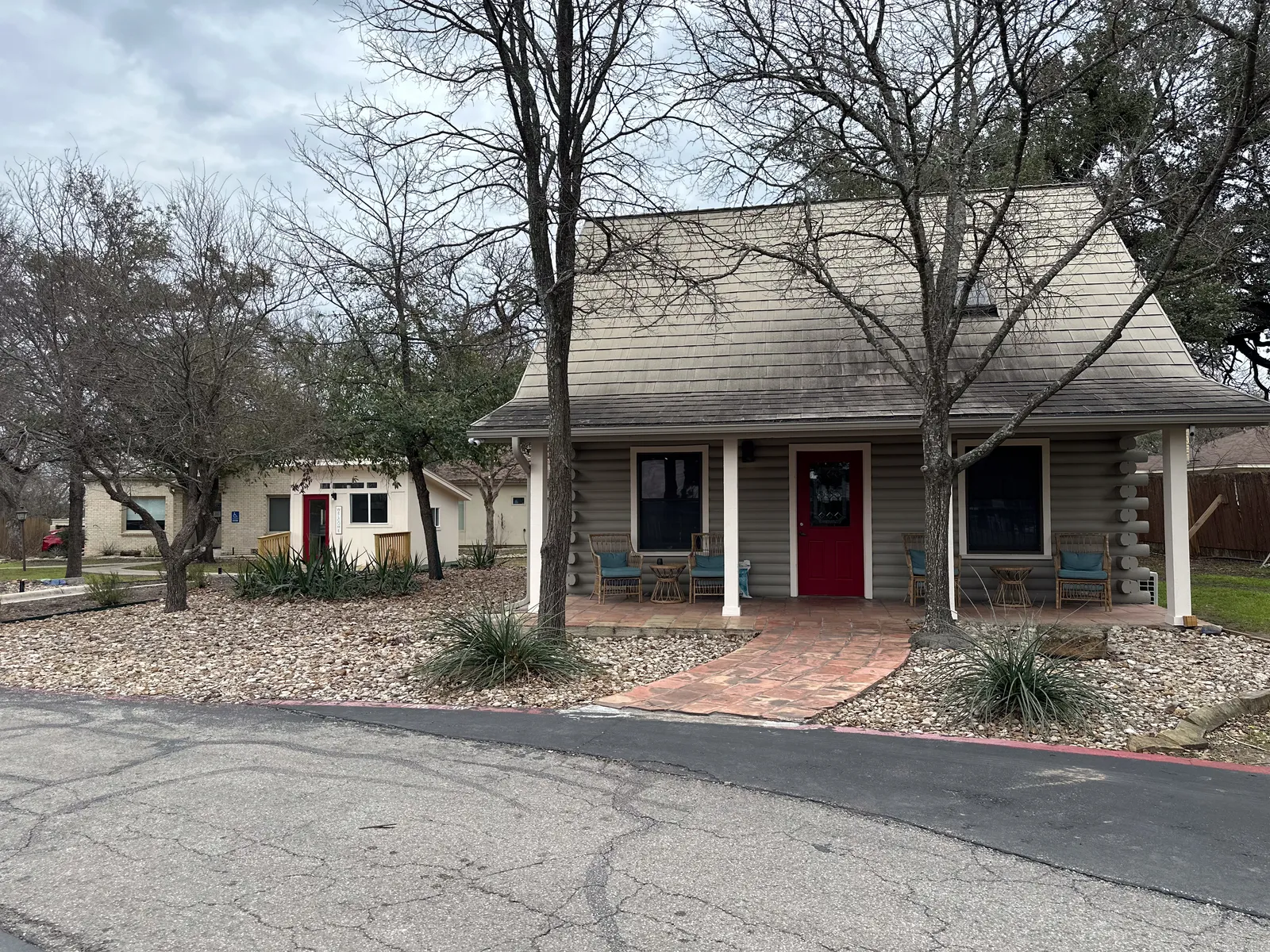
Types of Vicodin rehab programs:
Inpatient treatment:
- Stay at the facility
- Daily therapy sessions
- Structured environment
- Ideal for severe addiction or co-occurring mental health conditions
Outpatient treatment program:
- Live at home
- Attend scheduled group or individual therapy
- Balance treatment with work or family responsibilities
- Good for mild to moderate addiction
Each level of care supports long term recovery. A healthcare professional can help decide which is best.

What Happens in Rehab?
Rehab focuses on healing the mind and body. Programs include:
- Individual counseling
- Group therapy
- Family therapy
- Educational sessions
- Relapse prevention planning
- Behavioral therapies like cognitive behavioral therapy (CBT)
Treatment plans are personalized. People also learn to manage emotional triggers, cravings, and stressful situations.
Some rehab centers treat co-occurring mental health conditions such as depression or PTSD. These medical conditions often fuel addiction and must be addressed together.
Freedom Starts Here. Take Back Your Life Today.
Same-Day Admissions in Austin Available.

Aftercare and Support Groups
Aftercare programs keep people connected after rehab. These groups meet weekly and offer a space to share experiences and advice. Support groups such as 12-step programs can help people stay motivated and avoid relapse.
Family therapy is also useful. It helps repair relationships and teaches family members how to support their loved one’s recovery.

Risks of Long-Term Vicodin Abuse
Vicodin abuse over time can damage both mental and physical health. Some health problems include:
- Liver damage (from acetaminophen)
- Heart disease
- Trouble breathing
- Depression and anxiety
- Hormonal imbalance
- Brain fog and memory loss
Mixing Vicodin with alcohol or other prescription medication increases the risk of overdose.
People who misuse Vicodin are also more likely to develop an opioid use disorder. This condition affects millions of people across the United States and often requires long-term care.
Frequently Asked Questions About Vicodin, Hydrocodone, and Painkiller Use
Is Vicodin a strong painkiller?
Yes, Vicodin is considered a strong painkiller because it combines hydrocodone, a semi-synthetic opioid, with acetaminophen. This combination effectively treats moderate to severe pain but also carries a high risk of tolerance, dependence, and addiction when misused.
Why was Vicodin banned?
Vicodin was not fully banned but was reclassified by the FDA and DEA due to its high potential for abuse and addiction. In 2014, hydrocodone combination products like Vicodin were moved to Schedule II controlled substances, restricting prescriptions and refills.
What is another drug for Vicodin?
Other hydrocodone and acetaminophen combination drugs are similar to Vicodin. Brand names may vary, but alternatives include generic hydrocodone/acetaminophen or related painkillers like Norco and Lortab.
Which is stronger: hydrocodone or oxycodone?
Oxycodone is generally stronger than hydrocodone for pain relief. While both are opioids, oxycodone provides more potent analgesic effects, but it also comes with a higher risk of misuse and addiction.
Why can’t you take acetaminophen with hydrocodone?
You can, but only in controlled amounts. Hydrocodone is often combined with acetaminophen in drugs like Vicodin. However, too much acetaminophen can cause serious liver damage, so dosage limits must be carefully followed.
Is hydrocodone with acetaminophen strong?
Yes, hydrocodone with acetaminophen is considered strong because it provides dual action: opioid pain relief from hydrocodone and fever-reducing/pain-relieving effects from acetaminophen. This makes it effective but also dangerous if misused.
Is hydrocodone acetaminophen the same as Percocet?
No, they are different. Hydrocodone/acetaminophen (Vicodin, Norco, Lortab) uses hydrocodone, while Percocet combines oxycodone with acetaminophen. Both treat pain but vary in strength and risk.
What is the name for hydrocodone and acetaminophen combo?
The hydrocodone/acetaminophen combination is sold under brand names like Vicodin, Norco, and Lortab. All contain varying doses of each ingredient.
What are the strongest painkillers on prescription?
Some of the strongest prescription painkillers include fentanyl, hydromorphone (Dilaudid), and morphine. While Vicodin is powerful, these stronger opioids are usually reserved for severe or chronic pain.
Toggle What painkiller does a doctor prescribe?
Doctors prescribe painkillers based on severity. For moderate pain, hydrocodone/acetaminophen (Vicodin) may be prescribed, while more severe cases might require oxycodone, morphine, or fentanyl under strict supervision.
What are the most commonly prescribed painkillers?
Commonly prescribed painkillers include hydrocodone/acetaminophen (Vicodin, Norco, Lortab), oxycodone/acetaminophen (Percocet), and non-opioid options like ibuprofen or naproxen.
What do doctors prescribe for severe pain?
For severe pain, doctors may prescribe stronger opioids like oxycodone, morphine, hydromorphone, or fentanyl. These drugs are highly regulated due to the risk of addiction and overdose.
What are the signs of opioid addiction?
The page lists what it looks like with Vicodin: taking more pills than prescribed, using it to feel high, trying to stop and failing, neglecting responsibilities, pulling away from family and friends, needing a higher dose for the same effect, continuing despite harm, and feeling sick without the drug. Those behaviors point to a substance use disorder, and the risk is higher for people with a mental illness or who are also using other drugs or alcohol.
Other Outpatient Drug and Alcohol Rehab Locations
Keep reading
- Alpha-MT (α-Methyltryptamine): Effects, Risks & Treatment Options
- Overcoming Codeine Addiction: Detox and Rehab Options
- Fioricet Detox and Treatment: Symptoms and Recovery Options
- Signs of Heroin Addiction and Treatment Options
- Illegal Opioids: What They Are, Risks, Overdose Warning Signs, and Treatment Options
Talk to someone today
Ready when you are
Admissions are answered 24 hours a day by a person, not a queue. We will check your benefits for free and tell you what treatment would actually cost.
Free and confidential · No obligation