

Drug & Substance Guide
Illegal Opioids: What They Are, Risks, Overdose Warning Signs, and Treatment Options
Admissions answered 24 hours a day · Free and confidential
Excellent 4.6 out of 5 434 Google reviews across our locations



What clients say
Trusted by clients across Texas
4.6 from 434 Google reviews across 9 locations
Across Nova Recovery Center, Briarwood Detox Center and Eudaimonia Recovery Homes
★★★★★
“Nova is far from perfect, and some of the information can be misleading. But if you want to cover the 12 Steps while enjoying good food and a beautiful scenic view, this is the place for you. The…”
10 months ago · Wimberley
★★★★★
“I did 90 days at Nova Recovery 6 years ago. I am still sober today. And living a life I could have never imagined. The people and the program they are running impacted me for a lifetime. Better than…”
2 years ago · Wimberley
★★★★★
“I went to Nova almost 9 months ago and I wouldn’t change it for the world. The staff when I first entered were very nice and welcoming. As a 19 year old that didn’t know what I was getting myself…”
2 years ago · Austin
★★★★★
“Nova Recovery Center has been an invaluable part of my journey to sobriety. The intensive inpatient program, coupled with the unwavering support and guidance from my recovery specialist, Mark Rector…”
2 years ago · Austin


★★★★★
“I had such a positive experience at Nova Recovery in Wimberley! The staff genuinely cares and went above and beyond to support me every step of the way. The peaceful setting made it easier to focus…”
a year ago · Wimberley
★★★★★
“I love Nova so freaking much. Nova has saved my life in more ways than one. I was hopeless and had no solution suffering from this disease. The staff there never gave up on me. I was the worst client…”
2 years ago · Austin
★★★★★
“I know Mark rector is non-binary however it saved my life and it did a good job with CPR and I don't know how aside from staying sober I could ever repay it thank you Mr or Mrs or whatever you're…”
8 months ago · Austin
★★★★★
“It's been a few years since I was a patient at Nova Recovery Center. Recently I have been reflecting on my time there and how incredibly grateful I am for the experience I had. I have been to 7 rehab…”
2 years ago · Austin


Exceptional standards, backed by credible organizations
Our affiliations and accreditations
Illegal opioids are powerful drugs that bind to opioid receptors in the brain and body. They include heroin, illicitly manufactured fentanyl (IMF) and analogs, and counterfeit pills made to look like prescription pain medications. Using prescription opioids without a prescription or in ways other than prescribed is also illegal use, even though the medications themselves can be legal when properly dispensed.
For a local perspective on consequences, read about heroin’s impact on families and budgets in Austin.
Why illegal opioids are the danger now
Illegal opioids now mean fentanyl more than heroin. In 2023 roughly 105,000 people died of drug overdoses in the United States and nearly 80,000 of those deaths involved opioids, with synthetic opioids, chiefly illicitly manufactured fentanyl, leading the count.
The category covers heroin, fentanyl and its analogs, counterfeit pills pressed to look like prescription painkillers, and prescription opioids taken without a prescription or other than as prescribed. This page covers each type, the risks, the warning signs of an overdose, and the treatment options.
- Leading cause now
- Illicitly manufactured fentanyl
- U.S. overdose deaths, 2023
- About 105,000
- Of those, opioid-involved
- Nearly 80,000
- Direction of travel
- A slight decline from 2022 to 2023
Nothing bought on the street is what it says it is any more. Naloxone and a phone call are the two things that change the odds.




What counts as an “illegal opioid”?
Opioids are a class of drugs (natural, semi‑synthetic, and synthetic) that reduce pain by acting on opioid receptors. Some are illegal (e.g., heroin), others are legal when prescribed (e.g., oxycodone, hydrocodone, codeine, morphine, fentanyl), and some are synthetic analogs appearing illicitly (e.g., certain fentanyl analogs).
Illegal opioids include:
Heroin (diacetylmorphine), a semi‑synthetic opioid made from morphine; it has no accepted medical use in the U.S. and is sold on the street.
Illicitly manufactured fentanyl (IMF) and its analogs (e.g., carfentanil). Illicit fentanyl is produced in clandestine labs, then sold as powder, pressed into counterfeit pills, or mixed into other drugs.
Counterfeit “opioid” pills (e.g., fake “M30” oxycodone tablets) often contain IMF or analogs; people may believe they are taking a prescription opioid but instead ingest an unpredictable, high‑potency synthetic.
Diverted prescription opioids used illegally (without a prescription or in ways other than prescribed). While the substances can be legal in clinical care, nonmedical use is illegal and risky.
Types of illegal opioids
How illegal opioids are made and sold
- Clandestine labs and supply chainsIMF is synthesized in illegal labs then shipped as precursors or powders; locally, it’s cut and pressed into pills or mixed with other drugs.
- Counterfeit pill pressingCheap presses create tablets marked like legitimate medications. Visual inspection is unreliable; lab testing is required to confirm contents.
- Market contaminationIMF is found not just in opioid‑labeled products but in stimulants and fake benzodiazepines, increasing overdose risk for people who do not expect an opioid exposure
Overdose: warning signs and what to do

Common warning signs
Slow or stopped breathing; gurgling.
Pinpoint pupils; bluish lips or nails.
Unresponsiveness; limp body.

What to do
Call emergency services immediately.
Administer naloxone (Narcan): Works on opioid overdoses, including fentanyl; multiple doses may be needed. OTC Narcan nasal spray is now widely available.
Provide rescue breathing if trained and the person isn’t breathing normally.
Stay with the person until help arrives.
Important: Naloxone works only on opioids. It does not reverse non‑opioid sedatives (e.g., xylazine), but it still must be given promptly if an opioid may be involved.
Discover Our Drug Glossary
Everything You Need to Know...

Harm reduction for today’s illegal opioid supply
Carry naloxone and know how to use it (nasal spray, intramuscular).
Use fentanyl test strips where legal and available to check samples; be aware results aren’t perfect and do not quantify potency.
Never use alone; stagger use with someone present who has naloxone.
Start low, go slow with any new source; potency varies.
Avoid mixing opioids with alcohol, benzodiazepines, or other sedatives. This dramatically increases overdose risk.
Know local resources (syringe services, naloxone distribution, medication treatment providers).

Withdrawal from illegal opioids: what to expect
Opioid withdrawal can start within hours of last use (short‑acting opioids) or a day or more (long‑acting). Symptoms often include anxiety, muscle aches, sweating, runny nose, yawning, GI upset, and insomnia. Severity and duration depend on the opioid, amount used, duration, and individual factors. While rarely life‑threatening on its own, withdrawal can be very uncomfortable and can trigger relapse. Medications can greatly reduce symptoms and cravings.
Related interests your audience searches for (from your keywords):
“How long do opioid withdrawal symptoms last?”, Typically several days, with some symptoms persisting longer; medications help.
“Methadone withdrawal” and “oxycodone withdrawal symptoms”, Tapering and physician‑guided plans improve safety and comfort.
“Detox medications for opiates”, See MOUD below.
We accept most major insurance
Most major insurance covers treatment here
We'll check your benefits for free and tell you what you'd actually pay, before you commit to anything.
















Takes about 2 minutes · No obligation · Or call (512) 605-2955
Don't see yours? We work with more plans than we can show here.
VERIFY YOUR INSURANCE | 100% CONFIDENTIAL
Evidence‑based treatment for opioid use disorder (OUD)
Medication‑based treatment (MOUD) is the gold standard and reduces mortality, cravings, and illicit use.
- Buprenorphine/naloxone (Suboxone®)Partial agonist + antagonist combination that reduces cravings and withdrawal, with a ceiling effect that lowers overdose risk compared to full agonists. Your keywords (e.g., “how to take suboxone,” “side effects of suboxone/strips,” “dose of suboxone,” “suboxone and pain medication”) reflect strong public interest, optimize with practical, clinician‑reviewed guidance.
- MethadoneFull agonist dispensed through certified opioid treatment programs; very effective for stabilization and retention. “Methadone withdrawal” is common as a query; careful tapering and clinical oversight are key.
- Extended‑release naltrexoneOpioid antagonist that blocks effects; requires a period of abstinence before initiation. Appropriate for some patients.
Naloxone (Narcan) is not a treatment for OUD, it’s an overdose reversal medication. Still, make naloxone access prominent on the page because “otc narcan,” “what drugs does narcan work on,” and “narcan side effects” appear in your keywords.
Behavioral supports (counseling, recovery housing, peer support) enhance outcomes, especially when paired with MOUD. Integrated care for co‑occurring mental health conditions improves retention and quality of life.

Current trends and numbers
MF remains the primary driver of U.S. overdose deaths; illicit fentanyl’s presence in counterfeit pills and non‑opioid drugs complicates risk.
2023 U.S. overdose deaths: ~105,000 total; ~80,000 involved opioids; overall rate declined ~4% vs 2022 (provisional). Maintain cautious optimism while reinforcing harm‑reduction and treatment access.
Carfentanil’s reemergence (2023–2024) may threaten progress due to extreme potency.
Freedom Starts Here. Take Back Your Life Today.
Same-Day Admissions in Austin Available.
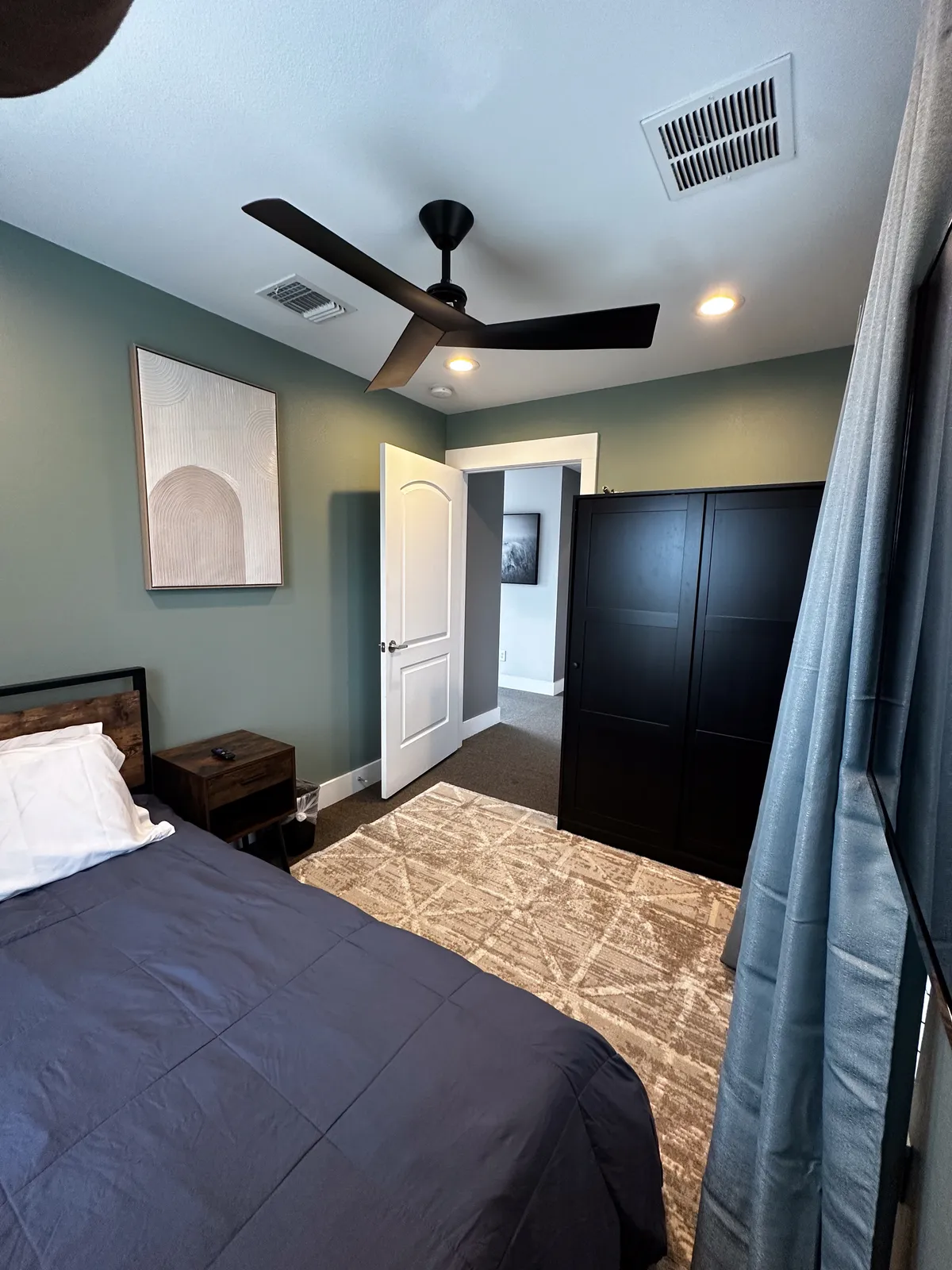
You Can Recover: Let’s Begin
Nova Recovery Center provides comprehensive, evidence-based treatment for individuals struggling with illegal opioid addiction, including heroin, illicitly manufactured fentanyl, and counterfeit pills. Our programs begin with safe medical detox to manage withdrawal symptoms and reduce the risk of relapse during early recovery. Clients receive individualized treatment plans that integrate medication-assisted treatment (MAT), behavioral therapies, and peer support. We emphasize long-term recovery strategies, equipping clients with coping skills, relapse prevention tools, and a supportive sober network.
By combining clinical care with holistic therapies, we address the physical dependence and the psychological and emotional factors driving addiction. Family support and education are also woven into our approach, helping loved ones understand the recovery journey. With structured aftercare, including outpatient programs and sober living options, Nova Recovery Center supports clients well beyond initial treatment.
Get help today. Reach out now to start your path to healing.

How We Can Help in Austin, Houston, San Antonio, Colorado Springs, and Philadelphia
Nova Recovery Center extends compassionate and professional support across multiple regions, making treatment for illegal opioids accessible to more communities. In Austin, Texas, our drug and alcohol rehab programs provide a full continuum of care, from detox to long-term residential treatment, ensuring individuals have the tools to overcome opioid use disorder. In Houston, Texas, we offer medical detox and structured recovery programs tailored to those affected by the spread of illicit fentanyl and counterfeit pills.
In San Antonio, Texas, our center specializes in drug and alcohol detox services, helping clients begin their recovery safely before transitioning into ongoing treatment. In Colorado Springs, Colorado, our outpatient services and sober living homes provide structure, accountability, and long-term recovery support for individuals overcoming opioid misuse. In Philadelphia, Pennsylvania, our sober living programs offer a safe, supportive environment where individuals can maintain their sobriety, build healthy routines, and connect with a recovery community.
By linking these services to our location-specific pages, we ensure that people in each region know exactly where and how to access the care they need.
Illegal Opioids FAQ: Risks, Overdose, Fentanyl, and Treatment Answers
What are illegal opioids?
Illegal opioids include heroin, illicitly manufactured fentanyl (IMF) and analogs, and counterfeit pills that contain opioids but are not produced or dispensed legally. Misusing prescription opioids without a prescription or in ways other than directed is also illegal use.
Is fentanyl always illegal?
No. Pharmaceutical fentanyl is legal when prescribed and used as directed for severe pain. Illicit fentanyl is produced outside the medical supply chain and is a major driver of overdose deaths.
What’s the difference between opiates and opioids?
Opiates are natural compounds (e.g., morphine, codeine, opium) from the poppy plant. Opioids include opiates plussemi‑synthetic (e.g., heroin, oxycodone) and synthetic drugs (e.g., fentanyl).
What are the signs of an opioid overdose?
Slow or stopped breathing, pinpoint pupils, bluish lips, and unresponsiveness. Call emergency services and give naloxoneright away.
Does Narcan work on fentanyl?
Yes. Naloxone (Narcan) reverses fentanyl overdoses, though multiple doses may be needed. It doesn’t reverse non‑opioids like xylazine; still give it if an opioid may be involved.
Why are counterfeit pills so dangerous?
They often contain illicit fentanyl or analogs in unpredictable amounts (“hot spots”). A single pill can be fatal.
How common are fentanyl‑related deaths?
Synthetic opioids, especially illicit fentanyl, are the most common substances involved in U.S. overdose deaths; ~80k opioid‑involved deaths occurred in 2023, with a slight decline vs. 2022.
Is heroin still a problem if fentanyl is the main driver?
Yes. Heroin use persists and is frequently contaminated with illicit fentanyl, raising overdose risk even for people who believe they’re using heroin alone.
How can I reduce the risk if I or someone I love is using?
Carry naloxone, avoid using alone, test samples where legal (fentanyl test strips), start with small amounts, and avoid mixing with alcohol/benzodiazepines. Seek MOUD to reduce risk long‑term.
What treatments help with illegal opioid addiction?
Buprenorphine/naloxone, methadone, and extended‑release naltrexone are evidence‑based medications that reduce death, cravings, and relapse. Counseling and peer supports improve outcomes.
Other Outpatient Drug and Alcohol Rehab Locations
- IOP in Austin
- IOP in San Antonio
- IOP in Colorado Springs
Keep reading
- Lyrica Addiction: Withdrawal, Detox, and Treatment Options
- Celexa Addiction, Withdrawal Symptoms, and Treatment
- Soma Addiction: Withdrawal, Detox, and Treatment Help
- Addiction Resources: Helplines, Treatment Options, and Support Near You
- Addiction Treatment: Evidence‑Based Options, Levels of Care, and How to Start
Talk to someone today
Ready when you are
Admissions are answered 24 hours a day by a person, not a queue. We will check your benefits for free and tell you what treatment would actually cost.
Free and confidential · No obligation