

Drug & Substance Guide
Hydrocodone Detox and Treatment for Opioid Addiction
Admissions answered 24 hours a day · Free and confidential
Excellent 4.6 out of 5 434 Google reviews across our locations



What clients say
Trusted by clients across Texas
4.6 from 434 Google reviews across 9 locations
Across Nova Recovery Center, Briarwood Detox Center and Eudaimonia Recovery Homes
★★★★★
“Nova is far from perfect, and some of the information can be misleading. But if you want to cover the 12 Steps while enjoying good food and a beautiful scenic view, this is the place for you. The…”
10 months ago · Wimberley
★★★★★
“I did 90 days at Nova Recovery 6 years ago. I am still sober today. And living a life I could have never imagined. The people and the program they are running impacted me for a lifetime. Better than…”
2 years ago · Wimberley
★★★★★
“I went to Nova almost 9 months ago and I wouldn’t change it for the world. The staff when I first entered were very nice and welcoming. As a 19 year old that didn’t know what I was getting myself…”
2 years ago · Austin
★★★★★
“Nova Recovery Center has been an invaluable part of my journey to sobriety. The intensive inpatient program, coupled with the unwavering support and guidance from my recovery specialist, Mark Rector…”
2 years ago · Austin


★★★★★
“I had such a positive experience at Nova Recovery in Wimberley! The staff genuinely cares and went above and beyond to support me every step of the way. The peaceful setting made it easier to focus…”
a year ago · Wimberley
★★★★★
“I love Nova so freaking much. Nova has saved my life in more ways than one. I was hopeless and had no solution suffering from this disease. The staff there never gave up on me. I was the worst client…”
2 years ago · Austin
★★★★★
“I know Mark rector is non-binary however it saved my life and it did a good job with CPR and I don't know how aside from staying sober I could ever repay it thank you Mr or Mrs or whatever you're…”
8 months ago · Austin
★★★★★
“It's been a few years since I was a patient at Nova Recovery Center. Recently I have been reflecting on my time there and how incredibly grateful I am for the experience I had. I have been to 7 rehab…”
2 years ago · Austin


Exceptional standards, backed by credible organizations
Our affiliations and accreditations
What hydrocodone is
Hydrocodone is a prescription opioid painkiller for moderate to severe pain, and it is highly addictive even when it starts as pain management.
It changes the way the brain and nervous system respond to pain, and it raises serotonin, which produces pleasure. That euphoria is what drives continued use into an opioid use disorder.
It is sold under brand names including Vicodin, Norco, Lortab, Lorcet, Hydrococet and Donatussin.
- What it is
- A prescription opioid painkiller
- How it works
- Changes the pain response and raises serotonin
- Why use continues
- The euphoria it produces
- Brand names
- Vicodin, Norco, Lortab, Lorcet
Most people on this page started with a prescription. That is the common story here, and it is treatable.
Common hydrocodone brand names include:
- Vicodin
- Norco
- Lortab
- Lorcet
- Hydrococet
- Donatussin










Street Names for Hydrocodone
Hydrocodone is often sold on the street under names like:
- Hydro
- Vikes
- Tabs
- Vicos
- Perks
- Norco
- Watsons

How Common Is Hydrocodone Abuse?
Hydrocodone is one of the most abused prescription painkillers in the United States. According to the National Institute on Drug Abuse, over 5.5 million people misused hydrocodone in 2018 alone. The U.S. consumes nearly 99% of the world’s hydrocodone supply.
Misuse includes:
- Taking larger or more frequent doses than prescribed
- Using someone else’s prescription
- Taking it to get high
Because it’s costly and difficult to maintain a prescription, some people turn to illegal drugs like heroin.
Withdrawal and Detox
Hydrocodone Withdrawal Symptoms
When someone stops taking hydrocodone, the body reacts. Common hydrocodone withdrawal symptoms include:
- Muscle aches
- Depression
- Anxiety
- Chills and goosebumps
- Cravings
- Headaches
- Vomiting and diarrhea
- Irritability and fatigue
Withdrawal symptoms can range from mild to severe, and the intensity often depends on how long the drug was used and at what dosage. Some people may only experience discomfort, while others suffer from intense mental health issues and physical symptoms.
Why Medically Supervised Detox Matters
Quitting suddenly (cold turkey) can be dangerous. A professional detox program provides medical supervision to manage severe withdrawal symptoms and reduce the risk of complications. Medical care also helps prevent relapse.
A healthcare professional may offer medication management, emotional support, and behavioral therapies. These services address both the physical and mental health issues tied to opioid addiction. Many people benefit from structured detox support, especially if they have co-occurring mental illnesses like post traumatic stress disorder.
Hydrocodone Withdrawal Timeline
- 12 hours after last doseSymptoms like yawning, watery eyes, and insomnia begin.
- 1 to 3 daysSymptoms peak. Vomiting, diarrhea, anxiety, and muscle aches are common.
- After 4 daysMost symptoms fade, but some may experience post-acute withdrawal syndrome (PAWS) with lingering mental health challenges.
The hydrocodone withdrawal timeline varies from person to person. It may also vary depending on the person’s overall medical condition and whether they used other addictive substances or alcohol and drugs simultaneously.
We accept most major insurance
Most major insurance covers treatment here
We'll check your benefits for free and tell you what you'd actually pay, before you commit to anything.
















Takes about 2 minutes · No obligation · Or call (512) 605-2955
Don't see yours? We work with more plans than we can show here.
VERIFY YOUR INSURANCE | 100% CONFIDENTIAL
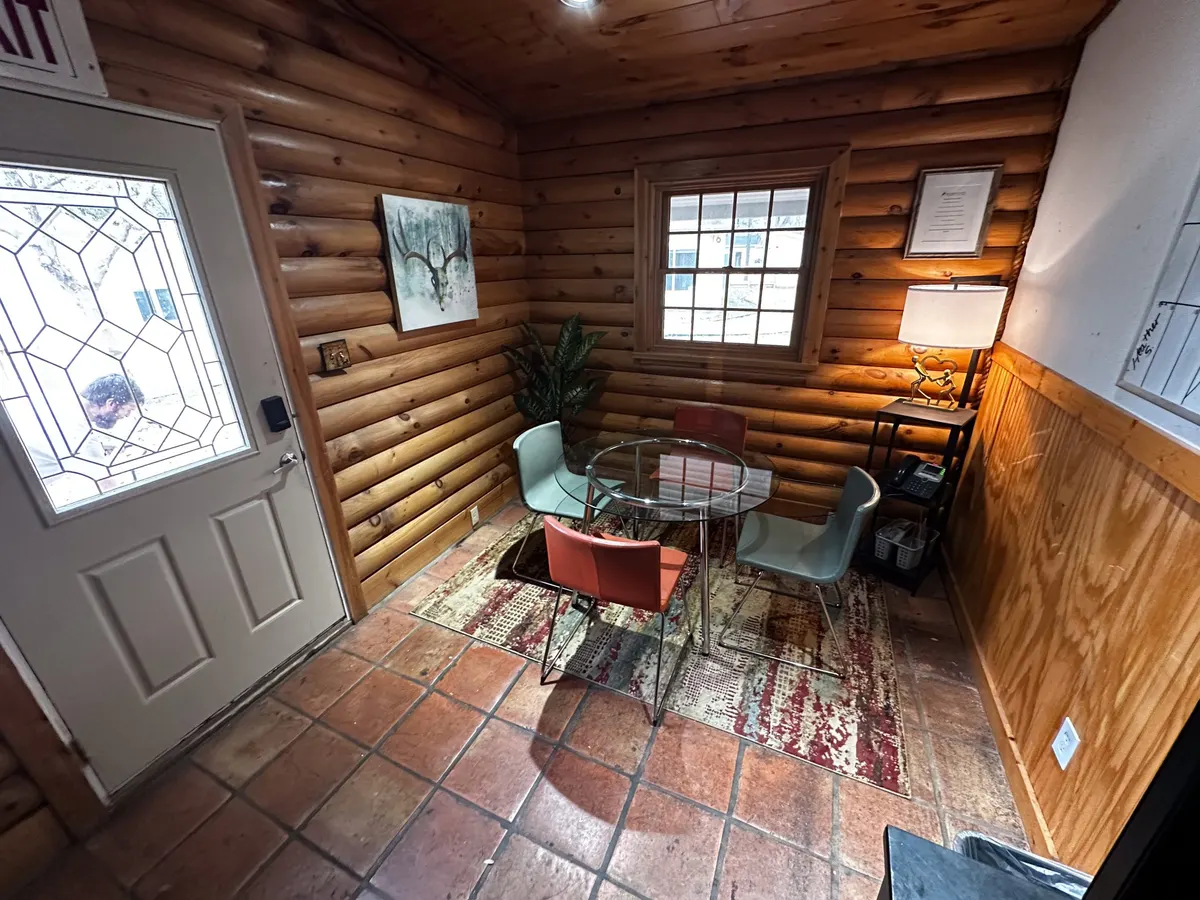
Hydrocodone Detox Services
A medically supervised detox includes:
- 24/7 medical supervision
- Medications to ease withdrawal
- Therapy for emotional and mental health
- Group and individual counseling
These services ensure a safe and stable start to recovery. Detox alone does not treat addiction. It is only the first step in a comprehensive addiction treatment program.
Hydrocodone Rehab Programs
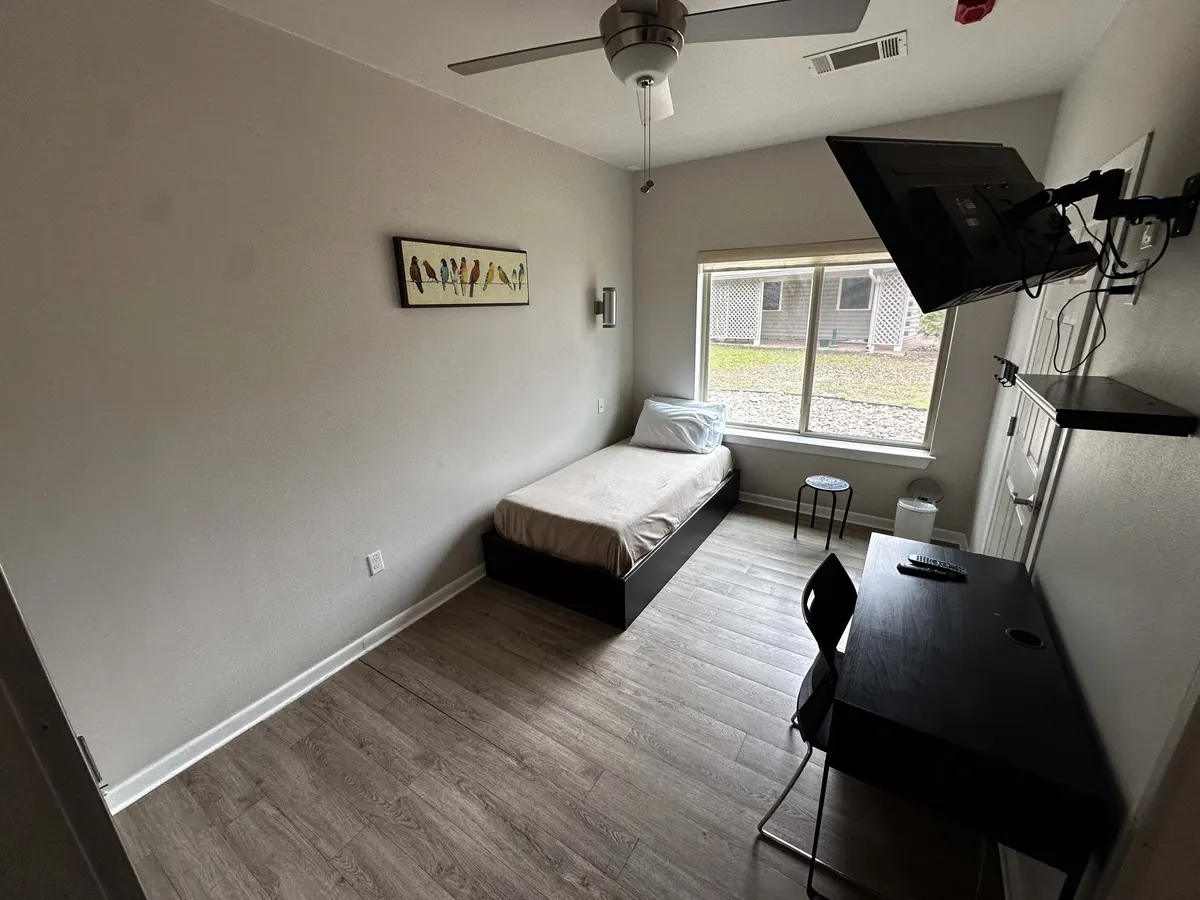
Types of Rehab
Once detox is complete, patients enter a structured treatment center for hydrocodone rehab. Programs vary depending on severity and needs.
Inpatient Treatment
Patients live onsite, follow a strict schedule, and attend daily therapy. This is ideal for those with long-term addiction or unsafe home environments. Inpatient treatment provides constant support and access to a team of healthcare professionals.
Outpatient Drug Rehab
Patients attend weekly sessions but live at home. This is best for people with mild addictions or those unable to commit to inpatient rehab. Outpatient treatment programs still offer strong support. Many people combine outpatient care with other recovery support services.
Treatment Options and Services
Effective hydrocodone addiction treatment includes:
- Individual and group counseling
- 12-step recovery program
- Family therapy
- Relapse prevention education
- Behavioral therapies like cognitive behavioral therapy (CBT)
These services help people stay sober and rebuild daily life skills. Addiction treatment programs must be tailored to individual needs. One size does not fit all.
Discover More About Narcotics
Everything You Need to Know...
What Influences Treatment Success?
Outcomes vary depending on:
- How long and how much hydrocodone was used
- Presence of co-occurring mental illnesses
- Social support system
- Willingness to follow through with the recovery program
- Level of care received
Recovery also depends on early recovery support and consistent follow-up care. Factors including mental health issues, access to supportive environments, and whether someone is receiving help from social workers all play a role. A successful recovery plan should reduce the risk of relapse and increase the chance to live a stable life.
Freedom Starts Here. Take Back Your Life Today.
Same-Day Admissions in Austin Available.
Continued Recovery Support

Sober Living Homes
Some patients need more time before returning to independent living. Sober living homes provide structure, curfews, peer support, and regular drug testing. They also assist with employment and education planning.
Sober living programs help maintain sobriety in early recovery and prevent relapse. Living in a recovery-focused setting helps reinforce healthy habits and accountability. These programs also offer a bridge between rehab and daily life.

Aftercare Programs
Aftercare is essential for long term recovery. Programs include:
- Weekly alumni meetings
- Peer recovery support groups
- Therapy check-ins
- Online support groups and 12-step program involvement
These continuing care services reduce the risk of relapse and offer ongoing encouragement. A strong aftercare plan ensures individuals continue to build on the progress they made in treatment.

How to Pay for Rehab
Treatment facilities offer several payment options:
- Health insurance
- Employee Assistance Programs (EAPs)
- Medical credit cards
- Scholarships or grants
- Personal loans or out-of-pocket payments
A treatment center can guide you in choosing the right financial plan. Many centers work directly with insurance companies to reduce costs.

Final Notes on Recovery
Hydrocodone addiction is a serious health issue. It affects the brain, body, and relationships. If left untreated, it can become life threatening. But help is available.
With the right detox and rehab services, recovery is possible. Programs offer multiple levels of care and address both physical dependence and mental health conditions. Whether you’re battling short term misuse or a long-term addiction, seeking help from a licensed addiction treatment program is the first step.
Treatment plans vary depending on each person. Factors including history of use, medical condition, and environment all play a role. But with medical assistance, behavioral health care, and support groups, many individuals recover and return to a meaningful, sober life.
If you or someone you love is struggling with hydrocodone addiction, don’t wait. Talk to a mental health professional or addiction specialist today and begin the journey toward healing. Recovery is not just possible, it’s within reach.
Hydrocodone FAQs: Painkiller Strength, Narcotic Classification, and Safe Use
Is hydrocodone a strong painkiller?
Yes, hydrocodone is considered a strong prescription opioid painkiller. It is commonly prescribed for moderate to severe pain but carries a high risk of misuse, dependence, and addiction when not taken as directed.
What kind of narcotic is hydrocodone?
Hydrocodone is a semi-synthetic opioid narcotic. It works by binding to opioid receptors in the brain and nervous system, altering pain perception while also producing feelings of euphoria.
Which is stronger, oxycodone or hydrocodone?
Oxycodone is generally considered more potent than hydrocodone on a milligram-to-milligram basis. Both drugs are opioids with high abuse potential, and choosing between them depends on medical need, dosage, and individual response.
Is hydrocodone a Percocet?
No, hydrocodone is not the same as Percocet. Percocet contains oxycodone and acetaminophen, while hydrocodone is the active ingredient in medications like Norco, Vicodin, and Lortab.
What are the strongest painkillers on prescription?
The strongest prescription painkillers are opioids such as fentanyl, hydromorphone, and oxycodone. These drugs are used in cases of severe pain but are prescribed with caution due to addiction risks.
What painkiller does a doctor prescribe?
Doctors prescribe painkillers based on the severity of pain and patient history. Options may range from non-opioid medications like ibuprofen to opioids such as hydrocodone for more serious conditions.
What are the most commonly prescribed painkillers?
Commonly prescribed painkillers include hydrocodone, oxycodone, tramadol, codeine, and acetaminophen-based combinations. Among them, hydrocodone has historically been one of the most widely prescribed opioids.
What do doctors prescribe for severe pain?
For severe pain, doctors may prescribe opioids like hydrocodone, oxycodone, or morphine. These medications are intended for short-term use under close supervision to prevent misuse and addiction.
Is an opioid considered a narcotic?
Yes, opioids like hydrocodone are considered narcotics. They are classified as controlled substances due to their potential for misuse, dependence, and life-threatening overdose.
What is an example of an opiate narcotic?
Examples of opiate narcotics include morphine, codeine, and heroin. Hydrocodone and oxycodone are semi-synthetic opioids that fall into the same narcotic drug class.
What are common narcotic drug names?
Common narcotic drug names include hydrocodone, oxycodone, morphine, fentanyl, and codeine. Brand names often include Vicodin, Norco, Lortab, OxyContin, and Percocet.
What drug classes are considered narcotics?
Narcotics include both natural opiates (like morphine and codeine) and synthetic or semi-synthetic opioids (like hydrocodone, oxycodone, and fentanyl). These are Schedule II controlled substances due to their high potential for abuse.
What are the withdrawal effects of hydrocodone?
The page lists muscle aches, depression, anxiety, chills and goosebumps, cravings, headaches, vomiting and diarrhea, irritability and fatigue. Symptoms such as yawning, watery eyes and insomnia start around 12 hours after the last dose, peak between days 1 and 3, and most fade after day 4, though some people get post-acute withdrawal syndrome with lingering mental health effects. How severe it is depends on how long the drug was used and at what dose.
What happens to your body when you take hydrocodone?
Hydrocodone changes the way the brain and nervous system respond to pain, and it raises serotonin levels, which produces feelings of pleasure. That euphoria is what drives continued use and is how an opioid use disorder develops from a prescription.
Other Outpatient Drug and Alcohol Rehab Locations
Talk to someone today
Ready when you are
Admissions are answered 24 hours a day by a person, not a queue. We will check your benefits for free and tell you what treatment would actually cost.
Free and confidential · No obligation