

Drug & Substance Guide
Tramadol
Admissions answered 24 hours a day · Free and confidential
Excellent 4.6 out of 5 434 Google reviews across our locations



What clients say
Trusted by clients across Texas
4.6 from 434 Google reviews across 9 locations
Across Nova Recovery Center, Briarwood Detox Center and Eudaimonia Recovery Homes
★★★★★
“Nova is far from perfect, and some of the information can be misleading. But if you want to cover the 12 Steps while enjoying good food and a beautiful scenic view, this is the place for you. The…”
10 months ago · Wimberley
★★★★★
“I did 90 days at Nova Recovery 6 years ago. I am still sober today. And living a life I could have never imagined. The people and the program they are running impacted me for a lifetime. Better than…”
2 years ago · Wimberley
★★★★★
“I went to Nova almost 9 months ago and I wouldn’t change it for the world. The staff when I first entered were very nice and welcoming. As a 19 year old that didn’t know what I was getting myself…”
2 years ago · Austin
★★★★★
“Nova Recovery Center has been an invaluable part of my journey to sobriety. The intensive inpatient program, coupled with the unwavering support and guidance from my recovery specialist, Mark Rector…”
2 years ago · Austin


★★★★★
“I had such a positive experience at Nova Recovery in Wimberley! The staff genuinely cares and went above and beyond to support me every step of the way. The peaceful setting made it easier to focus…”
a year ago · Wimberley
★★★★★
“I love Nova so freaking much. Nova has saved my life in more ways than one. I was hopeless and had no solution suffering from this disease. The staff there never gave up on me. I was the worst client…”
2 years ago · Austin
★★★★★
“I know Mark rector is non-binary however it saved my life and it did a good job with CPR and I don't know how aside from staying sober I could ever repay it thank you Mr or Mrs or whatever you're…”
8 months ago · Austin
★★★★★
“It's been a few years since I was a patient at Nova Recovery Center. Recently I have been reflecting on my time there and how incredibly grateful I am for the experience I had. I have been to 7 rehab…”
2 years ago · Austin


Exceptional standards, backed by credible organizations
Our affiliations and accreditations



Could you be addicted to prescription opioids?
Take our prescription opioids use disorder assessment.
100% Confidential
- Sober Living Programs
- Aftercare Programs
What tramadol is
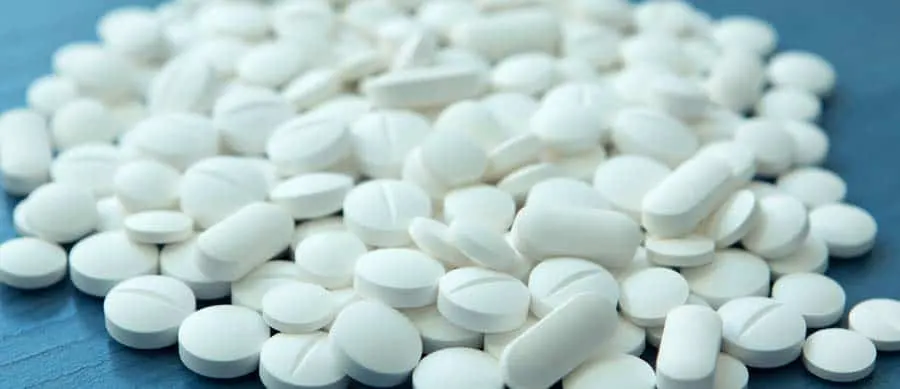
Tramadol, sold as Ultram, is a prescription opioid analgesic for moderate to severe pain, and the DEA schedules it as a Schedule IV substance in the United States.
When it was approved in 1995 it was widely believed to be less dangerous than other narcotic drugs.
That belief did not survive. It is now well recognized that tramadol causes dependence and addiction, which is why it was scheduled.
- What it is
- A prescription opioid analgesic (Ultram)
- Classification
- Schedule IV in the United States
- What was believed in 1995
- That it was safer than other narcotics
- What is known now
- It causes dependence and addiction
Tramadol was handed out for years as the safe opioid. If that is how you came to it, you are far from alone.

Slang for Tramadol
The following terms are street names or slang for tramadol:
- Chill pills
- Trammies
- Ultras
Is Tramadol Addictive?
Yes, tramadol can be an addictive drug. Although Ultram is highly effective for treating pain, it also comes with a host of risks such as dependence and addiction. Some people develop substance abuse problems after misusing tramadol and the risks for people who have previous substance use are even higher.
When tramadol is taken in pill form by mouth, it can cause a euphoric, opioid-like high, similar to the high users feel when they abuse OxyContin and other prescription opioid drugs. Tramadol can also enhance the user’s mood because it increases serotonin and norepinephrine levels in the brain.2
Because of these pleasurable effects, tramadol users may repeatedly take large doses of the drug to feel the euphoric effects again, and gradually develop tolerance, dependence, and eventually, addiction. For most people, Ultram and other tramadol drugs remain an effective way to manage pain for about six months. After that, the consistent use and misuse of the drug can lead to tolerance.
The dangers of tramadol abuse and addiction are also reflected in these recent statistics from the Substance Abuse and Mental Health Services Administration (SAMHSA):
- Emergency department visits involving tramadol misuse and abuse increased 250 percent from 2005 to 2011.
- In 2011, there were an estimated 54,397 emergency department visits involving tramadol, and 40 percent of them were attributed to misuse or abuse.
- In 2011, tramadol was ranked ninth on the list of narcotic pain relievers secured in law enforcement operations and analyzed by forensic labs.
- Prescriptions for tramadol increased 88 percent from 23.3 million in 2008 to 43.8 million in 2013.3

Tramadol vs. Oxycodone: What’s the Difference?
Both tramadol and oxycodone are prescription opioids that are used to treat moderate to severe pain. While oxycodone only comes in the form of an immediate-release tablet, tramadol comes in both immediate and extended-release tablet form, which can extend its effects for up to 12 hours.
Both drugs can cause mild and serious side effects. Mild side effects of tramadol products like Ultram include nausea, vomiting, constipation, drowsiness, sweating, dry mouth, and nervousness, while serious side effects can include slowed breathing, seizures, and serotonin syndrome.
Mild side effects of oxycodone are similar to that of tramadol and include nausea, vomiting, constipation, drowsiness, sweating, lack of energy, and insomnia, while serious side effects can include slowed breathing, low blood pressure, not being able to breathe, and cardiac arrest.
| Tramadol | Oxycodone |
|
|

Tramadol vs. Hydrocodone: What’s the Difference?
Tramadol and hydrocodone are both powerful opioid analgesics that are used to treat moderate to severe pain. Both drugs work by attaching to receptors in the brain, but tramadol allows norepinephrine and serotonin to stay in the brain for a longer period of time to block signals of pain.
While there is a generic version available for tramadol, there no generic version of hydrocodone. Tramadol comes in immediate and extended-release tablets but hydrocodone only comes in extended-release tablet form, unless it is combined with other drugs.
The two drugs produce similar side effects, such as dizziness, drowsiness, constipation, loss of appetite, nausea, and vomiting, but there are a few unique differences. Tramadol’s unique side effects include flushing, congestion, sore throat, headache, itching, weakness, and seizures. Hydrocodone’s unique side effects include confusion, low blood pressure, respiratory depression, and gastric obstruction.
Although both tramadol and hydrocodone are addictive, hydrocodone is most likely to be abused.
| Tramadol | Hydrocodone |
|
|

How Common is Tramadol Addiction?
According to the 2017 National Survey on Drug Use and Health, 1,753 people (or 0.6 percent of the population) misused tramadol products like Ultram over the past year. About 63 percent of people who misused pain relievers like tramadol reported doing so to relieve pain and 13 percent said they did it to feel good or get high.5
Tramadol abuse and addiction is not extremely prevalent in the U.S., however, within the first three years of approval in the U.S., it was evident that patients on tramadol were abusing it. Although the vast majority of people abusing it had previous substance abuse problems, the addictive qualities of tramadol were still a primary factor in the abuse and misuse of the drug.
What Are the Common Signs and Symptoms of Tramadol Addiction?
Tramadol abuse can easily lead to addiction. If you’re taking this medication and start to notice the following symptoms, you may be dependent or addicted to it.
- You have compulsive cravings to use tramadol.
- You feel like you need tramadol to cope with everyday problems.
- You are concerned about experiencing withdrawal when the effects of the drug wear off.
- You feel anxious or scared when you think about not taking tramadol anymore.
- You are preoccupied with getting more tramadol.
- You have mood swings.
- You feel physically uncomfortable if you don’t take tramadol.
- You take a higher dose than prescribed by your doctor.
- You visit several different doctors to get more tramadol.
- You keep using tramadol despite concerns voiced by family and friends.6
What Are the Side Effects of Tramadol Abuse?
Tramadol (Ultram) abuse and addiction can cause many negative physical and psychological side effects. Many of the side effects of tramadol addiction mimic those of opioid abuse. Common tramadol addiction side effects include:
- Nausea
- Dizziness
- Constipation
- Vomiting
- Lack of energy
- Seizures
- Muscle weakness
- Low appetite
- Loss of libido
- Fertility problems
- Decreased muscle and bone mass
- Mood swings
- Respiratory problems
- Hallucinations
- Liver damage
- Kidney damage
- Depression7
What Are Tramadol Withdrawal Symptoms?
Tramadol withdrawal is similar to other opioid drug withdrawal syndromes and shares many of the same symptoms. If you are anticipating going through tramadol detox and withdrawal, you may experience some of the following tramadol withdrawal symptoms.
- Stomach pain/gastrointestinal issues
- Depression
- Sweating
- Nausea
- Irritation
- Numbness in the hands and feet
- Paranoia
- Cravings
- Headaches
- Loss of appetite
- Confusion
- Hallucinations
- Ringing in the ears
- Nightmares
- Insomnia
- Muscle pain
- Tremors
- Diarrhea8
Most medical experts recommend slowly tapering over time to stop tramadol abuse instead of quitting cold turkey. This may help minimize the severity of withdrawal symptoms produced by Ultram and tramadol products. A medically-assisted tramadol detox program can provide guided assistance to safely stop using tramadol in a realistic amount of time.

Tramadol Addiction Withdrawal Timeline
If you are detoxing from tramadol, you’ll most likely begin to experience withdrawal symptoms within a matter of hours after your last dose. Tramadol withdrawal usually lasts about two weeks, but some symptoms may linger for several weeks after detox is complete.
The duration and severity of tramadol withdrawal will vary from person to person, but here is a timeline of what you may experience.
| 1-3 days after your last dose | You’ll begin to feel the beginning stages of withdrawal symptoms, such as sweating, nausea, strong cravings, and nausea. |
| 4-7 days after your last dose | Withdrawal symptoms may increase in intensity and you may also begin to experience some disorientation, confusion, and insomnia. |
| 8-14 days after your last dose | Feelings of anxiety and depression may continue to linger, however, most withdrawal symptoms will have dissipated by now. |

How to Recover from Tramadol Addiction
Kicking tramadol addiction isn’t easy but it’s certainly not impossible. Tramadol addiction detox is the first step to getting sober with a comprehensive addiction treatment program. Individualized will ensure that you get the personalized treatment you need to safely and comfortably flush your body of tramadol and any other substances you may be abusing.
During tramadol detox, you’ll receive personalized treatment from a professional team of medical doctors, nurses, and clinical counselors that is designed to help you obtain physical sobriety and mental clarity while also preparing for entry into rehab.
Regardless of your drug abuse history, enrolling in a tramadol addiction treatment and detox program is the safest and most comfortable way to overcome your physical and psychological dependence on tramadol.

Drug Rehab for Tramadol Addiction
Although tramadol detox is an essential step in the addiction recovery process, it will do very little to curb addiction on its own. To address the psychological, social, and cognitive issues associated with addiction, you may want to continue your treatment with a tramadol rehab program.
Tramadol rehab programs come in many forms and may be either an inpatient or outpatient program. Inpatient drug rehab is often referred to as residential rehab because clients live onsite at the rehab center while they complete their tramadol treatment program. Each client follows a structured daily schedule and attends regular group therapy sessions, individual therapy sessions, chemical dependency classes, and other group activities as directed by their treatment team.
Inpatient clients are also allowed free time that they can use for personal activities like journaling, meditating, playing an instrument, or taking a walk outside.
Outpatient drug rehab provides the same types of services for people in recovery. The primary difference is that clients are permitted to live at home while attending treatment. Outpatient tramadol treatment programs consist of group sessions that meet twice a week.
Depending on your needs, personal circumstances, and budget, inpatient or outpatient tramadol rehab may work better for you. Many people choose to enroll in outpatient rehab, as it allows for more flexibility in terms of childcare, work, and school. However, if your tramadol addiction is severe, a residential program may be more beneficial for your long-term recovery.
Many tramadol rehab programs offer several different payment options to make rehab more affordable, such as utilizing health insurance benefits for rehab, third-party healthcare loans, or EAP benefits.
If you are struggling to pay for a tramadol treatment program, you may qualify for scholarships or grants offered by private rehab centers or nonprofit organizations.
Ongoing Treatment Options for Tramadol Addiction

Sober Living Programs
Once you have completed rehab for tramadol addiction, you may also continue your treatment by enrolling in a sober living program. Sober living homes (also sometimes referred to as ¾ houses, halfway houses, or transitional living houses) are designed to support individuals in recovery as they transition back into society and become a high-functioning, sober individual.
In short, sober living programs provide a safe and sober living environment, along with recovery support services, like:
- Regular drug testing
- Personal monitoring
- Tiered recovery programming
- Personal sober coaches
- Employment and education assistance
These support services, along with a sober group living environment, help men and women in recovery establish healthy skills and habits that support a life in recovery. Sober living homes also provide accountability for those who struggle with chronic relapse.

Aftercare Programs
Aftercare is another type of post-rehab program that helps men and women in recovery establish a supportive and sober peer network. An aftercare program consists of a series of weekly meetings that span an eight-week period. Each group meeting is designed to be a safe space where clients can share personal challenges and successes related to their sobriety.
In Aftercare, you’ll be encouraged by the wisdom and testimonies of other people in recovery, have the opportunity to share your own wisdom, and connect with other people in recovery who are going through the same things you are.
If you’re suffering from tramadol addiction, you should know that you’re not alone. Tramadol abuse and addiction may not be the most common substance abuse problems in the U.S., but many other people are facing the same struggle. Fortunately, you don’t have to go it alone and effective tramadol treatment programs are available. Call Nova Recovery Center today to learn more about how you can overcome your tramadol addiction and start living a satisfying life in recovery.
References:
- MedlinePlus: Meds
- World Health Organization: Quality safety (PDF)
- SAMHSA: Short report
- PubMed: 10617309
- SAMHSA: NSDUH annual national report
Could you be addicted to prescription opioids?
Take our prescription opioids use disorder assessment.
100% Confidential
Nova Recovery Center offers a large range of substance abuse treatment services: detox, residential, outpatient and sober living.
Ready to take the next step?
Contact Us For Help
100% Free & Confidential
Ready to take the next step?
Treatment Options
Treatment Locations
Call (512) 605-2955 to verify your benefits.
Call Us Now and Begin Healing at (512) 605-2955
Or text us and we will call you right back.
Not quite ready for a call? You can fill out our insurance verification form.
What Makes Us Different
- Gender-specific treatment
- Evidenced-based treatment
- 12-Step immersion
- 90-day residential treatment
- Family program
- Full continuum of care
- Insurance and private pay
Ready to take the next step?
100% Confidential Guarantee
Confidential Consultation
Nova Recovery Center is dedicated to helping you or your loved one get help. Please call or fill out this form for a confidential consultation.
One of our understanding, dedicated advisors will contact you about your options. Begin healing today.
Nova Recovery Center is dedicated to helping you or your loved one get help. Please call or fill out this form for a confidential consultation. One of our understanding, dedicated advisors will contact you about your options. Begin healing today.

Related Addiction & Recovery Resources
Understanding tramadol addiction is an important step toward recovery. Explore these related resources to learn more about treatment options, the science of addiction, and paths to lasting sobriety:
- How Prescription Drug Abuse Can Lead to Heroin UseLearn how prescription opioid dependence, including tramadol, can escalate to stronger substances.
- The Role of Genetics in AddictionDiscover how genetic factors influence vulnerability to tramadol and other opioid addictions.
- The Different Types of Drug Addiction RehabExplore inpatient, outpatient, and online treatment options available at Nova Recovery Center.
- Safe Detox Admission at Briarwood DetoxLearn about medically supervised detox for tramadol and other opioids in Austin, Texas.
- Therapy and Counseling in Addiction RecoveryUnderstand the therapeutic approaches that support long-term recovery from tramadol dependence.
If you or a loved one is struggling with tramadol addiction, Nova Recovery Center offers compassionate, evidence-based treatment in Austin, Wimberley, Houston, San Antonio, and Colorado Springs, plus online intensive outpatient programs available anywhere. Call us today at (512) 605-2955 to speak with an admissions specialist and start healing.
Talk to someone today
Ready when you are
Admissions are answered 24 hours a day by a person, not a queue. We will check your benefits for free and tell you what treatment would actually cost.
Free and confidential · No obligation