

Drug & Substance Guide
Xanax
Admissions answered 24 hours a day · Free and confidential
Excellent 4.6 out of 5 434 Google reviews across our locations



What clients say
Trusted by clients across Texas
4.6 from 434 Google reviews across 9 locations
Across Nova Recovery Center, Briarwood Detox Center and Eudaimonia Recovery Homes
★★★★★
“Nova is far from perfect, and some of the information can be misleading. But if you want to cover the 12 Steps while enjoying good food and a beautiful scenic view, this is the place for you. The…”
10 months ago · Wimberley
★★★★★
“I did 90 days at Nova Recovery 6 years ago. I am still sober today. And living a life I could have never imagined. The people and the program they are running impacted me for a lifetime. Better than…”
2 years ago · Wimberley
★★★★★
“I went to Nova almost 9 months ago and I wouldn’t change it for the world. The staff when I first entered were very nice and welcoming. As a 19 year old that didn’t know what I was getting myself…”
2 years ago · Austin
★★★★★
“Nova Recovery Center has been an invaluable part of my journey to sobriety. The intensive inpatient program, coupled with the unwavering support and guidance from my recovery specialist, Mark Rector…”
2 years ago · Austin


★★★★★
“I had such a positive experience at Nova Recovery in Wimberley! The staff genuinely cares and went above and beyond to support me every step of the way. The peaceful setting made it easier to focus…”
a year ago · Wimberley
★★★★★
“I love Nova so freaking much. Nova has saved my life in more ways than one. I was hopeless and had no solution suffering from this disease. The staff there never gave up on me. I was the worst client…”
2 years ago · Austin
★★★★★
“I know Mark rector is non-binary however it saved my life and it did a good job with CPR and I don't know how aside from staying sober I could ever repay it thank you Mr or Mrs or whatever you're…”
8 months ago · Austin
★★★★★
“It's been a few years since I was a patient at Nova Recovery Center. Recently I have been reflecting on my time there and how incredibly grateful I am for the experience I had. I have been to 7 rehab…”
2 years ago · Austin


Exceptional standards, backed by credible organizations
Our affiliations and accreditations

What Xanax is
Xanax is one of the most commonly prescribed benzodiazepines in the United States, given for anxiety and panic disorders, and it is highly addictive and frequently abused.
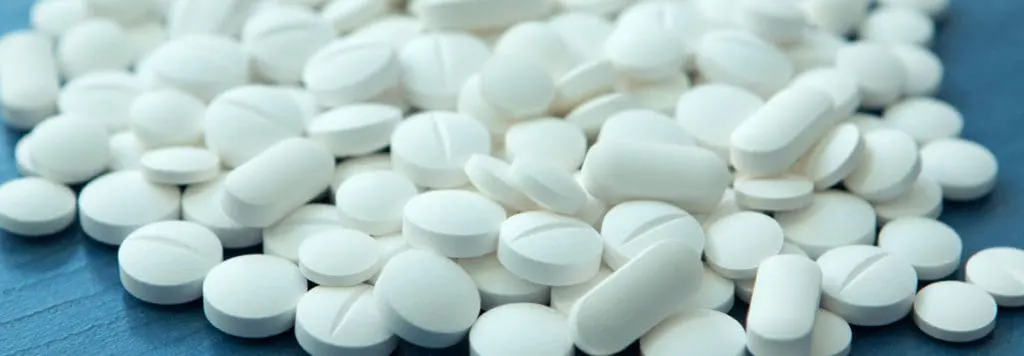
It is a central nervous system depressant, producing a calm, relaxed feeling. The pills come in many sizes and colors depending on the dose, and taking large quantities exaggerates the drug’s normal effects.
The generic name is alprazolam, sold as Xanax, XR and Niravam. It sits in the benzodiazepine family alongside Valium, Klonopin and Ativan.
- What it is
- One of the most prescribed benzodiazepines in the U.S.
- Generic name
- Alprazolam
- What it treats
- Anxiety and panic disorders
- Drug family
- Benzodiazepines, with Valium, Klonopin and Ativan
Xanax withdrawal can cause seizures and is one of the few that can kill. Never stop it on your own.
Street Names for Xanax
- Xannies or Zannies
- Benzos
- Handlebars
- Blue footballs
- Yellow Xanax Bar (R039 / P039)

About Xanax Abuse
Xanax is one of the most frequently prescribed benzodiazepines in the United States. According to the 2016 National Survey on Drug Use and Health, 6.9 percent of the population (18.7 million people) abused prescription drugs like Xanax in the past year. Although many people take Xanax for anti-anxiety purposes, it can end up being very addictive, even if it is taken as prescribed.
Physical dependence and addiction to Xanax can develop as a result of several different behaviors, including:
- Taking more Xanax than the doctor prescribed or taking it more often
- Taking someone else’s prescription
- Consuming large amounts of Xanax purely for the purpose of getting high
- Taking Xanax in a different way other than prescribed (injecting it, snorting it, taking it with other drugs or alcohol)
Abusing benzodiazepines like Xanax can also easily lead to overdose, especially if large amounts are taken with other depressants like alcohol.

Physical Effects of Xanax Abuse
Short-term effects of Xanax abuse may include:
- Relief of anxiety
- Drowsiness
- Sleepiness
- Nausea
- Constipation
- Headache
- Dizziness
- Irritability
- Constipation
Long-term effects of Xanax abuse may include:
- Learning and memory problems
- Coordination problems
- Depression
- Hallucinations
- Aggressive behavior
- Delusions
- Overdose
- Dependency
- Addiction
Although many of the short and long-term effects of Xanax abuse are unpleasant, Xanax abuse continues to be common because the pleasurable effects are felt almost instantly. This makes many people want to take more and more of them, and they eventually develop a tolerance to the drug.

What Xanax Addiction Looks Like
Xanax is not intended for long-term use so chronic misuse of this drug can result in physical dependence and/or addiction. A person may even become addicted after as little as two weeks. In fact, 40 percent of people who take benzodiazepines every day for six weeks or more will develop an addiction.
You may be unsure if you or a loved one is addicted to Xanax, but there are certain behavioral and psychological signs you can look for. Common signs of Xanax addiction include:
- Needing higher doses of Xanax to feel the same effects
- Experiencing withdrawal effects after discontinuing Xanax use
- “Doctor shopping” to get more Xanax
- Feeling like you need to take more Xanax than was prescribed
- Isolating yourself from friends and family

Xanax Detox and Withdrawal
If a person is physically dependent or addicted to Xanax, he or she will experience uncomfortable withdrawal symptoms when all Xanax use is discontinued. Common withdrawal symptoms include:
- Sweating
- Seizures
- Diarrhea
- Insomnia
- Tremors
- Anxiety
- Panic
- Paranoia
- Loss of appetite
- Blurry vision
- Aching muscles
- Heart palpitations
Drug withdrawal of any kind should never be attempted on your own at home, as it can be very unpredictable and dangerous. If you are addicted to Xanax and are trying to get sober, the safest and most comfortable way to do so is with a medically-assisted detox program.
Medical detox programs provide 24/7 medical assistance and individualized programs to address your specific needs. This process involves a comprehensive physical assessment that will determine your physical and psychological needs during detox.
Completing a medically-assisted drug detox program also reduces the likelihood of relapse because clients have consistent professional support through each stage of the detox process. They are also housed in a clinical environment throughout the duration of detox, so they are less likely to be tempted to give in to cravings and use any drugs that are present in the home environment.

Xanax Withdrawal Timeline
Xanax withdrawal will be different for each person who experiences it and the symptoms experienced, as well as the timing in which they appear, varies greatly. This timeline is an approximate estimation of what you may experience during Xanax detox.
24-72 hours after the last dose: Withdrawal symptoms may be at their worst during the first few days. A person may experience nausea, vomiting, mood swings, insomnia, and increased heart rate. They are also at increased risk for seizure during this time period.
4-7 days after the last dose: Insomnia, irritability, depression, and cravings may continue during this time and a person’s heart rate may continue to race.
2-4 weeks after the last dose: Some emotional symptoms of withdrawal may continue and insomnia is also common. Most of the severe physical symptoms will be gone at this point, but anxiety is common and may continue for months or even years after detox is complete.

Long-Term Rehab for Xanax Addiction
While a medically-assisted detox program will address the physical aspects of addiction, drug and alcohol rehab will address the psychological and behavioral aspects of addiction. In rehab, clients will address deeply rooted personal issues and learn how to make lifestyle changes that will help them maintain their sobriety and replace old, unhealthy habits with new ones.
According to the National Institute on Drug Abuse, long-term addiction treatment of 90 days or longer will provide the best opportunity for lasting sobriety. In contrast, a 30-day program may not provide adequate time and support necessary to truly make the behavioral and psychological changes needed to overcome addiction.
During long-term drug rehab, clients will attend educational sessions, 12-step support group meetings, and group and individual counseling. This time will be spent learning about and implementing relapse prevention strategies, gaining life skills, and working through the 12-step recovery program. This is also a very important time in which clients will begin establishing a recovery support system of peers, counselors, and recovery specialists.

Inpatient Drug Rehab vs. Outpatient Drug Rehab
There are two main types of drug and alcohol rehab: inpatient rehab and outpatient rehab. When a client enrolls in inpatient rehab, he or she will live on-site at the rehab center for the duration of the program. Inpatient programs provide more overall structure, as clients must adhere to a daily schedule and contact with the outside world is limited.
Outpatient rehab, on the other hand, gives clients the ability to attend rehab while living at home, working, and/or attending school. Programs are comprised of eight weeks or more of group sessions that focus on addiction education, relapse prevention, and the 12-step program.
Choosing the right type of addiction treatment program will depend on your personal needs or the needs of your loved one.
The cost of drug and alcohol rehab will vary depending on several different factors, but clients may pay for treatment with various options such as:
- Medical insurance
- Private loans
- Employee Assistance Programs (EAPs)
- Out-of-pocket payments

Continued Care Options for Xanax Addiction Treatment
Xanax addiction is something that will take consistent effort and time to overcome. Once a person has completed drug detox and rehab, he or she may also choose to continue treatment with additional recovery support programs like sober living or aftercare. Both types of programs are ideal for rehab alumni who are seeking continued support in their sobriety.

Sober Living Programs
Sober living programs (also referred to as transitional living or transitional housing programs) provide structured, safe, and sober living environments for men and women who are recovering from addiction. Many sober living homes also provide recovery support services like employment and education assistance, drug and alcohol testing, personal monitoring programs, and tiered recovery programming to help residents maintain their sobriety.
Although sober living programs are less structured than rehab, they are ideal for clients in all stages and recovery and can provide the essential peer support that is needed make the transition from a life of addiction into an independent life of recovery.
The overall cost of a sober living program will vary, depending on the location, the type of sober living home, and the recovery services offered.

Aftercare Programs
Aftercare programs specifically support rehab alumni as they continue their sobriety journey. These programs include regular group meetings held in a safe, clinical setting. During weekly meetings, clients check in on their sobriety and discuss personal issues and challenges with others in recovery.
Aftercare programs are perfect for individuals who need continued support to prioritize their recovery after completing a drug and alcohol rehab program.
References:
- https://www.samhsa.gov/sites/default/files/topics/data_outcomes_quality/nsduh-ppt-09-2017.pdf
- NIDA: Benzodiazepines opioids
- https://www.addictioncenter.com/benzodiazepines/xanax/
Nova Recovery Center offers a large range of substance abuse treatment services: detox, residential, outpatient and sober living.
Ready to take the next step?
Contact Us For Help
100% Free & Confidential
Ready to take the next step?
Treatment Options
Treatment Locations
Call (512) 605-2955 to verify your benefits.
Call Us Now and Begin Healing at (512) 605-2955
Or text us and we will call you right back.
Not quite ready for a call? You can fill out our insurance verification form.

What Makes Us Different
- Gender-specific treatment
- Evidenced-based treatment
- 12-Step immersion
- 90-day residential treatment
- Family program
- Full continuum of care
- Insurance and private pay
Ready to take the next step?
100% Confidential Guarantee
Confidential Consultation
Nova Recovery Center is dedicated to helping you or your loved one get help. Please call or fill out this form for a confidential consultation.
One of our understanding, dedicated advisors will contact you about your options. Begin healing today.
Nova Recovery Center is dedicated to helping you or your loved one get help. Please call or fill out this form for a confidential consultation. One of our understanding, dedicated advisors will contact you about your options. Begin healing today.
Frequently Asked Questions About Xanax
Is Xanax addictive?
Yes. Xanax is not intended for long-term use, and chronic misuse can lead to physical dependence, addiction or both. As this page notes, a person may become addicted after as little as two weeks, and 40 percent of people who take benzodiazepines every day for six weeks or longer go on to develop an addiction.
What are the signs of Xanax addiction?
The behavioral and psychological signs described on this page include needing higher doses to feel the same effects, experiencing withdrawal symptoms after stopping, visiting several doctors to obtain more prescriptions, feeling a need to take more than was prescribed, and withdrawing from friends and family.
Can you detox from Xanax at home?
It is not safe to try. Withdrawal from any drug can be unpredictable and dangerous when attempted alone, and Xanax withdrawal in particular carries a raised risk of seizure in the first few days. A medically assisted detox program provides 24-hour medical supervision and a physical assessment that shapes the plan around your needs.
How long does Xanax withdrawal last?
It differs for everyone, and the timeline on this page is an approximation rather than a schedule. Symptoms are often at their worst 24 to 72 hours after the last dose; insomnia, irritability, depression and cravings may continue through days four to seven; and some emotional symptoms and insomnia can persist for two to four weeks. Anxiety may continue well beyond that.
What is Xanax prescribed for?
Doctors prescribe Xanax, the brand name for alprazolam, for anxiety and panic disorders including generalized anxiety disorder, social anxiety disorder and various phobias. It is a central nervous system depressant and sits in the benzodiazepine family alongside Valium, Klonopin and Ativan.
Is Xanax hard to get off of?
Someone who is physically dependent on Xanax will get withdrawal symptoms when they stop, and those can include seizures, tremors, panic, paranoia and heart palpitations. The page is direct about what follows from that: withdrawal of any kind should never be attempted alone at home, because it is unpredictable and dangerous. A medically assisted detox is the safest route, and it also lowers the chance of relapse because support is constant.
What are the common side effects of taking Xanax?
In the short term the page lists relief of anxiety, drowsiness, sleepiness, nausea, constipation, headache, dizziness and irritability. Over the longer term it lists learning and memory problems, coordination problems, depression, hallucinations, aggressive behavior, delusions, overdose, dependency and addiction.
Talk to someone today
Ready when you are
Admissions are answered 24 hours a day by a person, not a queue. We will check your benefits for free and tell you what treatment would actually cost.
Free and confidential · No obligation