

Drug & Substance Guide
Addiction Help: Understand the Effects, and Find Treatment That Works
Admissions answered 24 hours a day · Free and confidential
Excellent 4.6 out of 5 434 Google reviews across our locations



What clients say
Trusted by clients across Texas
4.6 from 434 Google reviews across 9 locations
Across Nova Recovery Center, Briarwood Detox Center and Eudaimonia Recovery Homes
★★★★★
“Nova is far from perfect, and some of the information can be misleading. But if you want to cover the 12 Steps while enjoying good food and a beautiful scenic view, this is the place for you. The…”
10 months ago · Wimberley
★★★★★
“I did 90 days at Nova Recovery 6 years ago. I am still sober today. And living a life I could have never imagined. The people and the program they are running impacted me for a lifetime. Better than…”
2 years ago · Wimberley
★★★★★
“I went to Nova almost 9 months ago and I wouldn’t change it for the world. The staff when I first entered were very nice and welcoming. As a 19 year old that didn’t know what I was getting myself…”
2 years ago · Austin
★★★★★
“Nova Recovery Center has been an invaluable part of my journey to sobriety. The intensive inpatient program, coupled with the unwavering support and guidance from my recovery specialist, Mark Rector…”
2 years ago · Austin


★★★★★
“I had such a positive experience at Nova Recovery in Wimberley! The staff genuinely cares and went above and beyond to support me every step of the way. The peaceful setting made it easier to focus…”
a year ago · Wimberley
★★★★★
“I love Nova so freaking much. Nova has saved my life in more ways than one. I was hopeless and had no solution suffering from this disease. The staff there never gave up on me. I was the worst client…”
2 years ago · Austin
★★★★★
“I know Mark rector is non-binary however it saved my life and it did a good job with CPR and I don't know how aside from staying sober I could ever repay it thank you Mr or Mrs or whatever you're…”
8 months ago · Austin
★★★★★
“It's been a few years since I was a patient at Nova Recovery Center. Recently I have been reflecting on my time there and how incredibly grateful I am for the experience I had. I have been to 7 rehab…”
2 years ago · Austin


Exceptional standards, backed by credible organizations
Our affiliations and accreditations
Where to start with addiction help
Addiction reaches physical health, mental well-being, relationships and finances, and recognizing the signs early improves the odds of recovery.
The treatment options with evidence behind them are detox, inpatient rehab, outpatient care and medication-assisted treatment.
Support groups and aftercare are what carry recovery past the program itself, and they are where relapse prevention actually happens.
- What addiction affects
- Health, mental well-being, relationships, finances
- Why early matters
- Recognizing signs early improves outcomes
- Proven options
- Detox, inpatient, outpatient, MAT
- What sustains it
- Support groups and aftercare
If you are reading this for somebody else, call anyway. Most first calls here are made by a family member.

What Is Addiction?
Addiction, clinically diagnosed as a substance use disorder (SUD), is a chronic, treatable medical condition that changes the brain’s reward, stress, and self‑control systems. These changes make stopping difficult even when there are serious consequences. Addiction can involve alcohol, prescription medications, or illicit drugs, and it often co‑occurs with mental health conditions like anxiety or depression. It is not a moral failing; it’s a medical condition, and effective help exists.

How Addiction Affects the Brain
Repeated exposure to alcohol or drugs can alter circuits linked to motivation, memory, and decision‑making. These adaptations flatten normal rewards and amplify cravings, which is why cutting back can feel hard without support. Understanding this biology is empowering: it explains symptoms and points to treatments, behavioral therapies and medications, that help restore balance.











The Effects of Addiction
Addiction impacts health, mood, relationships, safety, and finances. While specifics vary by substance and person, three evidence‑backed buckets capture the main addiction effects:

Warning Signs & Symptoms
Recognizing signs of addiction early helps. Look for: using more or longer than intended; unsuccessful attempts to cut down; strong cravings; spending significant time obtaining/using/recovering; neglecting responsibilities; using despite harm; and experiencing withdrawal when cutting back. Behavioral changes (secrecy, social withdrawal), mood shifts (irritability, anxiety), and physical changes (sleep, weight) often appear together.
We accept most major insurance
Most major insurance covers treatment here
We'll check your benefits for free and tell you what you'd actually pay, before you commit to anything.
















Takes about 2 minutes · No obligation · Or call (512) 605-2955
Don't see yours? We work with more plans than we can show here.
VERIFY YOUR INSURANCE | 100% CONFIDENTIAL

How to Start Today (Step‑by‑Step)
- Call (512) 605-2955.Ask about detox, outpatient vs. inpatient, waitlists, and payment options (insurance, sliding‑scale, state‑funded).
- Schedule an assessment.A primary‑care or behavioral health clinician can recommend the right level of care and whether MAT is appropriate.
- Make a plan you can keep.Ask programs which therapies they use, their aftercare plan, how they include family/support people, and how outcomes are measured. For alcohol‑focused care, preview NIAAA’s Alcohol Treatment Navigator to learn how to evaluate quality.
- Loop in one trusted person.Social support improves follow‑through. Ask for help with logistics (rides, paperwork) and encouragement.

Cost, Insurance & Practical Considerations
Cost should not block care. Many programs accept insurance, provide payment plans, or offer sliding‑scale fees. Public resources and state helplines can connect you to low‑ or no‑cost treatment if you’re uninsured. The U.S. government’s portal summarizes helplines, facility search, and pointers to quality treatment checklists.

Help for Families & Friends
You don’t have to navigate this alone. Learn about SUD, set healthy boundaries, and seek support (family therapy, peer groups). When communication stalls or safety is a concern, a professional intervention can help a loved one accept treatment, and family‑focused education can significantly improve engagement and outcomes.
Conversation tips: Use “I” statements; avoid blame; focus on safety and next steps; offer concrete help (making a call, attending the first appointment).
Freedom Starts Here. Take Back Your Life Today.
Same-Day Admissions in Austin Available.
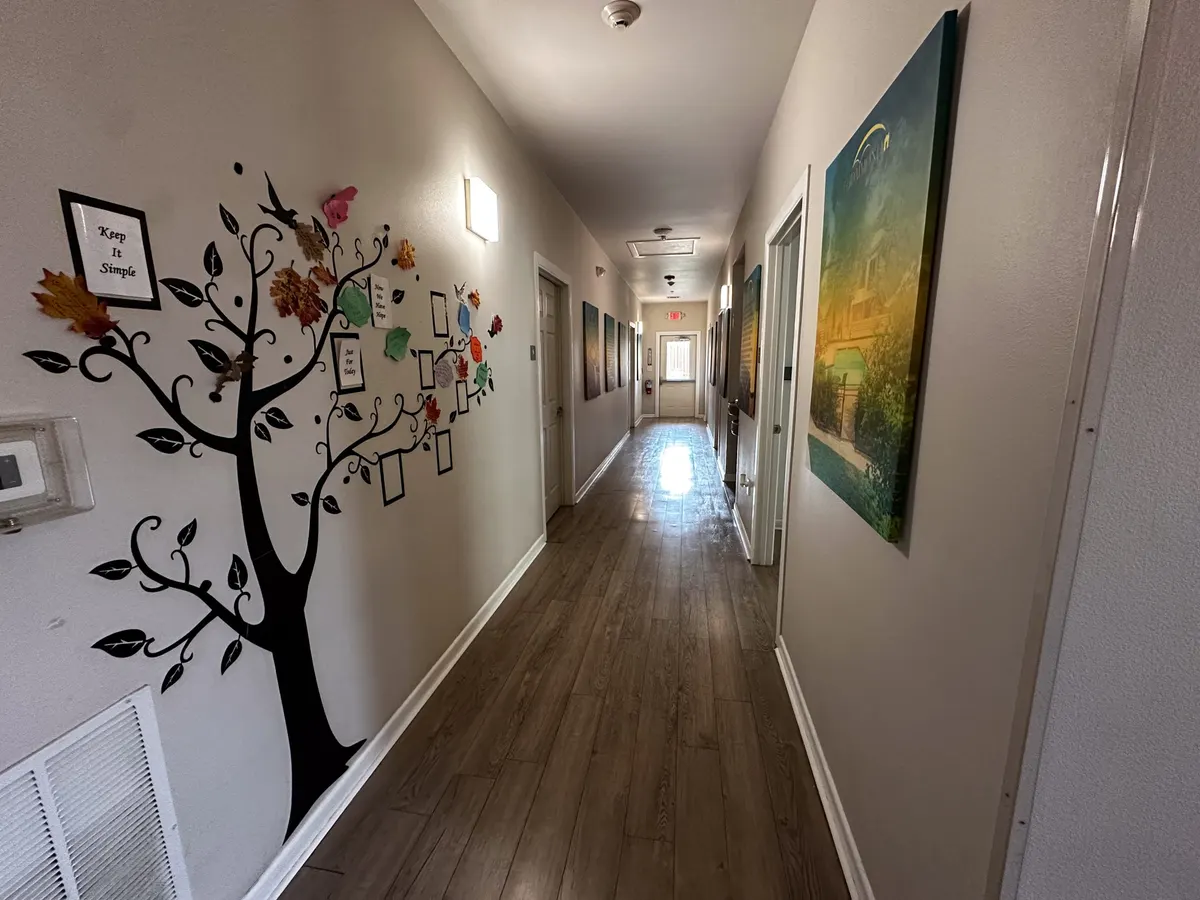
You Can Recover: Let’s Begin
At Nova Recovery Center, we understand that seeking addiction help can feel overwhelming, which is why we provide compassionate, evidence-based care every step of the way. Our programs begin with a thorough assessment to ensure each client receives a personalized treatment plan designed to address the unique effects of addiction on the body, mind, and relationships. We offer a full continuum of care, including medical detox, inpatient rehab, outpatient programs, and sober living support, so clients have the resources they need at every stage of recovery.
Medication-assisted treatment (MAT) is available when appropriate, paired with proven therapies such as cognitive behavioral therapy and motivational interviewing. Our team also prioritizes relapse prevention and aftercare planning to help clients build sustainable recovery skills. Families are encouraged to take part in the healing process through education and support services that strengthen relationships. With locations across Texas, Nova Recovery Center makes it easier for people to access care close to home.
By combining clinical expertise with a supportive recovery community, we help individuals move from simply seeking addiction help to achieving long-term sobriety and renewed hope for the future.
Get help today. Reach out now to start your path to healing.
Common Questions About Addiction Help and Its Effects
How does addiction affect a person?
Addiction affects people physically, mentally, and socially. It can damage organs, disrupt brain chemistry, trigger anxiety or depression, and lead to relationship and financial struggles.
What are the effects of being addictive?
Being addicted often means compulsive behaviors, loss of control, tolerance, and withdrawal symptoms. Over time, it impacts decision-making, emotional stability, and overall quality of life.
What are the 5 effects of substance abuse?
The five common effects are: 1) physical health decline, 2) psychological disorders, 3) damaged relationships, 4) financial/legal issues, and 5) increased risk of overdose or death.
What is it like living with a drug addict?
Living with someone struggling with addiction can be emotionally draining and unpredictable. Families often face stress, conflict, and trauma, highlighting the need for support systems and counseling.
What are the cognitive effects of addiction?
Addiction can impair memory, decision-making, problem-solving, and impulse control. Long-term use may permanently alter brain function, especially in young people.
What are the 5 C’s of addiction?
The 5 C’s are: Craving, Compulsion, Control loss, Continued use despite consequences, and Chronic disease. They help define addictive behavior.
What does a drug addict’s brain look like?
Brain scans show changes in reward, stress, and self-control circuits. These alterations make it harder to feel pleasure naturally and easier to relapse without treatment.
What part of the brain affects addiction?
Addiction primarily impacts the prefrontal cortex (decision-making), the limbic system (reward and emotion), and dopamine pathways.
How does addiction impact the family?
Addiction disrupts trust, finances, and communication in families. Children and partners often experience emotional trauma and may develop mental health struggles of their own.
What are three ways children can be impacted by addiction in a family?
Children may suffer emotional neglect, instability in their home environment, and higher risk of developing substance use issues later in life.
How can you help someone who is addicted to substances?
Start by knowing what you are looking at. The page covers the warning signs and symptoms, who is at risk, and the physical, psychological, social, legal and financial effects, which is what lets you raise it without guessing. Then the practical part: there is no single path, and the best results come from matching the right level of care and the right tools to the person’s needs. Medically supervised detox is the critical first step for many, and it works best when structured care and recovery supports follow it rather than standing alone.
Discover Our Drug Glossary
Everything You Need to Know...
Other Outpatient Drug and Alcohol Rehab Locations
- IOP in Austin
- IOP in San Antonio
- IOP in Colorado Springs
Keep reading
Talk to someone today
Ready when you are
Admissions are answered 24 hours a day by a person, not a queue. We will check your benefits for free and tell you what treatment would actually cost.
Free and confidential · No obligation