

Drug & Substance Guide
Addiction Effects: Short‑ & Long‑Term Impact on Health, Brain, and Life
Admissions answered 24 hours a day · Free and confidential
Excellent 4.6 out of 5 434 Google reviews across our locations



What clients say
Trusted by clients across Texas
4.6 from 434 Google reviews across 9 locations
Across Nova Recovery Center, Briarwood Detox Center and Eudaimonia Recovery Homes
★★★★★
“Nova is far from perfect, and some of the information can be misleading. But if you want to cover the 12 Steps while enjoying good food and a beautiful scenic view, this is the place for you. The…”
10 months ago · Wimberley
★★★★★
“I did 90 days at Nova Recovery 6 years ago. I am still sober today. And living a life I could have never imagined. The people and the program they are running impacted me for a lifetime. Better than…”
2 years ago · Wimberley
★★★★★
“I went to Nova almost 9 months ago and I wouldn’t change it for the world. The staff when I first entered were very nice and welcoming. As a 19 year old that didn’t know what I was getting myself…”
2 years ago · Austin
★★★★★
“Nova Recovery Center has been an invaluable part of my journey to sobriety. The intensive inpatient program, coupled with the unwavering support and guidance from my recovery specialist, Mark Rector…”
2 years ago · Austin


★★★★★
“I had such a positive experience at Nova Recovery in Wimberley! The staff genuinely cares and went above and beyond to support me every step of the way. The peaceful setting made it easier to focus…”
a year ago · Wimberley
★★★★★
“I love Nova so freaking much. Nova has saved my life in more ways than one. I was hopeless and had no solution suffering from this disease. The staff there never gave up on me. I was the worst client…”
2 years ago · Austin
★★★★★
“I know Mark rector is non-binary however it saved my life and it did a good job with CPR and I don't know how aside from staying sober I could ever repay it thank you Mr or Mrs or whatever you're…”
8 months ago · Austin
★★★★★
“It's been a few years since I was a patient at Nova Recovery Center. Recently I have been reflecting on my time there and how incredibly grateful I am for the experience I had. I have been to 7 rehab…”
2 years ago · Austin


Exceptional standards, backed by credible organizations
Our affiliations and accreditations

At a Glance: Addiction Effects
- Short-term effectsImpaired judgment, memory lapses, risky behaviors, and overdose risk.
- Long-term effectsChronic diseases (heart, liver, lung), brain changes, and persistent mental health issues.
- Cognitive impactsMemory problems, reduced focus, and decision-making difficulties.
- Family & social effectsStrained relationships, financial stress, and legal problems.
- Recovery potentialMany effects improve with treatment, time, and structured support.
What counts as an addiction effect
Addiction effects are the measurable ways substance use disorders, and some behavioral addictions, change the brain, the body and daily life.
They can be short term, over hours to days, or long term, over months to years, and they usually appear in several places at once: physical health, mental health, thinking, relationships, work or school, and money.
Medical sources describe addiction as a chronic condition involving changes to the brain circuits responsible for reward, stress and self-control. Those changes explain many of the downstream effects, and why quitting is difficult without support.
- Short term
- Impaired judgment, memory lapses, overdose risk
- Long term
- Chronic disease, brain changes, mental health
- Beyond health
- Relationships, finances, legal problems
- Reversible?
- Many effects improve with treatment
The effects below are grouped by domain. If any of them describe someone you know, the line is confidential.
Addiction effects vary by substance (alcohol, opioids, stimulants, cannabis, sedatives), by dose and frequency, route of administration (e.g., injection), age, genetics, and co‑occurring mental or physical conditions. Even so, several patterns are common across substances:
A tendency toward compulsive use despite harm (core diagnostic element).
Short‑term intoxication that impairs judgment, reaction time, coordination, and decision‑making.
Cumulative health risks that rise as use continues (e.g., cardiovascular, liver, lung, infection risk).
Social and family impacts, including conflict, financial strain, and disrupted roles.










Short‑term vs. long‑term effects

At a glance:
Short‑term effects (minutes to days): intoxication‑related changes (euphoria, sedation, agitation), impaired judgment and coordination, blackouts, risky behaviors, accidents, acute toxicity/overdose.
Long‑term effects (months to years): brain circuit adaptation, worsening mental health, cognitive deficits, chronic diseases (cardiovascular, liver, lung), infections (HIV, hepatitis with certain routes), social/financial instability, and increased mortality risk.

Short‑term effects
Short‑term effects differ by substance but often include changes in consciousness, disinhibition, impaired memory, altered judgment, and slowed or, for stimulants, sped‑up reaction times, which elevates risk for injuries and accidents. In the short run, people may feel more social or relaxed (alcohol, cannabis), intensely energized (stimulants), or very sedated (opioids, benzodiazepines), but those effects come with compromised decision‑making and safety risks.

Long‑term effects
With repeated use, the brain and body adjust. Over time, addiction can increase risks for heart disease, stroke, liver disease, lung disease, cancers, and infections, and it often co‑occurs with mental health disorders. Long‑term effects also include cognitive changes (learning, memory, attention, executive function) that can affect work, school, and relationships, though some recovery is possible with sustained abstinence and treatment.
How addiction changes the brain (and what can heal)
Physical effects by body system
Mental health & cognitive effects
Social, family, and financial effects
We accept most major insurance
Most major insurance covers treatment here
We'll check your benefits for free and tell you what you'd actually pay, before you commit to anything.
















Takes about 2 minutes · No obligation · Or call (512) 605-2955
Don't see yours? We work with more plans than we can show here.
Freedom Starts Here. Take Back Your Life Today.
Same-Day Admissions in Austin Available.

Addiction Effects in Austin, TX
Austin sees the same short- and long-term effects of addiction we outlined above (brain changes, cardiovascular and liver risks, mental health symptoms, and family strain) but local data trends also show heightened concerns around polysubstance use and fentanyl-adulterated stimulants. For residents in Travis County and the Greater Austin area, the most important steps are early screening, evidence-based treatment, and continuous recovery support.

What to watch for locally
Repeated blackouts, memory issues, or mood swings that impact work in Downtown Austin, Domain/North Austin, or the tech corridor.
Withdrawal symptoms in the mornings or between classes (UT Austin, ACC).
Rising legal/financial stress (DUIs along I-35/MoPac; housing or employment disruptions).
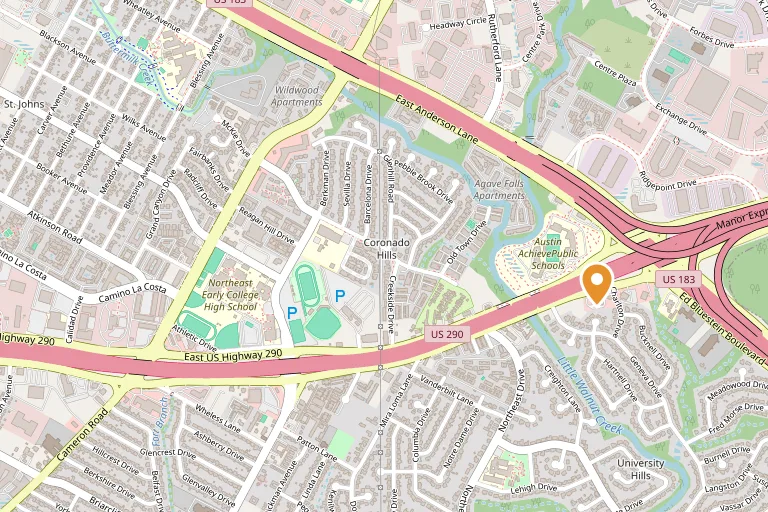
Outpatient
Nova Recovery Center Drug and Alcohol Rehab - Austin, TX
7501 E Hwy 290, Austin, TX 78752
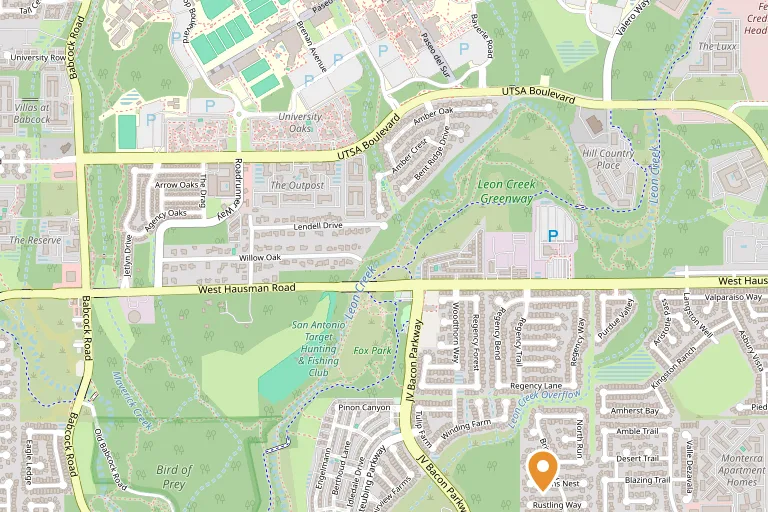
Outpatient
Nova Recovery Center Drug and Alcohol Rehab - San Antonio, TX
6707 W Hausman Rd, San Antonio, TX 78249

Care pathway we recommend
Drug and Alcohol Detox San Antonio (especially for alcohol/benzo withdrawal risk)
Step-down to:
with relapse-prevention skills and family programming.
Aftercare and alumni support to maintain gains over time.

Addiction Effects in Houston, TX
Houston, one of the largest metropolitan areas in Texas, faces significant challenges from substance use. The effects of addiction in Houston often include the same short- and long-term harms seen nationwide (brain changes, cardiovascular strain, liver disease, and mental health issues) but local patterns also highlight the rise of opioids, methamphetamine, and polysubstance use. These trends intensify risks for overdose, hospitalization, and long-term cognitive decline.

Houston-specific signs of addiction effects:
- Short-termblackouts, impaired coordination while driving along I-45 or 610, ER visits in the Texas Medical Center for overdose or alcohol poisoning.
- Long-termpersistent high blood pressure, liver function problems, depression, and memory loss that disrupt work in Houston’s energy sector, port industries, or universities.
- Family impactstress on households in diverse neighborhoods from The Heights to Katy, often with financial strain and relationship conflict.
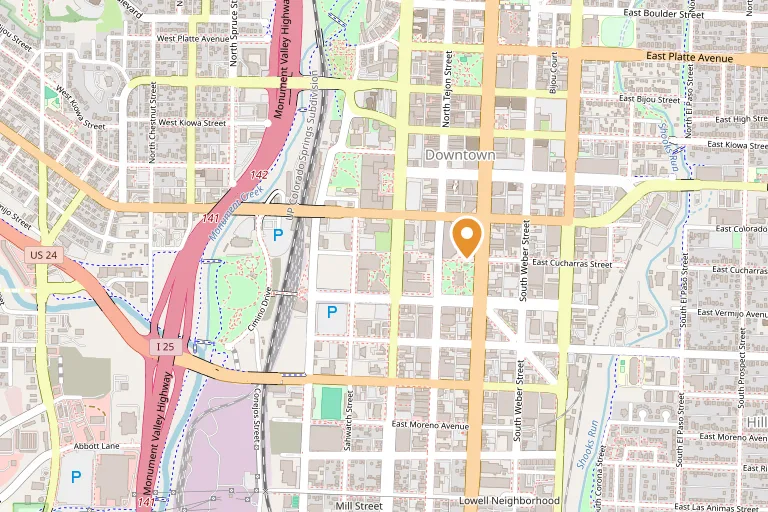
Nova Recovery Center Colorado Springs

Eudaimonia Recovery Homes Philadelphia

Care pathway
Detox referrals where indicated, followed by residential/IOP/outpatient programs and peer support.
Family engagement and case management to stabilize in Sober Living Philadelphia, employment and reduce relapse risk.

You Can Recover: Let’s Begin
At Nova Recovery Center, we understand that the effects of addiction reach far beyond substance use itself, impacting the brain, body, and every part of daily life. Our evidence-based treatment programs are designed to address both the physical effects of addiction, such as withdrawal symptoms and health complications, and the mental effects, including depression, anxiety, and memory loss. We provide a full continuum of care (from medical detox referrals to residential treatment, intensive outpatient programs, and sober living) so clients receive support at every stage of recovery.
Our licensed professionals use therapies proven to help reverse the cognitive and psychological effects of addiction while also teaching relapse-prevention skills. We also prioritize the social and family effects of addiction by offering family involvement programs that rebuild trust and improve relationships. Every treatment plan is customized, recognizing that the consequences of addiction vary depending on the substance, duration of use, and individual health. With structured recovery support and long-term aftercare, Nova Recovery Center helps clients regain stability in their careers, families, and communities. Our mission is to treat addiction and help individuals reclaim their lives and reduce the lasting impact of substance use.
Get help today. Reach out now to start your path to healing.
Frequently Asked Questions About Addiction Effects
What are the short‑term effects of addiction?
Intoxication can bring euphoria or sedation but usually impairs judgment, memory, and coordination, raising risk of accidents and injuries.
What are the long‑term effects of addiction?
Elevated risks for heart, liver, and lung disease, certain cancers, infections, mental health disorders, and cognitive changes (attention, memory, executive function).
How does addiction affect the brain?
It involves changes in reward, stress, and self‑control circuits, which can drive compulsive use and make quitting difficult without support.
Can the brain recover from addiction effects?
Many people experience partial recovery in cognition and mood with sustained abstinence and treatment, though timelines vary and some damage may persist.
What are the physical effects of drug addiction on the body?
Physical effects of addiction include cardiovascular strain, liver disease, lung damage, hormonal imbalance, and compromised immune function.
How does addiction affect family and relationships?
It can strain communication, roles, trust, safety, and mental health of loved ones; family‑centered supports improve outcomes.
What are the effects of alcohol addiction on the brain?
Heavy use is linked to memory impairment, reduced brain volume, and alcohol‑related brain impairment, especially with chronic exposure.
Do the effects differ by substance (opioids vs. stimulants vs. cannabis)?
Yes. Profile and severity differ (e.g., respiratory depression for opioids; cardiac/psychiatric risk for stimulants; memory/attention issues for heavy cannabis).
What increases the risk or severity of addiction effects?
Early onset, frequent/high‑dose use, high‑potency products, fast routes (smoking/injecting), and co‑occurring mental health disorders.
What are some common effects of drug addiction?
Drug addiction effects can include short-term problems like impaired judgment, memory loss, and risky behavior, as well as long-term consequences such as chronic health issues, brain changes, and strained relationships.
What are the top 10 consequences of drug abuse?
The consequences of drug abuse include: physical health decline, brain damage, mental health disorders, cognitive impairment, financial problems, legal issues, relationship breakdowns, job or academic loss, increased overdose risk, and early mortality.
What are the effects of being addicted to drugs or alcohol?
The effects of being addicted include compulsive use, withdrawal symptoms, reduced cognitive function, worsening physical health, and significant social or family strain.
What helps people recover from the effects of drug addiction?
Structured treatment, medical detox, therapy, family involvement, and long-term support programs help individuals reverse many effects of addiction and achieve recovery.
What are the long-term effects of drug addiction on health and life?
Long-term addiction effects may include heart disease, liver damage, lung problems, weakened immune system, memory loss, depression, anxiety, and loss of quality of life.
How does addiction affect a person’s life?
Addiction can disrupt careers, education, finances, and family relationships, while also increasing risks for mental health disorders, homelessness, and legal problems.
What is the trauma of living with someone struggling with addiction?
Family members often experience trauma from broken trust, emotional stress, financial strain, and fear for their loved one’s safety, all of which are significant addiction effects on the family.
Can an addict ever change and recover from the effects of addiction?
Yes, with treatment, therapy, and long-term support, many people overcome the effects of addiction and rebuild their health, relationships, and daily life.
How does drug abuse affect physical activity and performance?
Drug abuse can lower stamina, weaken muscles, disrupt sleep, impair coordination, and reduce motivation, all of which interfere with physical activity and overall wellness.
How does living with an addicted person affect you?
The page is direct about this: addiction often leads to conflict, broken trust, role strain and safety issues within families, and research shows a substance use disorder can affect a family’s emotional and behavioral patterns and worsen mental health outcomes for loved ones, including children. It strains communication, roles, trust, safety and the mental health of the people around the person. The constructive half of that finding is that family-based approaches and family-centered supports improve outcomes, for the person using and for the household.
Learn More About Addiction Topics
Everything You Need to Know...
Other Outpatient Drug and Alcohol Rehab Locations
Keep reading
- Aripiprazole (Abilify): Uses, Dosage, Side Effects, Long-Acting Injections, and Safety
- Causes of Behavioral Addictions: Risk Factors, Brain Science, and How to Lower Your Risk
- Addictive Drugs
- Adderall Addiction: Signs, Effects, and Treatment Options
- Addiction Help: Understand the Effects, and Find Treatment That Works
Talk to someone today
Ready when you are
Admissions are answered 24 hours a day by a person, not a queue. We will check your benefits for free and tell you what treatment would actually cost.
Free and confidential · No obligation