

Drug & Substance Guide
Prescription Sedatives and Tranquilizers
Admissions answered 24 hours a day · Free and confidential
Excellent 4.6 out of 5 434 Google reviews across our locations



What clients say
Trusted by clients across Texas
4.6 from 434 Google reviews across 9 locations
Across Nova Recovery Center, Briarwood Detox Center and Eudaimonia Recovery Homes
★★★★★
“Nova is far from perfect, and some of the information can be misleading. But if you want to cover the 12 Steps while enjoying good food and a beautiful scenic view, this is the place for you. The…”
10 months ago · Wimberley
★★★★★
“I did 90 days at Nova Recovery 6 years ago. I am still sober today. And living a life I could have never imagined. The people and the program they are running impacted me for a lifetime. Better than…”
2 years ago · Wimberley
★★★★★
“I went to Nova almost 9 months ago and I wouldn’t change it for the world. The staff when I first entered were very nice and welcoming. As a 19 year old that didn’t know what I was getting myself…”
2 years ago · Austin
★★★★★
“Nova Recovery Center has been an invaluable part of my journey to sobriety. The intensive inpatient program, coupled with the unwavering support and guidance from my recovery specialist, Mark Rector…”
2 years ago · Austin


★★★★★
“I had such a positive experience at Nova Recovery in Wimberley! The staff genuinely cares and went above and beyond to support me every step of the way. The peaceful setting made it easier to focus…”
a year ago · Wimberley
★★★★★
“I love Nova so freaking much. Nova has saved my life in more ways than one. I was hopeless and had no solution suffering from this disease. The staff there never gave up on me. I was the worst client…”
2 years ago · Austin
★★★★★
“I know Mark rector is non-binary however it saved my life and it did a good job with CPR and I don't know how aside from staying sober I could ever repay it thank you Mr or Mrs or whatever you're…”
8 months ago · Austin
★★★★★
“It's been a few years since I was a patient at Nova Recovery Center. Recently I have been reflecting on my time there and how incredibly grateful I am for the experience I had. I have been to 7 rehab…”
2 years ago · Austin


Exceptional standards, backed by credible organizations
Our affiliations and accreditations



What prescription sedatives are
Prescription sedatives and tranquilizers are central nervous system depressants, mainly benzodiazepines and barbiturates, used for anxiety, insomnia, panic and seizures.
They are highly effective medically and carry significant risks of tolerance, dependence and misuse when taken long-term or without supervision.
The warning signs come in three kinds: physical, such as disorientation, slurred speech and impaired coordination; behavioral, such as doctor shopping and dose escalation; and emotional, such as depression and aggression.
- What they are
- CNS depressants, mainly benzodiazepines and barbiturates
- What they treat
- Anxiety, insomnia, panic, seizures
- Behavioral warning signs
- Doctor shopping, self-medication, dose escalation
- Treatment begins with
- Supervised detox and tapering
Sedative withdrawal is one of the kinds that can kill. Tapering is a medical job, not a willpower one.

What Are Prescription Sedatives and Tranquilizers?
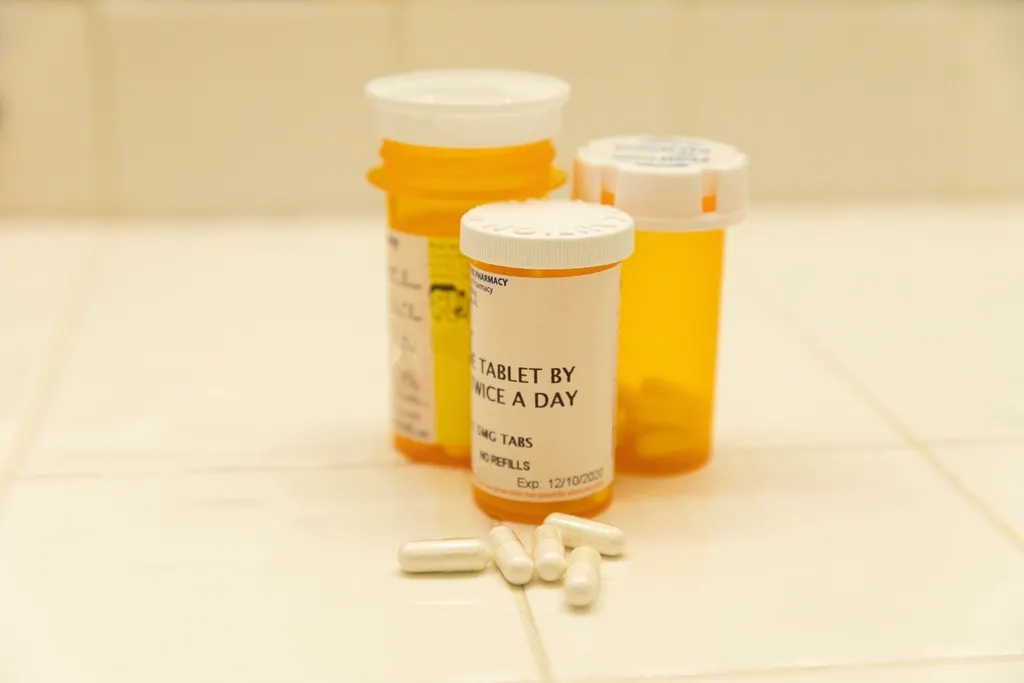
Prescription sedatives and tranquilizers are central nervous system depressants that can only be obtained with a prescription from a doctor. There are two primary types of tranquilizers and sedatives: benzodiazepines and barbiturates.
- Benzodiazepines are commonly prescribed by doctors in the U.S. They are typically used to treat anxiety, seizures, insomnia, and panic attacks. and are two common brands.
- Barbiturates are not prescribed as frequently as benzodiazepines, but they are still used in hospital and veterinary settings. They may also be prescribed to treat acute anxiety, tension, and sleep disorders. Examples of barbiturates include Phenobarbital and Mephobarbital.
Most prescription sedatives and tranquilizers are produced in tablet or capsule form, but sometimes they can be liquid. These drugs have a high risk for abuse because misusing them often results in pleasurable feelings of calmness and euphoria.











Sedative vs. Tranquilizer: What’s the Difference?
Although they are very similar, what’s the difference between sedatives and tranquilizers?
Essentially, prescription sedatives (barbiturates) are prescribed for acute anxiety, tension, and sleep disorders. On the other hand, prescription tranquilizers (benzodiazepines) are prescribed for anxiety, acute stress reactions, or panic attacks. Unlike sedatives, tranquilizers also work to stabilize mental health disorders like bipolar disorder.
Discover Our Drug Glossary
Everything You Need to Know...

Are Prescription Sedatives and Tranquilizers Addictive?
Although these substances are very effective in treating anxiety, sleep disorders, and other medical conditions, they are also very powerful and addictive. If a person misuses them on a long-term basis, he or she may suffer from dependence, addiction, and increased risk of mental problems.
How Common Is Prescription Sedative and Tranquilizer Addiction?
While a 2016 federal survey reported that nearly half of Americans aged 12 and older used prescription psychotherapeutic drugs, and that about 16% of those users (19 million people) misused them, that figure combines pain relievers, stimulants, sedatives, and tranquilizers. More recent data reveal that annual misuse of prescription sedatives or tranquilizers specifically occurs in about 1.7% of Americans aged 12 and older, approximately 4.7 to 4.9 million individuals in both 2021 and 2023.

What Are the Signs and Symptoms of Prescription Sedative and Tranquilizer Abuse?
Although common, it may not always be obvious when a person is abusing prescription sedatives or tranquilizers. Some physical signs of sedative and tranquilizer abuse and misuse may include:
- Disorientation
- Depression
- Slurred speech
- Aggressive behavior
- Suicidal thoughts and/or behaviors
- Impaired memory, judgment, or coordination
- Dilated pupils
- Dizziness
A few common behavioral signs of prescription sedative and tranquilizer abuse may include:
- Taking or buying prescriptions from a friend, family member, or stranger
- Taking a prescription in a way other than how it was prescribed
- Self-medicating with prescription sedatives and/or tranquilizers
- Taking a higher dose of the prescription than recommended
- Combining the prescription with other prescription drugs, illicit drugs, or alcohol
- Taking the prescription more frequently than recommended
- Stealing prescription sedatives or tranquilizers from a clinic, hospital, or medical facility
- Doctor shopping (visiting several different doctors to get prescriptions)
(why alcohol + Ativan (lorazepam) is especially risky)
Ready to take the next step?

What Are the Legal and Physical Consequences of Prescription Sedative and Tranquilizer Addiction?
Just as illegal drug abuse comes with consequences, misusing prescription sedatives and tranquilizers does too.
- Driving under the influence: Misusing prescription drugs can severely reduce your ability to safely operate machinery or a vehicle. Just as driving under the influence of alcohol is punishable by fines and jail time, you can also be arrested and charged with driving under the influence of prescription sedatives and tranquilizers.
- Forging prescriptions: Forging prescriptions can land you in some serious trouble and you may even face jail time of anywhere from six to 12 months or more, depending on the situation.
- Sharing prescription medications with friends: In order to legally possess a prescription sedative or tranquilizer, it must be prescribed to you by the practitioner whose name is on the bottle. Sharing prescriptions with other people is punishable by felony.
If you are convicted of a felony as a result of prescription sedative and tranquilizer abuse, you may also have problems securing employment or getting into the college of your choice in the future.
What Are the Side Effects of Prescription Sedative and Tranquilizer Abuse?
Physical effects of prescription drug abuse will vary based on the type of drug(s) abused, the frequency of abuse, and the person’s drug abuse history. Typically, long-term misuse of benzodiazepines and barbiturates will result in some of the following physical problems:
- Drowsiness
- Blurred vision
- Weakness
- Slurred speech
- Difficulty breathing
- Lack of coordination
- Confusion
- Coma
- Anxiety
- Insomnia
- Headaches
- Dependence and addiction
For a barbiturate example, see the side effects of pentobarbital.
What Are the Most Commonly Abused Prescription Sedatives and Tranquilizers?
Some of the most commonly abused prescription sedatives and tranquilizers include:
We accept most major insurance
Most major insurance covers treatment here
We'll check your benefits for free and tell you what you'd actually pay, before you commit to anything.
















Takes about 2 minutes · No obligation · Or call (512) 605-2955
Don't see yours? We work with more plans than we can show here.
VERIFY YOUR INSURANCE | 100% CONFIDENTIAL

Barbiturate Withdrawal Timeline
The barbiturate withdrawal timeline can vary based on how long and how much the person has used. Here’s a general timeline during barbiturate detox:
- Days 1–3: Mild symptoms begin, like anxiety and insomnia.
- Days 2–3: Symptoms worsen. Seizures and hallucinations may occur.
- Days 3–7: Physical symptoms start to ease. Emotional ones may linger.
- Week 2+: Lingering anxiety or mood swings may persist for some.
People with a health condition or a history of long-term use may need extended care for full stabilization.
Freedom Starts Here. Take Back Your Life Today.
Same-Day Admissions in Austin Available.

Treatment Options for Recovery
A solid treatment plan can make recovery possible. At Nova Recovery Center, we offer a full range of treatment options, including:
- Medical detox
- Inpatient programs
- Outpatient services
- Cognitive behavioral therapy (CBT)
- Behavioral therapies
- Family counseling
- Peer support groups
- Life skills development
- Holistic services (art therapy, music therapy, mindfulness)
Our approach to treatment programs is effective including when personalized to the client’s needs and supported by expert medical professionals.
Sedatives and Tranquilizers: Common Questions Answered
What is a sedative drug?
A sedative drug is a medication that slows down brain activity to help reduce anxiety, promote relaxation, or induce sleep. Sedatives are often prescribed for conditions like insomnia, panic disorders, or severe stress, but they can be addictive if misused.
What are the most common sedatives?
The most common sedatives include benzodiazepines such as Ativan, Valium, and Xanax, as well as barbiturates and non-benzodiazepine sleep aids like Ambien, Lunesta, and Sonata.
What is the strongest sedative?
Barbiturates are considered among the strongest sedatives, though they are rarely prescribed today due to high risks of dependence and overdose. In medical settings, powerful sedatives may also be used under close supervision for procedures.
What sedative puts you to sleep?
Medications like Ambien, Lunesta, and Sonata are commonly prescribed as sleep-inducing sedatives. These drugs act on the brain to help patients fall asleep, but they can cause dependence if taken long-term without medical guidance.
What are sedatives drugs?
Sedative drugs are a category of central nervous system depressants that include tranquilizers, benzodiazepines, and certain sleep medications. They are designed to reduce nervous system activity, making users feel calmer and drowsier.
What is the most used tranquilizer?
Benzodiazepines such as Valium (diazepam) and Xanax (alprazolam) are the most frequently used tranquilizers. They are often prescribed to manage anxiety disorders and insomnia.
What is an example of a tranquilizer?
Examples of tranquilizers include Ativan (lorazepam), Valium (diazepam), and Klonopin (clonazepam). These medications are commonly prescribed for anxiety, panic attacks, and sleep disturbances.
What is the difference between a tranquilizer and a sedative?
The terms sedative and tranquilizer are often used interchangeably. Generally, a tranquilizer refers to medications that calm anxiety, while sedatives are used to promote sleep or relaxation. Many drugs, like benzodiazepines, function as both.
What do doctors use to sedate a patient?
Doctors may use benzodiazepines, barbiturates, or anesthetic sedatives depending on the medical procedure. These drugs are carefully dosed to ensure patient safety and effectiveness.
What sedative is good for anxiety?
Benzodiazepines like Xanax, Valium, and Ativan are often prescribed to manage short-term anxiety. However, due to risks of dependence, doctors may also recommend alternatives such as antidepressants or therapy for long-term treatment.
Other Outpatient Drug and Alcohol Rehab Locations
- IOP in Austin
- IOP in San Antonio
- IOP in Colorado Springs
Not sure where you stand?
Detox from sleep medication
Talk to someone today
Ready when you are
Admissions are answered 24 hours a day by a person, not a queue. We will check your benefits for free and tell you what treatment would actually cost.
Free and confidential · No obligation