

Drug & Substance Guide
Modafinil
Admissions answered 24 hours a day · Free and confidential
Excellent 4.6 out of 5 434 Google reviews across our locations



What clients say
Trusted by clients across Texas
4.6 from 434 Google reviews across 9 locations
Across Nova Recovery Center, Briarwood Detox Center and Eudaimonia Recovery Homes
★★★★★
“Nova is far from perfect, and some of the information can be misleading. But if you want to cover the 12 Steps while enjoying good food and a beautiful scenic view, this is the place for you. The…”
10 months ago · Wimberley
★★★★★
“I did 90 days at Nova Recovery 6 years ago. I am still sober today. And living a life I could have never imagined. The people and the program they are running impacted me for a lifetime. Better than…”
2 years ago · Wimberley
★★★★★
“I went to Nova almost 9 months ago and I wouldn’t change it for the world. The staff when I first entered were very nice and welcoming. As a 19 year old that didn’t know what I was getting myself…”
2 years ago · Austin
★★★★★
“Nova Recovery Center has been an invaluable part of my journey to sobriety. The intensive inpatient program, coupled with the unwavering support and guidance from my recovery specialist, Mark Rector…”
2 years ago · Austin


★★★★★
“I had such a positive experience at Nova Recovery in Wimberley! The staff genuinely cares and went above and beyond to support me every step of the way. The peaceful setting made it easier to focus…”
a year ago · Wimberley
★★★★★
“I love Nova so freaking much. Nova has saved my life in more ways than one. I was hopeless and had no solution suffering from this disease. The staff there never gave up on me. I was the worst client…”
2 years ago · Austin
★★★★★
“I know Mark rector is non-binary however it saved my life and it did a good job with CPR and I don't know how aside from staying sober I could ever repay it thank you Mr or Mrs or whatever you're…”
8 months ago · Austin
★★★★★
“It's been a few years since I was a patient at Nova Recovery Center. Recently I have been reflecting on my time there and how incredibly grateful I am for the experience I had. I have been to 7 rehab…”
2 years ago · Austin


Exceptional standards, backed by credible organizations
Our affiliations and accreditations
What modafinil is
Modafinil is a prescription central nervous system stimulant that helps people stay awake, concentrate and fight fatigue, most commonly prescribed for narcolepsy and shift work sleep disorder.
It is also prescribed off-label for ADHD, for airline pilots, and for the fatigue that comes with conditions such as cancer and multiple sclerosis.
Researchers are not certain how it works. The accepted explanation is that it stimulates production of monoamines including dopamine, and the page notes it acts on the same dopamine centers as cocaine and the amphetamines do.
- What it is
- A prescription CNS stimulant (Provigil)
- Approved uses
- Narcolepsy and shift work sleep disorder
- How it works
- Not fully understood; thought to raise monoamines
- Physical dependence
- Very rare, per the page
Modafinil is most often misused to work longer rather than to get high. That is still worth a conversation.
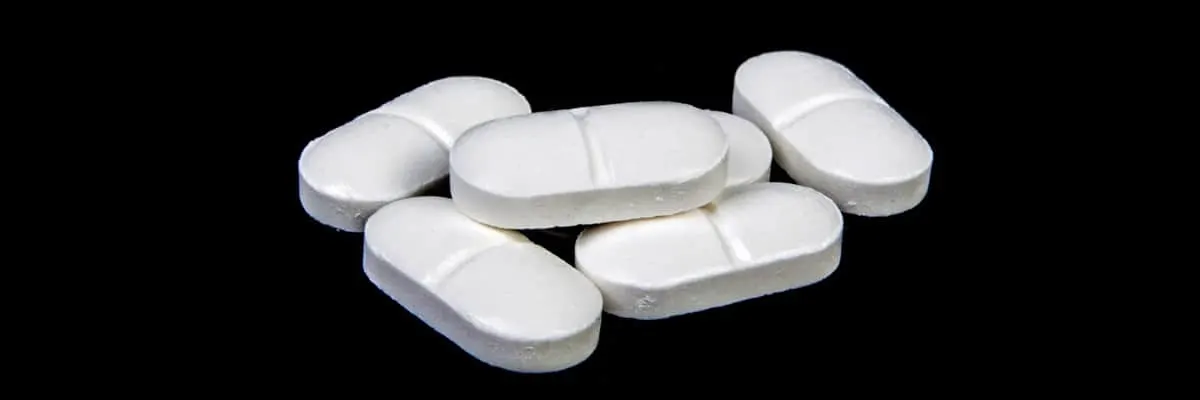
Researchers aren’t exactly sure how modafinil works, but they believe it stimulates the production of monoamines (a class of neurotransmitters), which includes dopamine, noradrenaline, and serotonin. Although modafinil is a highly effective prescription medication, it has the same effect on dopamine centers of the brain as cocaine, methamphetamine, and amphetamines do.1 Like other stimulants, it also causes psychoactive and euphoric effects, which influence a person’s moods, thoughts, emotions, and perceptions.
Not surprisingly, due to its ability to stimulate the brain, enhance focus and concentration, reduce appetite, and greatly reduce the need for sleep, modafinil is commonly abused non-medically without a prescription.
In the United States, modafinil is sold under the brand name Provigil. The medication is produced in tablet form (100mg or 200 mg tablets) and is intended to be taken once daily. Generally, it is well-tolerated by most people and clinical evidence shows Provigil may cause mild withdrawal symptoms in some patients, although physical dependence from modafinil use or abuse is very rare.
Although other similar stimulants like Adderall are regarded as being significantly more dangerous when it comes to their potential for abuse, modafinil (Provigil) is a Schedule IV drug in the United States, which means it does have the potential to be abused and it may cause physical or psychological dependence in some individuals.

Is Modafinil Addictive?
Some research suggests that modafinil (Provigil) may have some potential for addiction and abuse. One study from the Journal of the American Medical Association found that modafinil’s method of action is similar to that of very addictive drugs like meth and cocaine.1 This suggests that people with a history of substance abuse problems may be more prone to modafinil abuse as well.
Research has also proven that modafinil dependence is possible, although rare.2 The case study’s findings provide evidence that Provigil can produce mild tolerance, which means some people may abuse it to achieve the same effects they felt at lower doses. As a result, they might develop feelings of psychological or physical dependence.
Also, more and more high school and college students, working professionals, and others are beginning to abuse modafinil as a cognitive enhancer. Unfortunately, modafinil has gained a reputation as another smart drug with the ability to improve cognitive performance. However, although Provigil will increase concentration, much like a few cups of coffee can, it is not a wonder drug. In fact, when it’s abused in large doses, it can actually have the opposite effect and may make a person more distractible.

About Modafinil (Provigil) Abuse and Addiction
Modafinil is commonly abused as a study drug by students, professionals, and others who are looking to fight fatigue and stay awake longer as well as enhance their focus and concentration. Although Provigil is a milder prescription stimulant than Adderall or others, it may still have the potential to cause psychological dependence if it’s abused.
The 2018 National Survey on Drug Abuse reports that prescription stimulant abuse is a big problem in the U.S. In 2018 alone, about 5.1 million Americans misused prescription stimulants like Provigil in the past year.3
What Are the Side Effects of Modafinil Abuse?
Modafinil can sometimes cause unwanted side effects. If a student or young person is using Provigil without a prescription, he or she may experience some of the following side effects:4
- Difficulty sleeping
- Loss of appetite
- Excessive thirst/dry mouth
- Gastrointestinal problems
- Muscle tightness or pain
- Skin peeling
- Blisters
- Chest pain
- Difficulty breathing or swallowing
- Irregular heartbeat
- Dizziness
- Nausea
- Headache

What Are the Signs and Symptoms of Modafinil Abuse?
Modafinil addiction is extremely rare, but if someone is taking Provigil without a prescription and using it as a cognitive enhancer, he or she may also display some of the other typical signs of drug abuse, such as:
- Frequently trying to obtain a prescription for Provigil
- Lying about taking Provigil
- Worrying about getting the next dose of Provigil
- Experiencing uncomfortable withdrawal symptoms
- Developing a tolerance
- Continuing to abuse modafinil despite the harmful physical, emotional, and social consequences
What Are the Withdrawal Symptoms of Modafinil?
Many people do not report experiencing any withdrawal symptoms after discontinuing the use of modafinil. However, some people may experience Provigil withdrawal symptoms like:
- Poor concentration
- Tiredness or fatigue
- Low energy
- Depression
- Shortness of breath
- Sleepiness
If a person experiences any modafinil withdrawal symptoms they are typically very mild. However, if the symptoms are more severe and you’re finding it difficult to quit on your own, a medical detox program can provide safe stabilization and medical treatment to help you through it.

Can You Just Stop Taking Modafinil?
If you have been misusing modafinil as a cognitive enhancer and you want to stop, it’s best to do so gradually to give your body time to adjust to the absence of the medication. Much like other prescription drugs, you should talk to your doctor before modifying your dosage or getting off modafinil entirely.
However, if you’ve become accustomed to using Provigil without a prescription and you want to stop, withdrawal symptoms may occur. In this case, you may need medical assistance to safely quit. A medical detox program can provide medication-assisted treatment and clinical counseling to help you manage any physical or psychological side effects of quitting your modafinil habit.
Depending on the severity of your Provigil abuse, your substance abuse history, and your treatment needs as determined by your doctor, you may also want to continue treatment after detox by enrolling in a residential rehab program, intensive outpatient program (IOP), or a sober living program. These types of addiction treatment programs can help you address the root causes of your addictive behavior, help you cope with cravings, and make positive life changes.

How Long Does it Take for Modafinil to Get Out Of Your System?
Most modafinil users don’t experience withdrawal symptoms and there is no predetermined timeline for those that may experience it. However, with its long half-life of about 12 to 15 hours, the effects of modafinil usually disappear after about 16-22 hours. Therefore, modafinil can remain in your body for up to four days after the initial dose.5,6
Although modafinil can be detected via a drug or urine drug test, corporate employers are very unlikely to test for it. However, professional gaming or e-sports participants and students may be more likely to be drug tested for specific prescription stimulant drugs like Provigil since it is more likely to be abused among these populations.

How Can I Get Off Modafinil?
If you are psychologically dependent on modafinil, it may be difficult to stop using it. In these instances, you may need professional help to get off Provigil. A medical detox program can help you overcome your prescription stimulant abuse and prepare for ongoing treatment in rehab.
During rehab, clinical counselors and addiction treatment specialists will help you make behavioral changes and sustain long-term sobriety by using evidence-based addiction treatment approaches such as:
- Individual therapy
- Group therapy
- Cognitive behavioral therapy
- Contingency management
- 12-Step facilitation therapy
- Family behavior therapy
- Rational emotive behavioral therapy
- Specialized therapies like art therapy, music therapy, or pet therapy
A drug rehab program may not always be necessary for someone struggling with modafinil abuse, but depending on the severity of the psychological addiction and his or her drug abuse history, it could be helpful.

Inpatient Drug Rehab vs. Outpatient Drug Rehab for Modafinil Abuse
| During residential rehab clients: Live at the drug rehab center while they complete treatmentAbide by the rules and regulations set forth by staff Attend one-on-one therapy, group family, and family therapy sessionsParticipate in recovery-centered group activities on-site and off-siteMay have visitors but generally have limited access to people and places outside the rehab center |
During outpatient rehab clients: Live at home or a sober living home while they complete treatmentAbide by the rules and regulations set forth by staffAttend in-person or online group sessions several times each weekMaintain personal responsibilities at work, school, or at homeComplete recovery-related assignments and activities in group sessions and independently |
The cost of residential rehab programs and outpatient rehab programs can vary depending on their location, amenities, and services offered. However, most addiction treatment providers accept insurance, which can greatly reduce the cost of addiction treatment. Depending on your health insurance policy and coverage, a portion of the cost of your treatment may be covered. Alternatively, you can pay for addiction treatment using other payment options such as:
- Employee Assistance Programs (EAP)
- Financed healthcare loans
- Sliding scale payment plan
- Credit cards
- HSA funds

What Are Continued Care Options for Modafinil Abuse?
After completing detox or rehab for modafinil, you may choose to continue receiving sobriety support through various programs like sober living or aftercare.

Sober Living Programs
Sober living programs are designed to support men and women in recovery by providing a safe, sober place to live. Sober living homes are traditionally gender-specific homes and some offer LGBTQ housing or pet-friendly housing as well.
Many sober living homes provide additional recovery support services to help residents thrive and adjust to life after addiction treatment. These recovery support services may include:
- Drug and alcohol testing
- Certified peer recovery support programs
- Phased recovery programming
- Employment assistance
- Volunteer placement
- Educational planning
- Access to IOP and clinical care services via a third-party company or provider
Health insurance providers don’t cover the cost of sober living programs, but many provide affordable housing options for people in recovery. Some may even offer scholarships or financial assistance.

Aftercare Programs
Certain life events can cause high amounts of stress, which can increase a person’s risk of relapse. Examples might include losing a loved one, relocating to a new city, or finalizing a divorce. As such,
aftercare programs can provide much-needed support.
Aftercare programs provide ongoing support and accountability for rehab alumni by providing weekly “check-in” meetings. Group members are challenged to grow on an individual level as they support one another in their sobriety. Discussions about recovery-related topics also provide opportunities to enhance current strategies to manage cravings, stress, and deal with high-risk situations in recovery.
If you or a loved one is misusing modafinil (Provigil), you are not alone. Rampant misuse of prescription stimulants in America is common but help is available. Please call (512) 605-2955 to speak with an admissions representative at Nova Recovery Center and learn more about your treatment options.
References:
- PubMed Central: PMC2696807
- PubMed Central: PMC4319252
- SAMHSA: NSDUH national findings (PDF)
- WebMD: Details
- medicines.org.uk: Smpc
- PubMed Central: PMC2846503
Call (512) 605-2955 to verify your benefits.
Call Us Now and Begin Healing at (512) 605-2955
Or text us and we will call you right back.
Not quite ready for a call? You can fill out our insurance verification form.





What Makes Us Different
- Gender-specific treatment
- Evidenced-based treatment
- 12-Step immersion
- 90-day residential treatment
- Family program
- Full continuum of care
- Insurance and private pay
Ready to take the next step?
100% Confidential Guarantee
Confidential Consultation
Nova Recovery Center is dedicated to helping you or your loved one get help. Please call or fill out this form for a confidential consultation.
One of our understanding, dedicated advisors will contact you about your options. Begin healing today.
Nova Recovery Center is dedicated to helping you or your loved one get help. Please call or fill out this form for a confidential consultation. One of our understanding, dedicated advisors will contact you about your options. Begin healing today.

Essential Information About Modafinil Misuse and Treatment in 2025
Modafinil (brand names Provigil, Alertec) is a prescription wakefulness-promoting medication FDA-approved to treat narcolepsy, obstructive sleep apnea, and shift work sleep disorder. While it carries a lower abuse potential than traditional stimulants like Adderall or Ritalin, modafinil misuse has increased significantly among college students, professionals, and individuals seeking cognitive enhancement without a prescription.
Recent data from the National Institute on Drug Abuse indicates that non-medical use of prescription stimulants, including modafinil, continues to rise among adults aged 18-25. Off-label use for studying, work performance, or staying awake has normalized the drug in competitive academic and professional environments, masking its legitimate addiction risks.

How Modafinil Addiction Develops
Modafinil works by altering dopamine, norepinephrine, histamine, and orexin neurotransmitter systems in the brain. Though it does not produce the intense euphoria of amphetamines, users can develop psychological dependence characterized by:
- ToleranceNeeding higher doses to achieve the same wakefulness or focus
- Compulsive useTaking modafinil despite negative consequences (insomnia, anxiety, relationship problems)
- Withdrawal symptomsSevere fatigue, depression, brain fog, and irritability when stopping
- Loss of controlInability to cut back or stop use despite genuine intention
Many individuals who develop modafinil dependence initially obtained the drug through legitimate prescriptions, only to escalate use beyond medical guidance. Others purchase modafinil online from unregulated international pharmacies, often receiving counterfeit or contaminated products.

Physical and Mental Health Risks of Modafinil Misuse
While often perceived as “safer” than other stimulants, chronic modafinil misuse carries serious health consequences:
- Cardiovascular effects: elevated blood pressure, chest pain, irregular heartbeat, increased risk of heart attack or stroke
- Severe skin reactions: Stevens-Johnson syndrome and toxic epidermal necrolysis (rare but life-threatening)
- Psychiatric symptoms: anxiety, paranoia, hallucinations, mania, suicidal ideation
- Sleep disruption: chronic insomnia, circadian rhythm disorders, rebound hypersomnia
- Cognitive impairment: memory problems, impaired judgment, reduced executive function with long-term misuse
Combining modafinil with alcohol, benzodiazepines, or other central nervous system depressants significantly increases overdose risk and unpredictable reactions.

Evidence-Based Treatment for Modafinil Dependence at Nova Recovery Center
Recovery from modafinil addiction requires comprehensive, individualized treatment that addresses both the physical dependence and the underlying reasons for misuse. Nova Recovery Center offers specialized stimulant addiction programs across our Austin, Wimberley, Houston, San Antonio, and Colorado Springs locations, plus online intensive outpatient therapy available anywhere.
Our treatment approach includes:
- Medical detox and withdrawal managementsupervised tapering protocols to minimize withdrawal symptoms and safely discontinue use
- Cognitive behavioral therapy (CBT)identifying and changing thought patterns that drive compulsive use, developing healthier coping strategies for stress and performance pressure
- Dual diagnosis treatmentaddressing co-occurring conditions like ADHD, depression, anxiety, or sleep disorders that may have contributed to initial misuse
- Executive and professional programsdiscreet, flexible treatment designed for working adults who need to maintain career responsibilities
- Relapse prevention planningbuilding skills to manage triggers, academic or work stress, and high-risk situations
- Peer support and accountabilityconnecting with others in recovery who understand the unique challenges of stimulant dependence
Our clinicians understand that modafinil dependence often develops in high-achieving individuals who feel pressure to perform at unsustainable levels. Treatment addresses not just the substance use, but the perfectionism, burnout, untreated sleep disorders, and mental health conditions that fuel the cycle.

When to Seek Professional Help
If you or someone you care about is experiencing any of the following, professional addiction treatment is strongly recommended:
- Using modafinil without a prescription or in doses higher than prescribed
- Feeling unable to work, study, or function normally without modafinil
- Experiencing withdrawal symptoms (extreme fatigue, depression) when not using
- Continued use despite physical or mental health problems
- Hiding or lying about modafinil use to family, friends, or healthcare providers
- Spending significant time or money obtaining modafinil from online pharmacies or other sources
Early intervention dramatically improves treatment outcomes. Modafinil dependence is a treatable medical condition, and recovery is possible with the right support.
Start recovery today. Contact Nova Recovery Center at (512) 605-2955 to speak confidentially with an addiction specialist. We offer same-day assessments, insurance verification, and flexible treatment options including inpatient rehab, outpatient programs, and telehealth intensive outpatient therapy.

Related Recovery Resources
Learn more about stimulant addiction, treatment options, and the recovery process:
- How to Stop Taking Adderall: Safe Withdrawal and Treatment Options
- Understanding Speed: Effects, Risks, and Recovery
- Dual Diagnosis Treatment: Addressing Co-Occurring Mental Health and Addiction
- 4 Types of Therapy for Addiction Recovery You Should Consider
- Going to Drug Rehab for the First Time: 10 Things You Need to Know
- 5 Benefits of Outpatient Addiction Treatment for Executives and Professionals
- Setting Realistic and Achievable Recovery Goals
- Is Rehab Effective? Evidence-Based Outcomes at Nova Recovery Center
Talk to someone today
Ready when you are
Admissions are answered 24 hours a day by a person, not a queue. We will check your benefits for free and tell you what treatment would actually cost.
Free and confidential · No obligation