
Addiction
How Addiction Develops and How to Recover: A Step-by-Step Breakdown
Excellent 4.6 out of 5 434 Google reviews across our locations





Published June 16, 2025
Reviewed and updated October 12, 2025
At a Glance: How Addiction Develops & Paths to Recovery
- Addiction typically progresses through stages (from first exposure and regular engagement to problematic use, dependence, and full addiction) often driven by attempts to cope with stress or emotional triggers.
- Both substance use and behavioral addictions (e.g., gambling, gaming, compulsive shopping) follow similar dopamine-reinforced cycles and can lead to serious emotional, social, and financial consequences.
- Risk factors include family history, co-occurring mental health conditions, trauma, social pressures, and unhealthy coping skills; recognizing these early helps interrupt the cycle.
- Effective recovery usually requires structured, professional support: detox (when needed), evidence-based therapies like CBT, peer support, life-skills training, and relapse-prevention planning.
- Nova Recovery Center offers a full continuum of care, from detox and 90-day residential treatment to outpatient and long-term alumni support, designed to address both substance and behavioral addictions.
The Process of Addiction Explained: Signs, Stages, and Recovery Options
Addiction can affect anyone: regardless of age, background, or lifestyle. Whether it’s to drugs, alcohol, gambling, gaming, or harmful behavioral patterns, addiction develops through a predictable pattern known as the process of addiction.
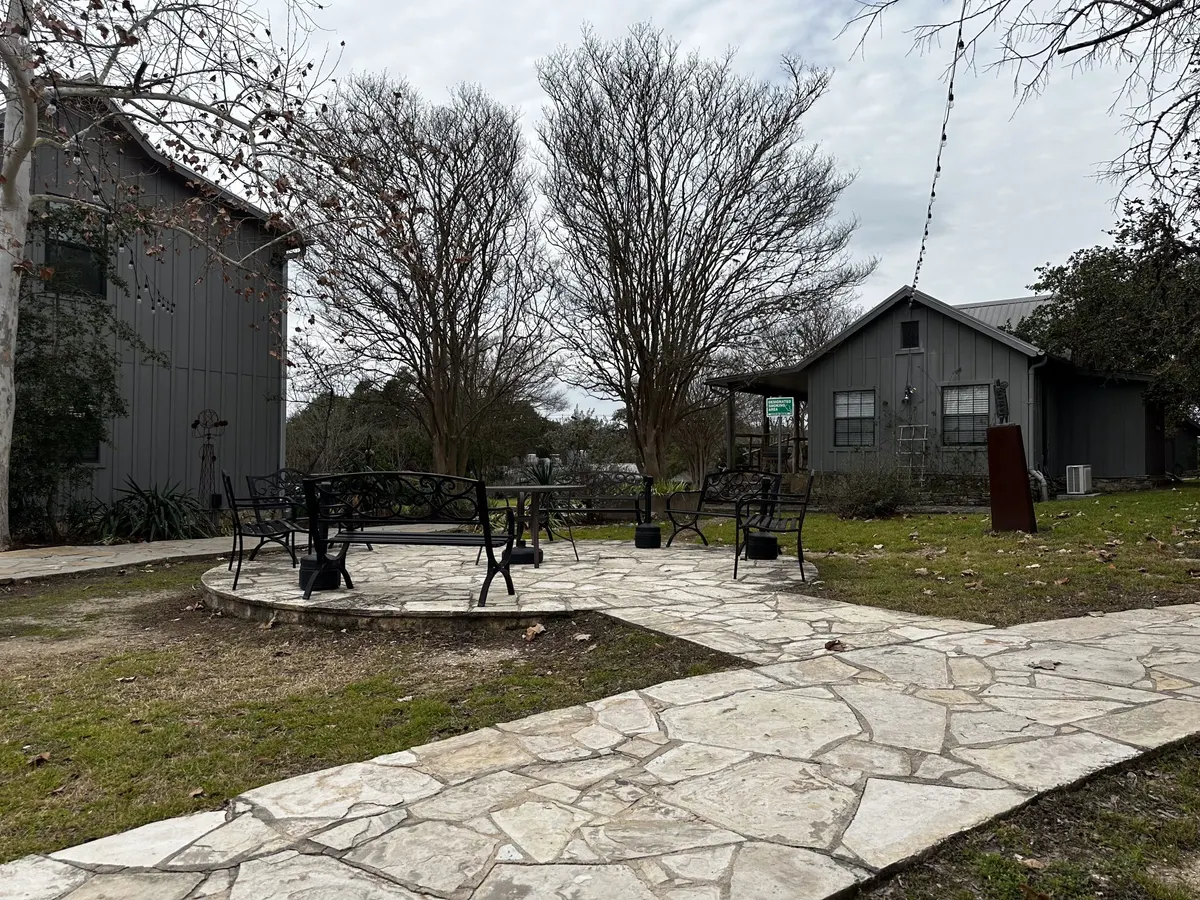
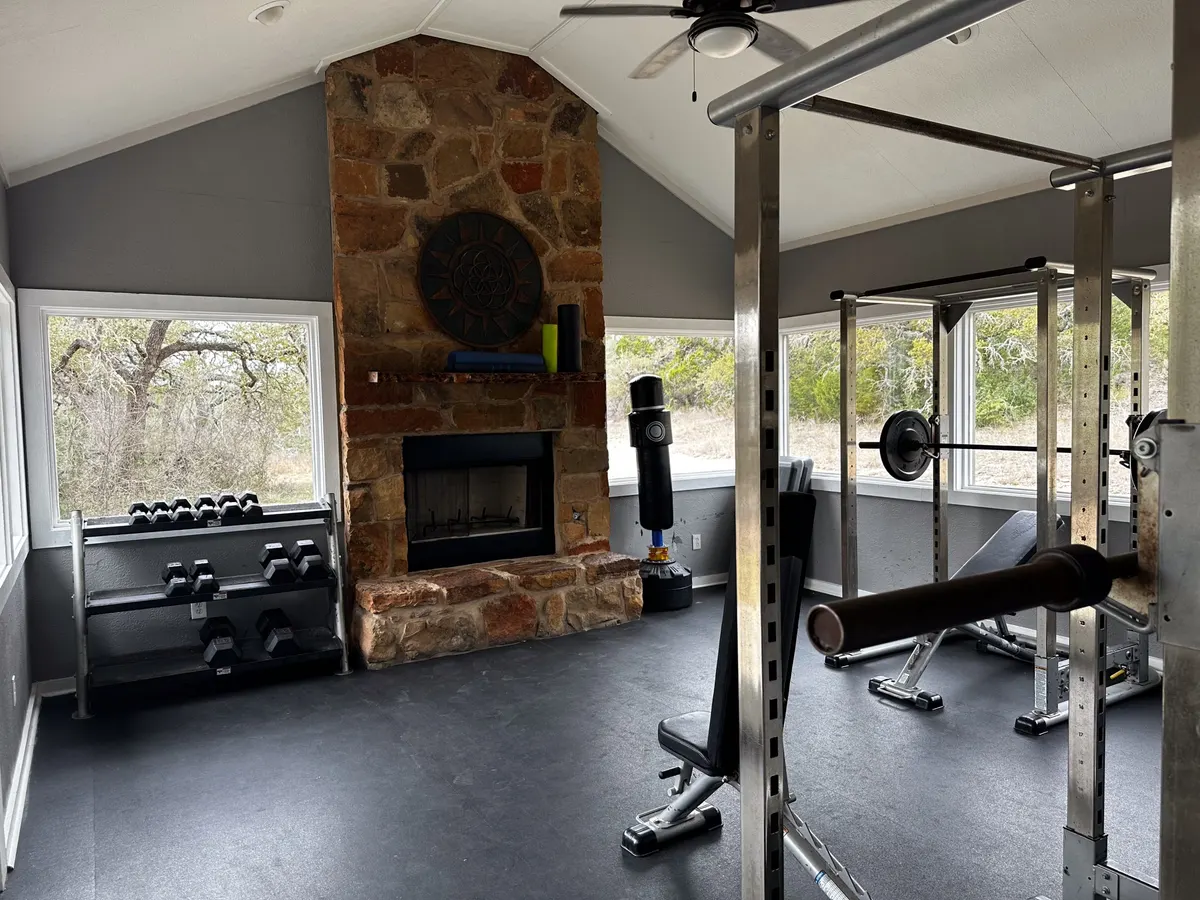
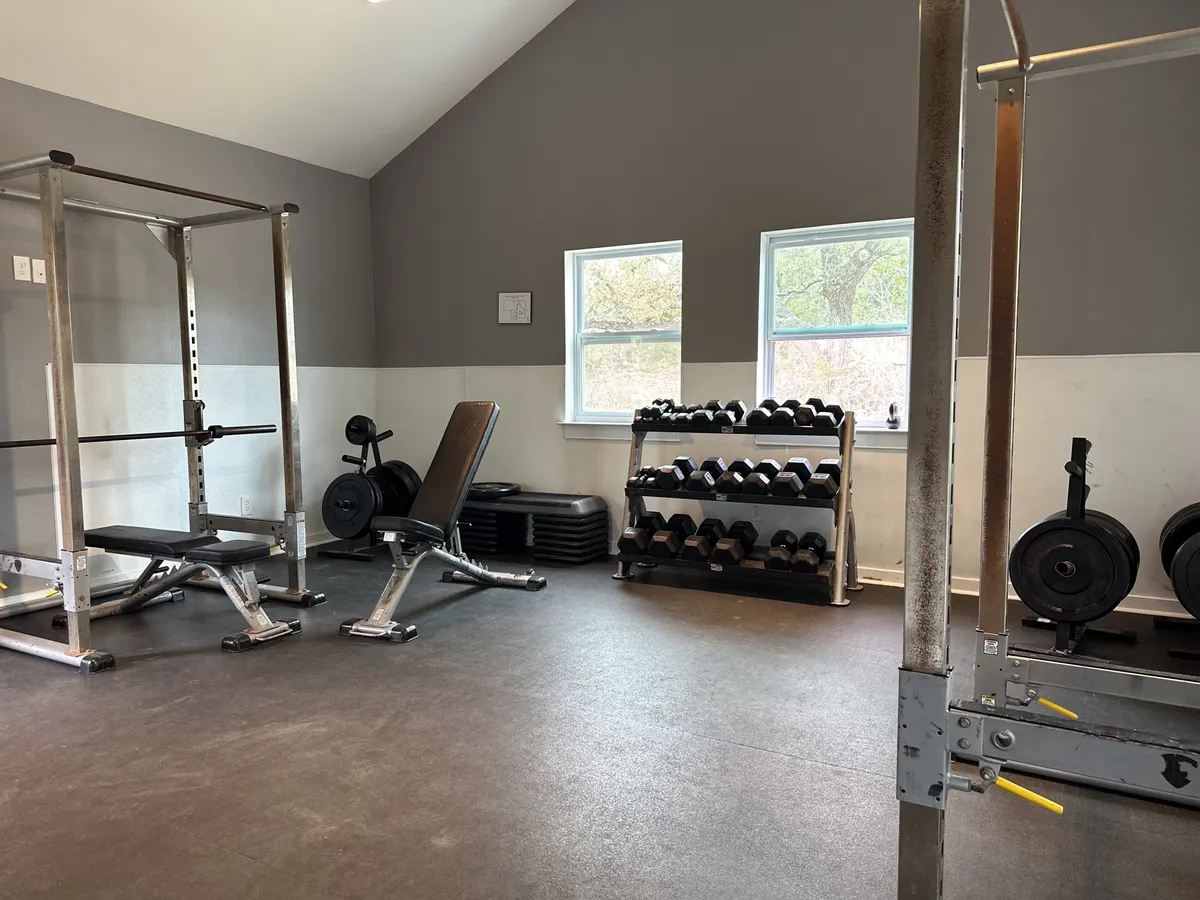

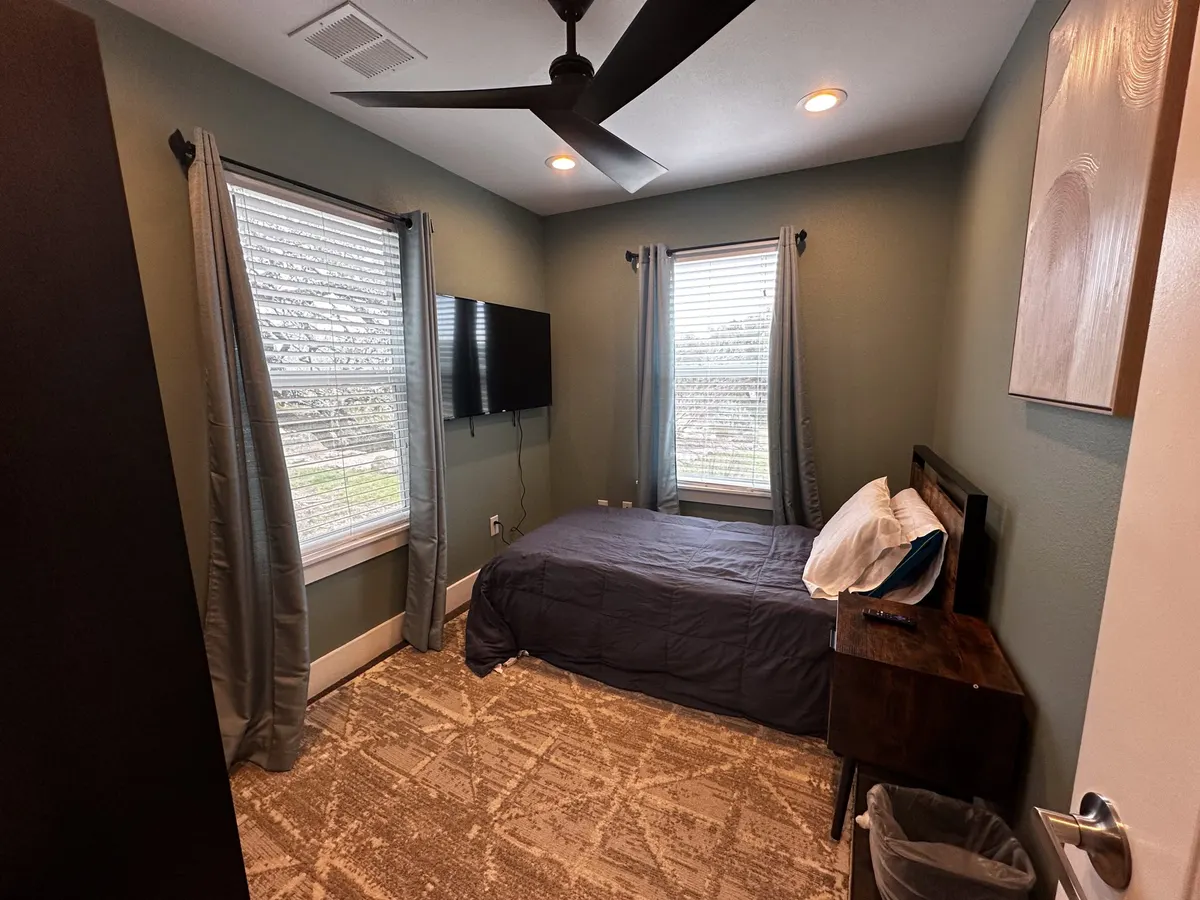

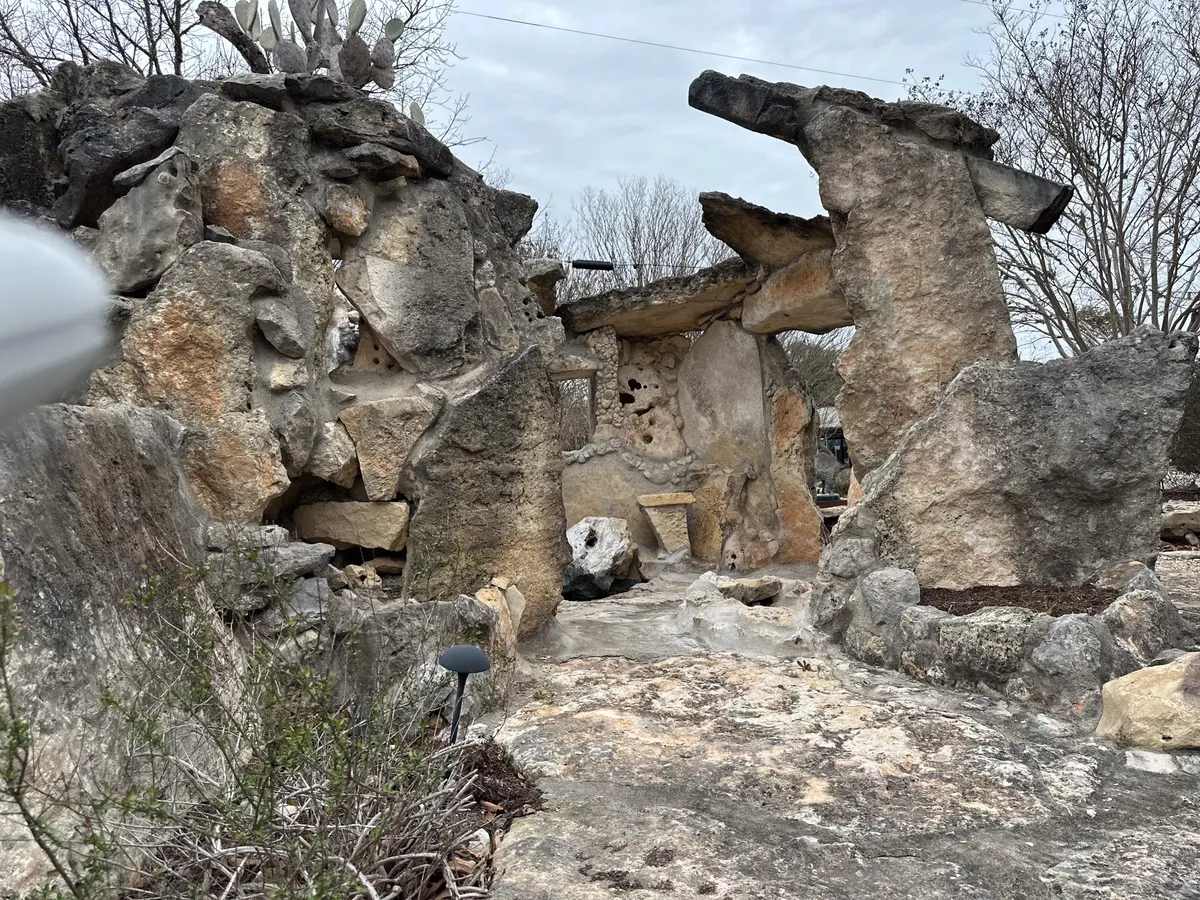


Understanding how addiction forms and progresses is a crucial first step for individuals and families looking for addiction recovery help. At Nova Recovery Center, we specialize in guiding people through each stage of this process and helping them reclaim control of their lives.
What is the Process of Addiction?
The process of addiction is a cycle that involves moving from occasional use or behavior into compulsive patterns that disrupt daily life. Addiction typically follows a sequence: first exposure, experimentation, regular use or behavior, risky use, dependence, and finally, addiction.
This cycle doesn’t happen overnight. It often begins subtly and progresses slowly, making it difficult to notice the warning signs of addiction until significant damage has occurred. For example, someone might start using alcohol to cope with stress after work. Over time, this becomes a habit and eventually a dependency.
At its core, addiction is about more than the substance or activity: it’s about using these things to manage emotional triggers such as trauma, stress, or mental illness.

Freedom Starts Here. Take Back Your Life Today.
Same-Day Admissions in Austin Available.
Common Types of Addictive Processes
In addition to substance abuse, many individuals struggle with behavioral addiction, also known as process addiction. These behaviors can become compulsive even without chemical substances, and may include:
- Gambling
- Video gaming
- Eating disorders (e.g., binge eating)
- Shopping
- Sex and pornography
- Internet or smartphone use
Support is available through evidence‑based care and support groups. Though these activities may seem harmless at first, the release of dopamine during these actions can reinforce and fuel the addiction cycle. Behavioral addictions share many characteristics with substance-related addictions, including psychological dependency and emotional consequences.
The Stages in the Process of Addiction
The process of addiction typically unfolds in several distinct stages:
- First Exposure: A person encounters a substance or activity, often due to curiosity, stress relief, or peer pressure.
- Regular Engagement: Continued use or behavior that brings temporary reward or relief.
- Problematic Use: The behavior begins to interfere with work, school, or relationships, leading to consequences such as shame or guilt.
- Dependence: The individual relies on the behavior or substance to function emotionally or physically.
- Addiction: Marked by a loss of control, intense cravings, withdrawal symptoms (Explore alcohol detox center in Austin to manage withdrawal symptoms), and recurring relapses.
According to data from the Substance Abuse and Mental Health Services Administration (SAMHSA), approximately 21.2 million people in the U.S. needed treatment for substance use in 2022, yet only a fraction received it. This shows how often the addiction process goes unrecognized and untreated.
Why Some People Become Addicted While Others Don’t
The process of addiction is influenced by various elements that differ from person to person. Common risk factors include:
- Family history of addiction
- Mental health conditions such as depression, anxiety, or PTSD
- Childhood trauma or abuse
- Social pressure or exposure to addictive environments
- Unhealthy coping mechanisms
Think of addiction like a seed: if a person’s biology, experiences, or surroundings provide the right “soil,” the seed may grow into a problem. Substance misuse and behavioral addiction often thrive in environments that lack support and understanding.
Process of Addiction vs Substance Addiction
While substance addiction involves physical chemicals such as drugs or alcohol, the process of addiction tied to behaviors can be just as powerful and damaging. The key difference lies in visibility, since activities like internet use or shopping are part of everyday life, it’s harder to identify a problem developing.
Despite this, behavioral addictions often mirror the same psychological dependency and emotional triggers that accompany substance use. The consequences (relationship breakdowns, financial problems, poor mental health) can be equally severe.
Understanding these differences is critical when evaluating addiction research and treatment approaches that address both forms of dependency.
The Importance of Professional Treatment
Breaking the process of addiction takes more than willpower. 90‑day residential care often requires comprehensive, structured support that addresses both the physical and emotional aspects of dependency. Professional treatment offers:
- Detox programs for substance withdrawal
- Evidence-based therapy like Cognitive Behavioral Therapy (CBT)
- Peer support and accountability groups
- Life skills and relapse prevention planning
- Ongoing recovery support through an outpatient drug rehab in Austin, TX.
Without proper support, the addiction cycle is likely to repeat, further reinforcing negative patterns. That’s why early intervention and professional care and intensive outpatient program (IOP) are essential.
Why Choose Nova Recovery Center
Nova Recovery Center provides personalized, evidence-based treatment for individuals struggling with both substance and behavioral addictions. We focus on the entire process of addiction, from identifying emotional triggers and compulsive behaviors to building healthy habits for the future.
Our team of experienced professionals offers rehab programs that range from detox to outpatient and 90-day residential care. We also emphasize long-term recovery by offering family support and relapse prevention strategies designed to sustain a clean, purposeful life.
Start Recovery Today
If you or a loved one is struggling through the process of addiction, you don’t have to face it alone. Contact Nova Recovery Center to begin a personalized recovery plan that works. For immediate assistance, call one of our admissions coordinators at (512) 605-2955 and start your path to healing and freedom today.
FAQs: The Process of Addiction, Treatment & Recovery
What are the main stages in the process of addiction?
While models vary, common stages include first exposure/experimentation, regular use, risky/problem use, dependence, and addiction; many people then cycle through relapse and recovery until sustained remission.
How does addiction start in the brain?
Repeated substance use or compulsive behaviors can change reward, stress, and self‑control circuits, reinforcing cravings and making stopping difficult without help.
What’s the difference between dependence and addiction?
Dependence refers to physical adaptation (tolerance/withdrawal). Addiction (often called a severe substance use disorder) adds compulsive use despite harm and loss of control.
How long does addiction recovery take?
Recovery is individual and often long‑term; evidence supports ongoing care that may include behavioral therapies, medications (for some SUDs), and peer support to sustain remission.
What treatments work best for addiction treatment?
Effective care is personalized and can include detox (when indicated), behavioral therapies (e.g., CBT), FDA‑approved medications for certain SUDs, and recovery supports; addressing co‑occurring needs (medical, mental health, social) improves outcomes.
Do I need detox before rehab?
Some substances require medically supervised withdrawal first (e.g., alcohol, benzodiazepines, some opioids). A clinician should determine if detox is needed and where it should occur.
How does CBT help with addiction?
CBT teaches skills to identify triggers, challenge unhelpful thoughts, and replace compulsive use with healthier coping, improving relapse prevention.
What is behavioral (process) addiction and is it as serious as substance addiction?
Behavioral addictions (e.g., gambling, gaming, compulsive shopping) involve compulsive engagement in rewarding behaviors despite harm and can cause significant distress and impairment; they are treated with similar behavioral approaches and supports.
What are common signs of substance addiction?
Inability to cut down, strong cravings, tolerance/withdrawal, neglecting responsibilities, continuing use despite consequences, and risky behaviors.
Can addiction be cured?
Addiction is treatable and manageable; many people achieve long‑term recovery with evidence‑based care and ongoing support, though setbacks can occur.
Other Drug and Alcohol Rehab Locations
-
Alcohol Outpatient Rehab Austin → Get directions ↗
-
Drug Detox Austin → Get directions ↗
-
Drug Rehab Centers Near Austin → Get directions ↗


Medical Disclaimer
The information on this page is intended for educational purposes only and should not replace professional medical advice, diagnosis, or treatment. Prescription medications, including Lexapro (escitalopram), must only be used under the guidance of a licensed healthcare provider. Never begin, discontinue, or adjust your dosage without consulting your doctor. If you experience severe side effects, withdrawal symptoms, or thoughts of self-harm, call 911 (in the U.S.) or seek immediate medical assistance from a qualified professional.
Nova Recovery Center Editorial Guidelines
By instituting a policy, we create a standardized approach to how we create, verify, and distribute all content and resources we produce. An editorial policy helps us ensure that any material our writing and clinical team create, both online and in print, meets or exceeds our standards of integrity and accuracy. Our goal is to demonstrate our commitment to education and patient support by creating valuable resources within our realm of expertise, verifying them for accuracy, and providing relevant, respectful, and insightful data to our clients and families.
References
- National Institute on Drug Abuse. (2018). Understanding drug use and addiction (DrugFacts). NIDA. Retrieved October 12, 2025, from NIDA: Understanding drug use addiction
- National Institute on Drug Abuse. (2020). Drugs, brains, and behavior: The science of addiction. NIDA. Retrieved October 12, 2025, from NIDA: Drug misuse addiction
- Substance Abuse and Mental Health Services Administration. (2023, April 24). Find help and treatment for mental health, drug, alcohol use. SAMHSA. Retrieved October 12, 2025, from https://www.samhsa.gov/find-help
- FindTreatment.gov. (n.d.). Find treatment. U.S. Department of Health & Human Services. Retrieved October 12, 2025, from FindTreatment.gov
- 988 Suicide & Crisis Lifeline. (n.d.). Home. 988lifeline.org. Retrieved October 12, 2025, from 988lifeline.org
- Mayo Clinic Staff. (n.d.). Drug addiction (substance use disorder). Mayo Clinic. Retrieved October 12, 2025, from Mayo Clinic: Drug addiction
- Cleveland Clinic. (n.d.). Addiction: What it is, causes, symptoms, types & treatment. Cleveland Clinic. Retrieved October 12, 2025, from Cleveland Clinic: Diseases
What clients say
Trusted by clients across Texas
4.6 from 434 Google reviews across 9 locations
Across Nova Recovery Center, Briarwood Detox Center and Eudaimonia Recovery Homes
★★★★★
“Nova is far from perfect, and some of the information can be misleading. But if you want to cover the 12 Steps while enjoying good food and a beautiful scenic view, this is the place for you. The…”
10 months ago · Wimberley
★★★★★
“I did 90 days at Nova Recovery 6 years ago. I am still sober today. And living a life I could have never imagined. The people and the program they are running impacted me for a lifetime. Better than…”
2 years ago · Wimberley
★★★★★
“I went to Nova almost 9 months ago and I wouldn’t change it for the world. The staff when I first entered were very nice and welcoming. As a 19 year old that didn’t know what I was getting myself…”
2 years ago · Austin
★★★★★
“Nova Recovery Center has been an invaluable part of my journey to sobriety. The intensive inpatient program, coupled with the unwavering support and guidance from my recovery specialist, Mark Rector…”
2 years ago · Austin


★★★★★
“I had such a positive experience at Nova Recovery in Wimberley! The staff genuinely cares and went above and beyond to support me every step of the way. The peaceful setting made it easier to focus…”
a year ago · Wimberley
★★★★★
“I love Nova so freaking much. Nova has saved my life in more ways than one. I was hopeless and had no solution suffering from this disease. The staff there never gave up on me. I was the worst client…”
2 years ago · Austin
★★★★★
“I know Mark rector is non-binary however it saved my life and it did a good job with CPR and I don't know how aside from staying sober I could ever repay it thank you Mr or Mrs or whatever you're…”
8 months ago · Austin
★★★★★
“It's been a few years since I was a patient at Nova Recovery Center. Recently I have been reflecting on my time there and how incredibly grateful I am for the experience I had. I have been to 7 rehab…”
2 years ago · Austin


Keep reading
- Inpatient vs. Outpatient Rehab in Austin, Texas: How to Choose the Right Program
- Inpatient vs Outpatient Rehab in Austin: How to Choose the Right Program for Alcohol Addiction
- How Long Does Inpatient Drug Rehab Last at an Austin Treatment Center?
- How Insurance Coverage Works for Drug and Alcohol Rehab in Texas
Talk to someone today
Ready when you are
Admissions are answered 24 hours a day by a person, not a queue. We will check your benefits for free and tell you what treatment would actually cost.
Free and confidential · No obligation