

Drug & Substance Guide
Vyvanse
Admissions answered 24 hours a day · Free and confidential
Excellent 4.6 out of 5 434 Google reviews across our locations



What clients say
Trusted by clients across Texas
4.6 from 434 Google reviews across 9 locations
Across Nova Recovery Center, Briarwood Detox Center and Eudaimonia Recovery Homes
★★★★★
“Nova is far from perfect, and some of the information can be misleading. But if you want to cover the 12 Steps while enjoying good food and a beautiful scenic view, this is the place for you. The…”
10 months ago · Wimberley
★★★★★
“I did 90 days at Nova Recovery 6 years ago. I am still sober today. And living a life I could have never imagined. The people and the program they are running impacted me for a lifetime. Better than…”
2 years ago · Wimberley
★★★★★
“I went to Nova almost 9 months ago and I wouldn’t change it for the world. The staff when I first entered were very nice and welcoming. As a 19 year old that didn’t know what I was getting myself…”
2 years ago · Austin
★★★★★
“Nova Recovery Center has been an invaluable part of my journey to sobriety. The intensive inpatient program, coupled with the unwavering support and guidance from my recovery specialist, Mark Rector…”
2 years ago · Austin


★★★★★
“I had such a positive experience at Nova Recovery in Wimberley! The staff genuinely cares and went above and beyond to support me every step of the way. The peaceful setting made it easier to focus…”
a year ago · Wimberley
★★★★★
“I love Nova so freaking much. Nova has saved my life in more ways than one. I was hopeless and had no solution suffering from this disease. The staff there never gave up on me. I was the worst client…”
2 years ago · Austin
★★★★★
“I know Mark rector is non-binary however it saved my life and it did a good job with CPR and I don't know how aside from staying sober I could ever repay it thank you Mr or Mrs or whatever you're…”
8 months ago · Austin
★★★★★
“It's been a few years since I was a patient at Nova Recovery Center. Recently I have been reflecting on my time there and how incredibly grateful I am for the experience I had. I have been to 7 rehab…”
2 years ago · Austin


Exceptional standards, backed by credible organizations
Our affiliations and accreditations
100% Confidentiality Guaranteed
What Vyvanse is
Vyvanse is the brand name for lisdexamfetamine, a prescription central nervous system stimulant used for ADHD and also FDA-approved for binge eating disorder.
The DEA classifies it Schedule II because it can be abused. It works by restoring the balance of certain neurotransmitters, which improves concentration and focus, and comes as a capsule or chewable tablet.
It is less likely to be abused than Adderall, because it is a prodrug: it has to be absorbed and converted to dextroamphetamine before anything is felt, which takes an hour or two.
- What it is
- Lisdexamfetamine, a CNS stimulant
- Approved for
- ADHD and binge eating disorder
- Classification
- Schedule II
- Why it is abused less than Adderall
- It is a prodrug, delayed by an hour or two
A slower onset lowers the abuse risk and does not remove it. Long-term use still causes withdrawal.
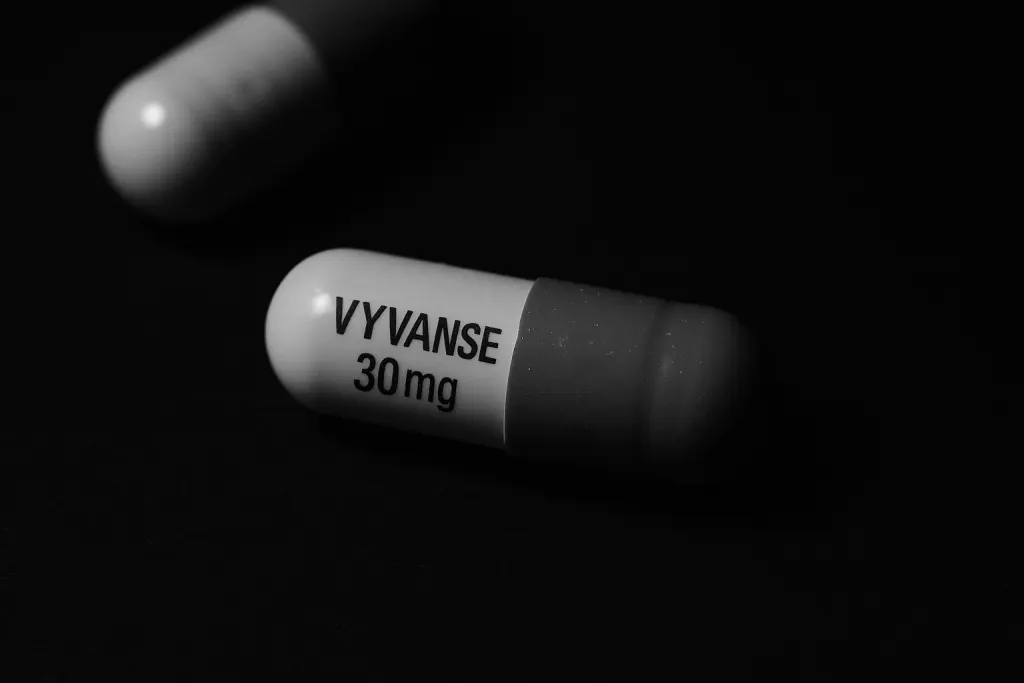
Although it is a Schedule II drug, Vyvanse is less likely to be abused than other similar drugs like Adderall because it is a prodrug and its effects aren’t felt immediately. It must first be absorbed by the intestinal tract and converted to dextroamphetamine (the active form of the drug) before any effects are felt. So, if a person takes a dose of Vyvanse, he or she won’t feel its effects until an hour or two later.
Slang for Vyvanse
According to the World Health Organization, there are no current street names or slang terms for lisdexamfetamine, however, the following terms are slang for amphetamines:
- Speed
- Uppers
- Pick me ups
- Lightening
- Fet
- Powder
- White
- Throttle
How Common Is Vyvanse Addiction and Abuse?
The abuse of prescription stimulants like Vyvanse is common in the U.S. and abuse is growing. In 2017, 7,663 people died from a psychostimulant overdose, compared to 5,992 in 2016 (an increase of 30 percent). According to the 2016 National Survey on Drug Use and Health, 4.3 million people used prescription stimulants to get high in the last month.
Prescription stimulant abuse can happen in a variety of different ways, including:
- Taking someone else’s prescription stimulant drug
- Using a prescription stimulant drug when it is not medically necessary
- Getting multiple prescriptions from several different doctors
- Taking prescription stimulants with other drugs or alcohol
- Taking larger or more frequent doses than necessary
- Crushing the pills and snorting the powder to get high
- Diluting the powder and injecting it to get high
Long-term abuse of prescription stimulants like lisdexamfetamine (Vyvanse) can cause dependence, addiction, and result in severe or even life-threatening side effects.
Discover More About Prescription Stimulant
Everything You Need to Know...
View Prescription Stimulant Glossary
What Are the Side Effects of Abuse?
Common side effects of lisdexamfetamine abuse include:
- Nausea
- Vomiting
- Rapid heart rate
- Increased blood pressure
- Dilated pupils
- Increased body temperature
- Reduced appetite
- Muscle weakness
- Involuntary twitching
- Excessive sweating
- Chest pain
- Impaired judgment
- Confusion
- Seizures
- Stroke
- Coma
What Are Common Signs and Symptoms of Addiction and Abuse?
If you or a loved one has developed an addiction to lisdexamfetamine (Vyvanse), there are several signs and symptoms to watch for. Common signs of prescription drug abuse and addiction include:
- Paranoia
- Agitation
- Problems sleeping
- Reduced appetite
- Hyperactive behavior
- Stealing or forging prescriptions
- Hostile behavior
- Excessive mood swings
- Requesting early refills
- “Losing” prescriptions
- Poor decision-making
Freedom Starts Here. Take Back Your Life Today.
Same-Day Admissions in Austin Available.

Vyvanse Detox
Lisdexamfetamine (Vyvanse) withdrawal symptoms can be difficult to deal with on your own at home. The safest and most effective way to detox from Vyvanse is to do so at a medical detox center. Medically-assisted Vyvanse detox provides round-the-clock medical and clinical care, to treat the uncomfortable physical and psychological side effects of withdrawal. Treatment may also involve a process called tapering, where you are gradually weaned off the Vyvanse instead of abruptly quitting. This can reduce the severity of the withdrawal side effects.
At a detox center, your treatment team can also provide personal recommendations for ongoing care if you choose to continue your addiction treatment after completing Vyvanse detox. These options may include residential rehab, outpatient rehab, IOP. a sober living program, or a peer monitoring program. These Vyvanse treatment services can help to address the underlying causes of the addictive behavior to prevent relapse.
Overall, an inpatient Vyvanse detox program can help prevent relapse by providing medical, clinical, and personal support, even after detox is over.
What Are Vyvanse Withdrawal Symptoms?
If a person attempts to stop using Vyvanse once they are addicted or dependent, they may experience uncomfortable physical side effects called withdrawal. Common symptoms of lisdexamfetamine (Vyvanse) withdrawal include:
- Anxiety
- Concentration problems
- Depression
- Fatigue
- Headache
- Irritability
- Lack of motivation
- Mood swings
- Exhaustion
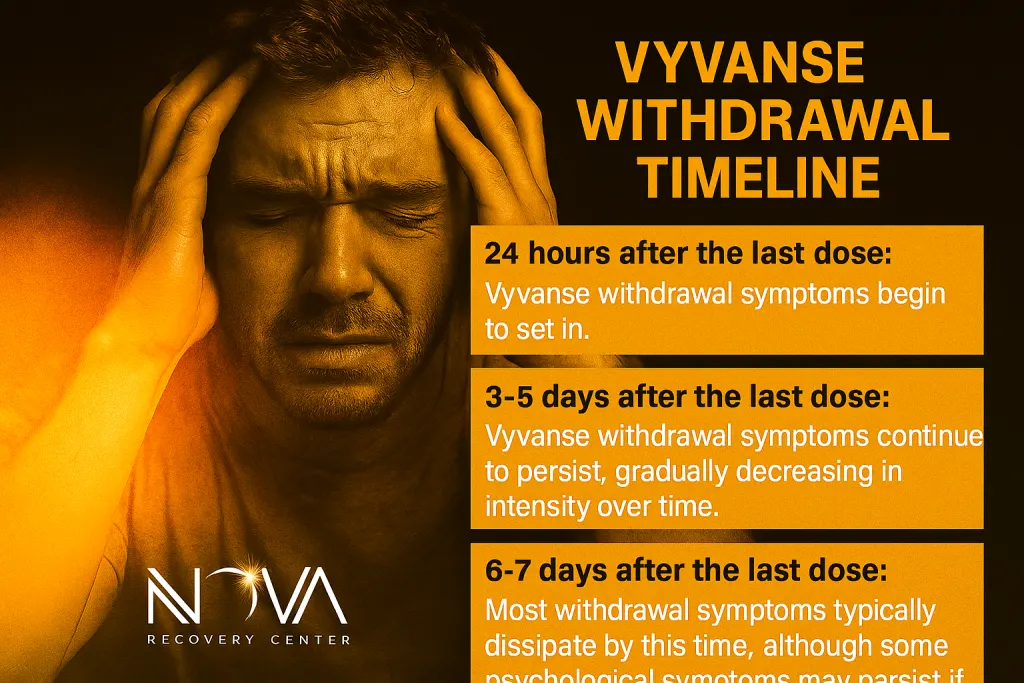
Vyvanse Withdrawal Timeline
The duration and intensity of Vyvanse withdrawal will vary from person to person depending on the method they used to quit (taper or cold turkey), the typical dose and frequency of use, the method of abuse, the duration of time Vyvanse was abused, and if the Vyvanse was abused with any other drugs.
Although Vyvanse detox and withdrawal are different for everyone, here is an estimated Vyvanse withdrawal timeline.
We accept most major insurance
Most major insurance covers treatment here
We'll check your benefits for free and tell you what you'd actually pay, before you commit to anything.
















Takes about 2 minutes · No obligation · Or call (512) 605-2955
Don't see yours? We work with more plans than we can show here.
VERIFY YOUR INSURANCE | 100% CONFIDENTIAL
Treatment for Vyvanse Addiction
Once you have completed detox for lisdexamfetamine (Vyvanse) addiction, you may choose to continue your treatment with a Vyvanse rehab program. According to the National Institute on Drug Abuse, long-term addiction treatment of 90 days or longer is recommended for people who want to sustain their sobriety and maintain positive outcomes.
Vyvanse rehab programs are designed to help clients address the root causes of their addiction and learn how to live a sober life. During rehab, clients work with a team of addiction treatment professionals (many of whom are often also in recovery themselves) to achieve the following objectives:
- Maintain their sobriety
- Learn about the disease of addiction
- Implement relapse prevention strategies
- Gain the life skills necessary for a sober lifestyle
- Establish healthy relationships with sober peers and mentors
These Vyvanse treatment program objectives can be achieved with several different types of rehab programs, including residential programs, outpatient rehab programs, or intensive outpatient rehab programs (IOP).

Inpatient Drug Rehab vs. Outpatient Drug Rehab for Vyvanse Addiction
There are several differences between inpatient rehab and outpatient rehab. To determine which type of rehab program is best for you, it is wise to consider several different factors, such as:
- Your treatment needs
- Your financial ability
- Your history with addiction and relapse
- Your location
- Your health insurance benefits coverage
While enrolled in an inpatient drug rehab program, clients can expect to:
- Live on-site at the rehab center in gender-specific group housing
- Have immediate access to treatment professionals and medical care
- Attend educational lectures, process groups, and group counseling sessions
- Follow a structured daily routine and schedule
- Participate in family therapy during treatment
- Attend individual counseling and therapy sessions
While enrolled in an inpatient drug rehab program, clients can expect to:
- Live on-site at the rehab center in gender-specific group housing
- Have immediate access to treatment professionals and medical care
- Attend educational lectures, process groups, and group counseling sessions
- Follow a structured daily routine and schedule
Participate in family therapy during treatment - Attend individual counseling and therapy sessions
While enrolled in an outpatient drug rehab program, clients can expect to:
- Attend weekly group meetings at a clinical location for several weeks
- Live at home while completing rehab
- Attend to other responsibilities while enrolled in rehab (attend school, work, care for children, etc.)
- Attend educational lectures
- Complete individual counseling
The cost of an inpatient or outpatient treatment program will vary depending on several factors, like the location of the treatment center, the services offered, the amenities, and whether the facility accepts your insurance benefits. Most often, clients have several different payment options, including:
- Health insurance benefits
- Privately financed healthcare loans
- HSA funds
- Treatment scholarships
- Employee Assistance Program (EAP) benefits
- Credit cards
- Out-of-pocket payments
Neither inpatient nor outpatient treatment programs are better than the other. Rather, each one caters to the different needs of recovering individuals.

Continued Care Options for Vyvanse Addiction Treatment
Any type of drug addiction cannot be “cured” or easily overcome within a matter of days. Overcoming any type of addiction, including Vyvanse addiction, takes time, effort, and support. Fortunately, overcoming lisdexamfetamine (Vyvanse) addiction is possible with the right support and there are many different types of recovery support programs available to those who need them. The following programs are just a few examples of continued care options after rehab.

Sober Living Programs
A sober living program provides safe and sober gender-specific group housing. Most people who live in sober living homes have already completed detox and rehab and are actively working to maintain their sobriety.
Sober living homes also provide structured daily schedules for residents, with access to recovery support services such as:
- Education and employment assistance
- Tiered recovery programming
- Regular drug and alcohol testing
- Peer support programs
- Family support
The cost of a sober living program will vary, depending on the recovery support services offered, the amenities, and the location.

Aftercare Programs
Aftercare programs are also beneficial for people in recovery. They provide continued peer support in early sobriety, which is often a challenging time. Aftercare programs are comprised of a series of group meetings that are facilitated by an addiction treatment professional. Each meeting is intended to be a safe and supportive environment where clients can feel accepted, regardless of their personal successes or failures in recovery.
Many people also use aftercare meetings as an opportunity to check-in with their peers and remain accountable to their own sobriety goals.
Overcoming lisdexamfetamine (Vyvanse) addiction is an ongoing process, but you can achieve full recovery with the right treatment and support. If you or a loved one is struggling with prescription stimulant abuse, a Vyvanse rehab program may be exactly what you need. Call Nova Recovery Center today at (512) 605-2955 to find out how we can help.
Frequently Asked Questions About Vyvanse Addiction and Withdrawal
What are the signs of Vyvanse addiction?
Vyvanse addiction often begins subtly, especially when the medication is used outside of a prescription. Common signs include taking larger doses than prescribed, running out of pills early, obsessing over the next dose, changes in sleep or appetite, mood swings, and doctor shopping. Long-term misuse may lead to dependency and withdrawal symptoms when not taking the drug.
Can you become addicted to Vyvanse if taken as prescribed?
While Vyvanse is designed to have a lower abuse potential than other stimulants, addiction is still possible, even when taken as prescribed. Individuals may develop a psychological dependence, especially if they begin to rely on the drug for focus, energy, or emotional regulation over time.
What are the withdrawal symptoms from Vyvanse?
Vyvanse withdrawal symptoms can be intense, particularly after extended or high-dose use. These may include fatigue, depression, anxiety, irritability, sleep disturbances, mood swings, and strong drug cravings. Some people also report feeling mentally foggy or unmotivated for several days to a week.
How long does Vyvanse withdrawal last?
Withdrawal symptoms from Vyvanse typically begin within 24 hours after the last dose. The most intense symptoms usually occur between days 3 and 5. For most individuals, withdrawal resolves within 7 to 10 days, although some emotional symptoms, like low mood or anxiety, may persist longer.
What’s the difference between a Vyvanse crash and withdrawal?
A Vyvanse crash is a short-term, immediate reaction to the drug wearing off, often marked by irritability, fatigue, and low mood. Withdrawal, on the other hand, is a longer-lasting process that begins once the drug is stopped completely. Crashes can happen daily, while withdrawal occurs after long-term use is discontinued.
How do you stop taking Vyvanse safely?
Stopping Vyvanse should always be done under medical supervision. A gradual taper is often recommended to minimize withdrawal symptoms and avoid serious mental health effects. At Nova Recovery Center, clients undergo a personalized detox plan with 24/7 clinical support to ensure safety and comfort.
Are there treatment options for Vyvanse addiction?
Yes, comprehensive treatment is available for Vyvanse addiction. Nova Recovery Center offers medically supervised detox, residential treatment, intensive outpatient programs, and aftercare planning. Evidence-based therapies like CBT, DBT, and holistic modalities support long-term recovery and relapse prevention.
Can Vyvanse withdrawal be life-threatening?
While Vyvanse withdrawal is generally not life-threatening, it can be emotionally intense and psychologically dangerous, especially for individuals with co-occurring mental health conditions. Suicidal thoughts, depression, and severe anxiety may occur, making professional support critical during detox.
When do withdrawal symptoms typically begin after the last dose?
Most people begin to experience Vyvanse withdrawal symptoms within 24 to 36 hours after the final dose. Symptoms gradually increase in intensity over the next few days before tapering off by the end of the first week.
Should I taper off Vyvanse or quit cold turkey?
It’s highly recommended to taper off Vyvanse under medical supervision rather than quitting cold turkey. Sudden cessation can trigger severe psychological withdrawal symptoms. At Nova Recovery Center, our clinical team creates a customized taper plan to reduce discomfort and support long-term sobriety.
What is Vyvanse and how does it work?
Vyvanse (lisdexamfetamine dimesylate) is a long-acting Schedule II controlled substance prescribed for ADHD and binge-eating disorder. It comes in doses from 10 mg up to 70 mg once daily, typically lasting about 10–14 hours
What are the common side effects?
Common side effects include nausea, vomiting, insomnia, loss of appetite, and irritability. It can also increase blood pressure and heart rate, potentially worsening any pre-existing heart problems or heart disease, especially if there’s a family history of cardiovascular issues
Are there serious warning signs to watch for?
Yes. Look out for chest tightness, excessive sweating, or unexplained wounds on your fingers (e.g. from skin picking or circulation issues). These signs may indicate peripheral circulation problems or stimulant misuse
How long do withdrawal symptoms last?
Withdrawal symptoms (such as severe fatigue, depression, irritability, nausea, vomiting, mood swings, and cravings) typically begin within 24–36 hours and can peak over the first 14 days, sometimes lasting
What does a safe tapering protocol look like?
A typical taper may start at 70 mg, then reduce to 50 mg → 30 mg → discontinuation. Medical detox includes monitoring blood pressure and heart rate, managing nausea and vomiting, and screening for cardiac complications
Can Vyvanse be used for weight loss?
No. Although it’s FDA-approved for ADHD and binge-eating disorder, off-label use for weight loss can dangerously raise blood pressure, heart rate, and increase risk of cardiovascular problems
Does Vyvanse affect heart health?
es. Vyvanse may cause heart attack, stroke, and worsening of untreated heart disease. It’s contraindicated in people with significant cardiovascular conditions or family histories of heart problems. Regular blood pressure and heart rate monitoring is essential
How soon does Vyvanse begin to work?
Vyvanse begins to work within 90 minutes to 2 hours, with peak effects around 3.5–4.5 hours. Its therapeutic effects typically persist throughout the day, up to 14 hours
References
https://mentalhealthdaily.com/2014/05/06/vyvanse-withdrawal-symptoms-timeline/https://www.accessdata.fda.gov/drugsatfda_docs/label/2007/021977lbl.pdfhttps://pubchem.ncbi.nlm.nih.gov/compound/Lisdexamfetamine#section=Information-Sourceshttps://www.everydayhealth.com/drugs/vyvanse#basicshttps://www.webmd.com/drugs/2/drug-148324/vyvanse-oral/detailshttps://www.drugs.com/ingredient/lisdexamfetamine.htmlhttps://amphetamines.com/street-names/https://www.mayoclinic.org/diseases-conditions/prescription-drug-abuse/symptoms-causes/syc-20376813
Is Vyvanse an addictive substance?
Yes. Vyvanse is lisdexamfetamine, a central nervous system stimulant prescribed for ADHD and binge eating disorder, and the DEA classifies it as a Schedule II drug because it has the potential to be abused. The page adds a detail worth knowing: it is less likely to be abused than a drug like Adderall because it is a prodrug, so it must be absorbed and converted before anything is felt, which means effects arrive an hour or two after a dose. Long-term use can still cause withdrawal symptoms.
Vyvanse withdrawal can be physically draining and emotionally overwhelming, especially without proper medical support. Symptoms like fatigue, depression, anxiety, and cravings often intensify before they improve, making professional treatment essential for a safe and effective detox process. At Nova Recovery Center, we offer medically supervised detox, comprehensive therapy, and personalized aftercare to help clients navigate every stage of recovery. With the right support, long-term healing is not just possible, it’s within reach. If you or a loved one is struggling, don’t wait to seek help. Contact us today to begin your recovery from Vyvanse.
Talk to someone today
Ready when you are
Admissions are answered 24 hours a day by a person, not a queue. We will check your benefits for free and tell you what treatment would actually cost.
Free and confidential · No obligation