
Nova Recovery Center
Is Alcohol a Depressant?
Admissions answered 24 hours a day · Free and confidential
Excellent 4.6 out of 5 434 Google reviews across our locations



What clients say
Trusted by clients across Texas
4.6 from 434 Google reviews across 9 locations
Across Nova Recovery Center, Briarwood Detox Center and Eudaimonia Recovery Homes
★★★★★
“Nova is far from perfect, and some of the information can be misleading. But if you want to cover the 12 Steps while enjoying good food and a beautiful scenic view, this is the place for you. The…”
10 months ago · Wimberley
★★★★★
“I did 90 days at Nova Recovery 6 years ago. I am still sober today. And living a life I could have never imagined. The people and the program they are running impacted me for a lifetime. Better than…”
2 years ago · Wimberley
★★★★★
“I went to Nova almost 9 months ago and I wouldn’t change it for the world. The staff when I first entered were very nice and welcoming. As a 19 year old that didn’t know what I was getting myself…”
2 years ago · Austin
★★★★★
“Nova Recovery Center has been an invaluable part of my journey to sobriety. The intensive inpatient program, coupled with the unwavering support and guidance from my recovery specialist, Mark Rector…”
2 years ago · Austin


★★★★★
“I had such a positive experience at Nova Recovery in Wimberley! The staff genuinely cares and went above and beyond to support me every step of the way. The peaceful setting made it easier to focus…”
a year ago · Wimberley
★★★★★
“I love Nova so freaking much. Nova has saved my life in more ways than one. I was hopeless and had no solution suffering from this disease. The staff there never gave up on me. I was the worst client…”
2 years ago · Austin
★★★★★
“I know Mark rector is non-binary however it saved my life and it did a good job with CPR and I don't know how aside from staying sober I could ever repay it thank you Mr or Mrs or whatever you're…”
8 months ago · Austin
★★★★★
“It's been a few years since I was a patient at Nova Recovery Center. Recently I have been reflecting on my time there and how incredibly grateful I am for the experience I had. I have been to 7 rehab…”
2 years ago · Austin


Is alcohol a depressant?
Yes. Alcohol is a depressant drug, and it is one of the most frequently abused drugs in the United States even though it is not commonly thought of as a drug at all.
Its effects depend on how much is drunk and how fast. In small amounts it can boost energy and make someone more talkative, which is why the classification surprises people.
Drinking a lot produces the depressant effects: slowness, sleepiness and loss of coordination.
- The answer
- Yes, alcohol is a depressant
- How common
- One of the most abused drugs in the U.S.
- What changes the effect
- How much, and how fast
- Why it confuses people
- Small amounts can boost energy
Alcohol is the one depressant most people do not count. If stopping has been hard, that is worth a call.
In this blog, we will answer the common question, “Is alcohol a depressant?” We will also share more information about alcohol abuse and its risks. Is Alcohol a Depressant?
Alcohol is a type of depressant drug. Its effects on the body depend on how much you drink and how fast. In small amounts, it can boost energy and make you talk more. However, drinking a lot of alcohol can make you feel slow, sleepy, and uncoordinated.
What is Alcohol?
Ethanol, better known as alcohol, is a substance that is formed when yeast ferments the sugars in food. You can make different types of alcoholic drinks from various foods. For example, wine comes from grapes, beer from malted barley, cider from apples, and vodka from potatoes. The amount of alcohol in these drinks can range from 2 percent to over 60 percent.
Alcohol is also in many household items. You can find it in mouthwash, hand sanitizer, perfume, and windshield wiper fluid, among others
Alcohol is a drug. In low doses, it acts as a stimulant. In high doses, it depresses the central nervous system. In extremely high doses or when combined with other drugs, it can be lethal. The symptoms of drinking alcohol depend on a person’s blood alcohol concentration (BAC). A BAC higher than 400 mg/dL can slow or stop breathing. It can also cause a coma or even lead to death.
It is possible to drink alcohol responsibly. You can enjoy it without getting drunk or addicted. However, many people misuse it.










What is a Depressant?
A depressant is a type of drug that slows brain activity and provides a calming and sedating effect. Alcohol is a depressant. When people drink a lot of it, it can slow down important body functions. This can cause slurred speech, confused thoughts, slow reactions, and poor coordination. Other depressant drugs include illegal ones like heroin or cannabis. They also include prescription medications for anxiety and sleep problems.
Side Effects of Alcohol Abuse
Alcohol abuse has many negative side effects that may be experienced immediately after consuming it or years down the road. The Centers for Disease Control and Prevention (CDC) defines excessive alcohol consumption as:
- Binge drinking (a pattern of drinking that consists of 4 to 5+ drinks within a two-hour period)
- Heavy drinking (8 to 15+ drinks per week)
- Any alcohol use among individuals under the age of 21
- Any alcohol use among pregnant women

Some of the long-term health risks of excessive alcohol use include
- High blood pressure
- Heart disease
- Liver disease
- Digestive problems
- Stroke
- Cancer (mouth, breast, throat, esophagus, liver, and colon)
- Memory problems and learning difficulties
- Depression
- Anxiety
- Family/relationship problems
- Unemployment
- Physical dependence
- Alcohol use disorder (alcohol addiction)
To prevent these harmful side effects and health problems, people should either drink responsibly or choose not to drink at all.
Other Commonly Abused Depressants
Alcohol is not the only type of depressant drug that people misuse. There are several other types of depressant drugs that are frequently abused, including illegal drugs and prescription drugs.
Here is a list of other commonly abused depressants in the U.S.:
Freedom Starts Here. Take Back Your Life Today.
Same-Day Admissions in Austin Available.
Treatment for Alcohol Addiction
Alcohol addiction is a chronic disease of the brain and often requires professional treatment to overcome. If you or someone you know has a problem with alcohol, a medically-assisted detox program can help. This program safely treats and manages withdrawal symptoms. It also offers individual and group counseling. These services prepare you for a residential or outpatient rehab program.
Inpatient alcohol detox is not only safer and more comfortable but it also greatly reduces your risk for relapse. Treatment staff will give you advice for ongoing care in residential or outpatient rehab. They will also help you enroll, so you don’t have to stress about finding a rehab center after detox.
Over 15 million Americans struggle with alcohol addiction. Each year, about 88,000 people die from alcohol-related issues Don’t become another statistic. Instead, reclaim your life from addiction and start living a healthy, happy, and sober life. Call (512) 605-2955 to speak with an admissions representative at Nova Recovery Center to start your treatment today.
Related Topics or Scroll Down to Continue Reading
 Alcohol, Energy Drink, Caffeine: What Are The Risks?
 What To Expect in Inpatient Drug Rehab in Texas
 Rehab Options: Does Location Matter?
 Is Heroin and Opioid?

Frequently Ask Alcohol Depression Questions
Is alcohol a depressant or a stimulant?
Despite some early “buzz” effects, alcohol is classified as a central nervous system (CNS) depressant. It slows down your brain and spinal cord activity, impacting movement, speech, and thought processes
Why is alcohol classified as a depressant?
Alcohol enhances the inhibitory neurotransmitter GABA and inhibits excitatory neurotransmitters like glutamate, collectively slowing neural transmission. This leads to decreased alertness, relaxation, impaired coordination, and slowed reaction time
Does alcohol depress the central nervous system?
Yes. Alcohol reduces the speed and efficiency of your CNS. As your blood alcohol level goes up, you may notice slurred speech, slow reflexes, and trouble thinking clearly. You might also feel drowsy. These are all signs of CNS depression
How does alcohol act as a depressant on the brain?
By potentiating GABA and dampening glutamate, alcohol calms neuron activity. While it may raise dopamine levels for a short time, the main effect is slowing brain signals. This reduces thinking and movement skills
What are the initial stimulating effects of alcohol before the depressant kicks in?
In small doses, alcohol can release dopamine, leading to sensations like increased sociability, confidence, and mild energy. Your heart rate and blood pressure may spike slightly. These are the perceived “upper” effects. However, these are short-lived; as BAC increases, depressant effects quickly take over
Can alcohol make depression worse?
Absolutely. Although it may offer temporary relief, alcohol exacerbates underlying depression, by disrupting neurotransmitter balance, worsening sleep quality, and impairing mood regulation. This can fuel a cycle of negative emotions and increased alcohol use
We accept most major insurance
Most major insurance covers treatment here
We'll check your benefits for free and tell you what you'd actually pay, before you commit to anything.
















Takes about 2 minutes · No obligation · Or call (512) 605-2955
Don't see yours? We work with more plans than we can show here.
Nova’s Comprehensive Continuum of Care Plan

90-Day Residential Alcohol and Drug Rehab
Our 90-day residential drug and alcohol rehab in Austin center provides a safe, comfortable, and supportive space for you to heal, learn, and recover. Unlike other 30 or 60-day programs, our long-term rehab program gives you more time to adjust to a new way of living, more time to practice the mental and spiritual tools you will use outside of rehab, and more time to acclimate into a recovery community. This 90-day time span promotes genuine and lasting change for sobriety that lasts long after inpatient rehab ends.
Drug and Alcohol Detox
Our medical detox programs treat all kinds of addictions and are tailored to meet your individual needs. We use a comprehensive assessment to design a personalized detox program that will ensure your comfort and safety throughout the withdrawal process. You’ll also have the opportunity to begin individual and group therapy to address any emotional issues and prepare for the transition into a rehab program. We believe this process provides the best foundation for continued sobriety.

Aftercare Program and IOP
Our Intensive Outpatient and Aftercare programs are designed to assist those who have graduated from our inpatient residential facility. Group sessions are available in Austin and Houston and provide structured addiction treatment sessions and recovery counseling in a safe, clinical setting. The first year of recovery can be difficult, but these support groups provide consistency, accountability, and peer support at a time when it’s needed most.
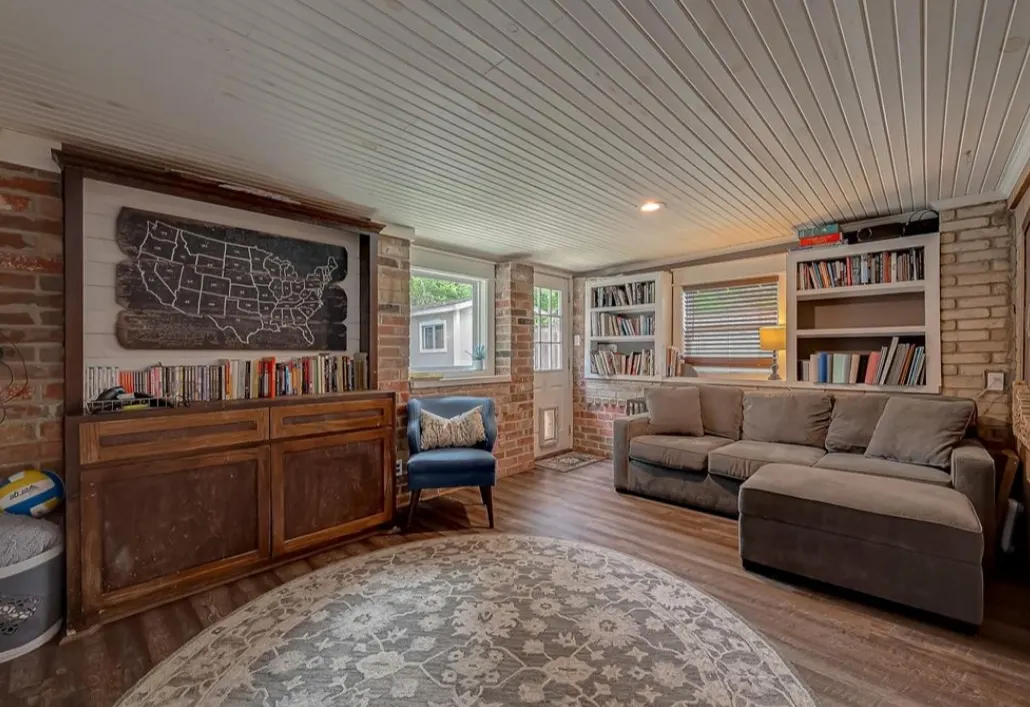
Sober Living Apartments
The transition from a residential rehab center into independent sober life is littered with obstacles. For this reason, we provide sober living homes and support programming for clients who need continued support as they make the transition. With regular drug and alcohol screenings, one-on-one sobriety coaching, and a safe, comfortable place to practice relapse prevention strategies, our sober living program is key to achieving an independent, substance-free life.
Our Drug and Alcohol Rehab Services in Texas
Talk to someone today
Ready when you are
Admissions are answered 24 hours a day by a person, not a queue. We will check your benefits for free and tell you what treatment would actually cost.
Free and confidential · No obligation