
Addiction
Signs of Being High on Drugs
Excellent 4.6 out of 5 434 Google reviews across our locations




Published December 31, 2018
Updated August 5, 2026
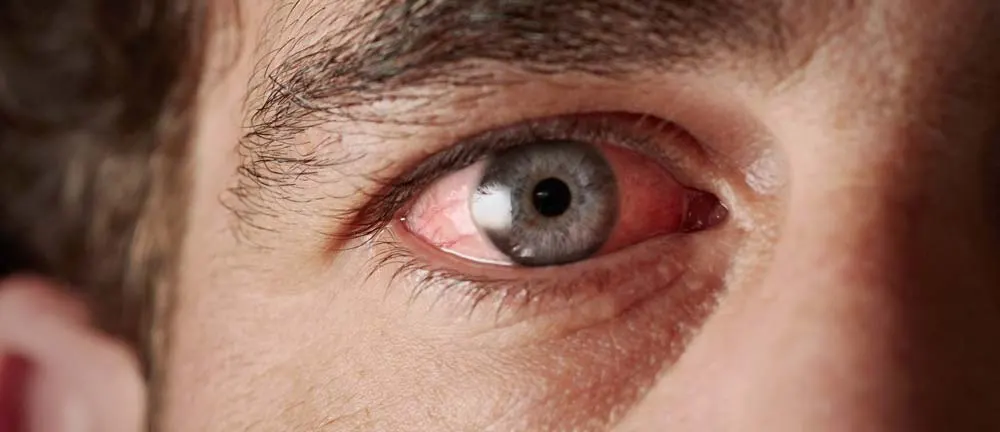
If you suspect that a loved one is using drugs to get high, there will be noticeable differences in their physical appearance and behavior. Although drugs can cause many different kinds of effects, many of the signs of being high are very similar.
How Do Drugs Affect the Brain?
Before we talk about the signs of being high on drugs, it’s important to know how drugs can affect the brain and, as a result, cause strange behavior and physical changes.
The brain is a complex organ full of cells called neurons. These neurons send and receive messages that allow the body to coordinate and complete specific functions. When drugs are introduced to the mix, they change the way the brain works by disrupting the messages that are sent, received, and processed.
Different types of drugs will affect the brain in various ways. For example, some drugs mimic the chemicals that are naturally present in the brain (these chemicals are called neurotransmitters) and activate neurons, sending abnormal messages through the brain. Other drugs disrupt the normal balance of chemicals in the brain by telling neurons to release extremely large amounts of chemicals, like dopamine.1
Long-term drug use also affects several important areas of the brain that impact a person’s ability to perform many daily functions, emotions, and behaviors such as:
- Motivation
- Developing habits and routines
- Socializing
- Feeling pleasure
- Feelings of anxiety and irritability
- Cognitive abilities
- Planning
- Problem-solving
- Decision-making
- Self-control
As you can see, drugs don’t just cause a “high” and feelings of euphoria. They can also have lasting impacts that affect the way we think, feel, and behave.
If you think a loved one is abusing drugs or that he or she might be high on one of these types of drugs, there are several different physical characteristics and behaviors you can watch for. Here are some of the most common signs of being high on drugs.
| Signs of Being High on Marijuana |
|

| Signs of Being High on Amphetamines |
|
| Signs of Being High on Benzodiazepines |
|
| Signs of Being High on Cocaine |
|
| Signs of Being High on Ecstasy |
After the high, here’s what to expect during the MDMA comedown and how to cope. |
| Signs of Being High on Heroin |
|
| Signs of Being High on Hallucinogens (LSD/Acid) |
|
| Signs of Being High on Prescription Opioids |
|
Interactive table Short-term effects of illegal drugs
Interactive table Short-term effects of prescription opioids
What to Do When a Loved One is High on Drugs
Finding out that a loved one is high on drugs can be startling and extremely concerning. Whether the drug use is a one-time thing or a consistent habit, any type of drug use should be addressed right away. Often, a one-on-one conversation is a productive and effective way to address drug use. If you do choose to talk to your loved one about his or her drug abuse this way, make sure the time and place are conducive to a productive private conversation and that your loved one is sober.
If a one-on-one conversation doesn’t work, and your loved one continues to abuse drugs, you may consider planning an intervention with a professional interventionist. These individuals are experienced intervention planners and they will help you establish a plan to confront your loved one about his or her drug use and then host the intervention when the time comes.
Seeking out the assistance of a professional interventionist can be extremely beneficial, especially if you’ve never hosted an intervention before. They can help make sure the intervention is productive, effective, and as drama-free as possible.
Ultimately, with either approach, the intention is to get your loved one to seek professional help for their drug use. A comprehensive addiction treatment program will help your loved one address the underlying causes of his or her drug use, complete detox and withdrawal, and learn important coping skills that will empower them to live a life that is free of drug abuse and addiction.
Learn More About Addiction Treatment Options at Nova Recovery Center
For more information on drug detox, inpatient and outpatient drug rehab programs, and sober living homes for recovering addicts, please call Nova Recovery Center today. We provide a complete and comprehensive continuum of care to help your addicted loved one achieve a life of sustained sobriety.
References:
- NIDA: Drugs brain
- https://www.verywellmind.com/marijuana-is-my-teen-using-marijuana-2610210
- mydr.com.au: Amphetamines speed what are the effects
- https://www.verywellmind.com/what-does-cocaine-high-feel-like-21988
- mydr.com.au: Ecstasy effects on the body
- healthservices.camden.rutgers.edu: Topics drugs
Understanding Drug Intoxication: What You Need to Know in 2025
Recognizing the signs of drug intoxication has become increasingly critical as substance use patterns evolve. Whether you’re concerned about a loved one or seeking information for yourself, understanding these indicators can be lifesaving. At Nova Recovery Center, we help families navigate these challenging situations with compassion and expertise across our locations in Austin, Houston, San Antonio, and Colorado Springs.
Why Recognition Matters Now More Than Ever
The landscape of substance use has shifted dramatically. Synthetic drugs, counterfeit pills containing fentanyl, and high-potency cannabis products have made identifying intoxication more complex, and more urgent. Early recognition allows for timely intervention, which can prevent overdose, accidents, and long-term health consequences.
If you’re noticing concerning changes in someone’s behavior or physical state, trust your instincts. Professional assessment is always the safest path forward. Call us at (512) 605-2955 to speak with an addiction specialist who can help you evaluate the situation and determine appropriate next steps.
Key Physical and Behavioral Indicators by Drug Category
Stimulants (Cocaine, Methamphetamine, Prescription Amphetamines):
- Excessive energy, rapid speech, and inability to sit still
- Dilated pupils that don’t respond normally to light
- Jaw clenching, teeth grinding, or repetitive movements
- Increased body temperature and profuse sweating
- Paranoia, aggression, or erratic behavior
- Going long periods without eating or sleeping
Opioids (Heroin, Fentanyl, Prescription Painkillers):
- Constricted “pinpoint” pupils even in dim lighting
- Extreme drowsiness or “nodding off” during conversation
- Slurred speech and slow, shallow breathing
- Confusion, disorientation, or appearing “out of it”
- Itching or scratching, particularly around the face and arms
- Blue-tinted lips or fingernails (sign of oxygen deprivation. Call 911)
Cannabis (Marijuana, Edibles, Concentrates):
- Red, bloodshot eyes and increased appetite
- Delayed reactions and impaired coordination
- Intense focus on mundane objects or unusual laughter
- Strong distinctive odor on clothing or in surroundings
- Short-term memory issues during conversation
- With high-potency products: anxiety, paranoia, or panic attacks
Depressants (Benzodiazepines, Barbiturates, Alcohol):
- Slurred speech and poor coordination
- Drowsiness, confusion, or difficulty concentrating
- Slowed reflexes and impaired judgment
- Memory gaps or “blackout” periods
- Combining with other substances significantly increases overdose risk
Hallucinogens (LSD, Psilocybin, PCP, Ketamine):
- Dilated pupils and altered perception of time and space
- Seeing or hearing things that aren’t present
- Detachment from reality or unusual emotional responses
- Unpredictable behavior ranging from euphoria to terror
- With dissociatives like ketamine: “zoned out” appearance, stumbling
When to Seek Emergency Help
Some situations require immediate medical attention. Call 911 if you observe:
- Difficulty breathing, gasping, or blue-tinted skin
- Unconsciousness or inability to wake the person
- Seizures or convulsions
- Chest pain or irregular heartbeat
- Extreme confusion, hallucinations, or violent behavior
- Vomiting while unconscious or semi-conscious
Good Samaritan laws in Texas, Colorado, and most states provide legal protection when you call for help during an overdose emergency. Getting help is always the right choice.
The Path from Recognition to Recovery
Identifying signs of intoxication is often the first step in a much longer journey. If substance use has become a pattern, whether for yourself or someone you care about, professional treatment offers the most effective path to lasting recovery.
Nova Recovery Center provides comprehensive addiction treatment tailored to individual needs:
- Medical DetoxSafe, supervised withdrawal management
- Residential TreatmentImmersive healing in our Austin and Wimberley facilities
- Outpatient ProgramsFlexible treatment in Austin, Houston, San Antonio, and Colorado Springs
- Online IOP:Intensive outpatient therapy available anywhere via telehealth
- Evidence-Based TherapiesCBT, trauma therapy, and personalized counseling
Recovery is possible, and it starts with a single conversation. Reach out to our team at (512) 605-2955 to discuss treatment options that fit your situation.
Frequently Asked Questions About Recognizing Drug Intoxication
How can I tell if someone is high on drugs or just acting differently?
Look for clusters of physical and behavioral signs rather than one isolated symptom. Drug intoxication typically involves multiple indicators: physical changes (pupil size, coordination, speech), behavioral shifts (mood swings, paranoia, unusual energy levels), and contextual clues (finding paraphernalia, sudden financial issues, secretive behavior). If you notice a consistent pattern or sudden dramatic changes, especially combined with physical symptoms like dilated/constricted pupils or impaired coordination, professional evaluation is warranted. Trust your instincts, if something feels off, it probably is.
What should I do if I think someone is overdosing?
Call 911 immediately. While waiting for emergency responders: keep the person awake and breathing if possible, turn them on their side if unconscious to prevent choking, and stay with them. If you suspect an opioid overdose and have naloxone (Narcan) available, administer it according to instructions. Do not try to make them vomit, put them in a cold shower, or give them coffee. These can worsen the situation. Good Samaritan laws protect those who seek help during overdose emergencies, so never hesitate to call for medical assistance. Time is critical in overdose situations.
Can you be high on drugs and still function normally?
Yes, particularly with tolerance. People who use substances regularly may appear to function “normally” while intoxicated because their bodies have adapted. This is often called “functional” use, but it’s still dangerous and typically indicates dependence. Signs may be subtler: slight changes in pupil size, minor coordination issues, mood shifts, or the need to use substances just to feel “normal.” High-functioning use often masks a serious problem and can be especially risky because the person may underestimate their impairment, particularly when driving or making important decisions. Functioning while intoxicated is not the same as being safe or healthy.
How long do signs of being high typically last?
Duration varies significantly by substance. Stimulants like cocaine may produce visible signs for 30 minutes to a few hours, while methamphetamine effects can last 8-12 hours or longer. Opioid intoxication typically lasts 3-6 hours depending on the specific drug. Cannabis effects usually peak within 1-2 hours when smoked and 2-4 hours when consumed as edibles, with some residual effects lasting much longer. Alcohol intoxication depends on amount consumed and metabolism. Some substances, particularly synthetic drugs, have unpredictable durations. Residual effects like fatigue, mood changes, or impaired cognition can persist well beyond visible intoxication.
What’s the difference between being high and being addicted?
Being high refers to the temporary state of intoxication, the acute physical and mental effects of a substance. Addiction is a chronic medical condition characterized by compulsive substance use despite harmful consequences, changes in brain chemistry, tolerance (needing more to achieve the same effect), and withdrawal symptoms when not using. Someone can be high without being addicted (experimentation or occasional use), and someone with addiction may not always appear high (between uses or due to tolerance). However, repeated intoxication is often how addiction develops. If substance use has become a pattern affecting daily life, relationships, work, or health, professional assessment is important regardless of whether someone appears “high” at any given moment.
How do I approach someone I think has a drug problem?
Choose a time when the person is sober and you’re both calm. Express concern using “I” statements focused on specific behaviors you’ve observed (“I’m worried because I’ve noticed you’ve been missing work and seem drowsy often”) rather than accusations. Listen without judgment, avoid ultimatums unless you’re prepared to follow through, and be prepared for denial or defensiveness, it’s a common initial response. Offer specific help: “I found a treatment center that specializes in this, and I’ll go with you to the assessment.” Consider consulting with an addiction professional before the conversation to prepare. At Nova Recovery Center, we offer guidance to families navigating these difficult conversations. Call (512) 605-2955 to speak with a specialist about intervention strategies and treatment options.
Related Resources for Understanding Addiction and Recovery
If you’re concerned about substance use, whether your own or a loved one’s, these resources can help you understand the path forward: The 10 Most Important Steps to Successful Drug Addiction Rehab, A comprehensive guide to what makes treatment effectiveGoing to Drug Rehab for the First Time: 10 Things You Need to Know, What to expect when entering treatmentHow to Cope with a Loved One’s Addiction, Guidance for families navigating this challengeHow to Write an Intervention Letter, Preparing for a structured intervention conversationWhat Is an Addiction Assessment?, Understanding the first step toward professional treatmentThe Five Stages of Addiction Recovery, The journey from acknowledgment to maintenanceCan You Overdose on Crack?
Signs, Dangers and Treatment Options, Critical overdose information21 Must-Know Drug Overdose Facts, Essential knowledge that can save lives Recovery starts with understanding, and understanding starts with asking the right questions. Our team at Nova Recovery Center is here to provide answers, support, and a clear path forward. Contact us at (512) 605-2955 to begin a confidential conversation about treatment options.
What clients say
Trusted by clients across Texas
4.6 from 434 Google reviews across 9 locations
Across Nova Recovery Center, Briarwood Detox Center and Eudaimonia Recovery Homes
★★★★★
“Nova is far from perfect, and some of the information can be misleading. But if you want to cover the 12 Steps while enjoying good food and a beautiful scenic view, this is the place for you. The…”
10 months ago · Wimberley
★★★★★
“I did 90 days at Nova Recovery 6 years ago. I am still sober today. And living a life I could have never imagined. The people and the program they are running impacted me for a lifetime. Better than…”
2 years ago · Wimberley
★★★★★
“I went to Nova almost 9 months ago and I wouldn’t change it for the world. The staff when I first entered were very nice and welcoming. As a 19 year old that didn’t know what I was getting myself…”
2 years ago · Austin
★★★★★
“Nova Recovery Center has been an invaluable part of my journey to sobriety. The intensive inpatient program, coupled with the unwavering support and guidance from my recovery specialist, Mark Rector…”
2 years ago · Austin


★★★★★
“I had such a positive experience at Nova Recovery in Wimberley! The staff genuinely cares and went above and beyond to support me every step of the way. The peaceful setting made it easier to focus…”
a year ago · Wimberley
★★★★★
“I love Nova so freaking much. Nova has saved my life in more ways than one. I was hopeless and had no solution suffering from this disease. The staff there never gave up on me. I was the worst client…”
2 years ago · Austin
★★★★★
“I know Mark rector is non-binary however it saved my life and it did a good job with CPR and I don't know how aside from staying sober I could ever repay it thank you Mr or Mrs or whatever you're…”
8 months ago · Austin
★★★★★
“It's been a few years since I was a patient at Nova Recovery Center. Recently I have been reflecting on my time there and how incredibly grateful I am for the experience I had. I have been to 7 rehab…”
2 years ago · Austin


Talk to someone today
Ready when you are
Admissions are answered 24 hours a day by a person, not a queue. We will check your benefits for free and tell you what treatment would actually cost.
Free and confidential · No obligation