
Addiction
Understanding Dual Diagnosis and Its Importance in Drug Rehab
Excellent 4.6 out of 5 434 Google reviews across our locations




Published July 3, 2024
Reviewed and updated September 26, 2025
At a Glance: Understanding Dual Diagnosis in Drug Rehab
- Dual diagnosis links mental health and addiction, It highlights how co-occurring disorders often fuel one another and must be treated together.
- Integrated treatment is essential, Addressing both substance use and mental health disorders simultaneously increases the likelihood of lasting recovery.
- Common co-occurring conditions: Anxiety, depression, bipolar disorder, and PTSD are frequently seen alongside drug or alcohol addiction.
- Holistic, evidence-based care works best: Combining therapy, medical care, and relapse prevention strategies provides the strongest foundation for long-term sobriety.
Dual diagnosis, also known as co-occurring disorders, refers to the presence of both a substance use disorder and a mental health disorder simultaneously. This complex issue requires specialized treatment and a comprehensive approach to address both aspects of the individual’s well-being. In the realm of drug rehab, understanding dual diagnosis is crucial for providing effective and tailored care to those in need.


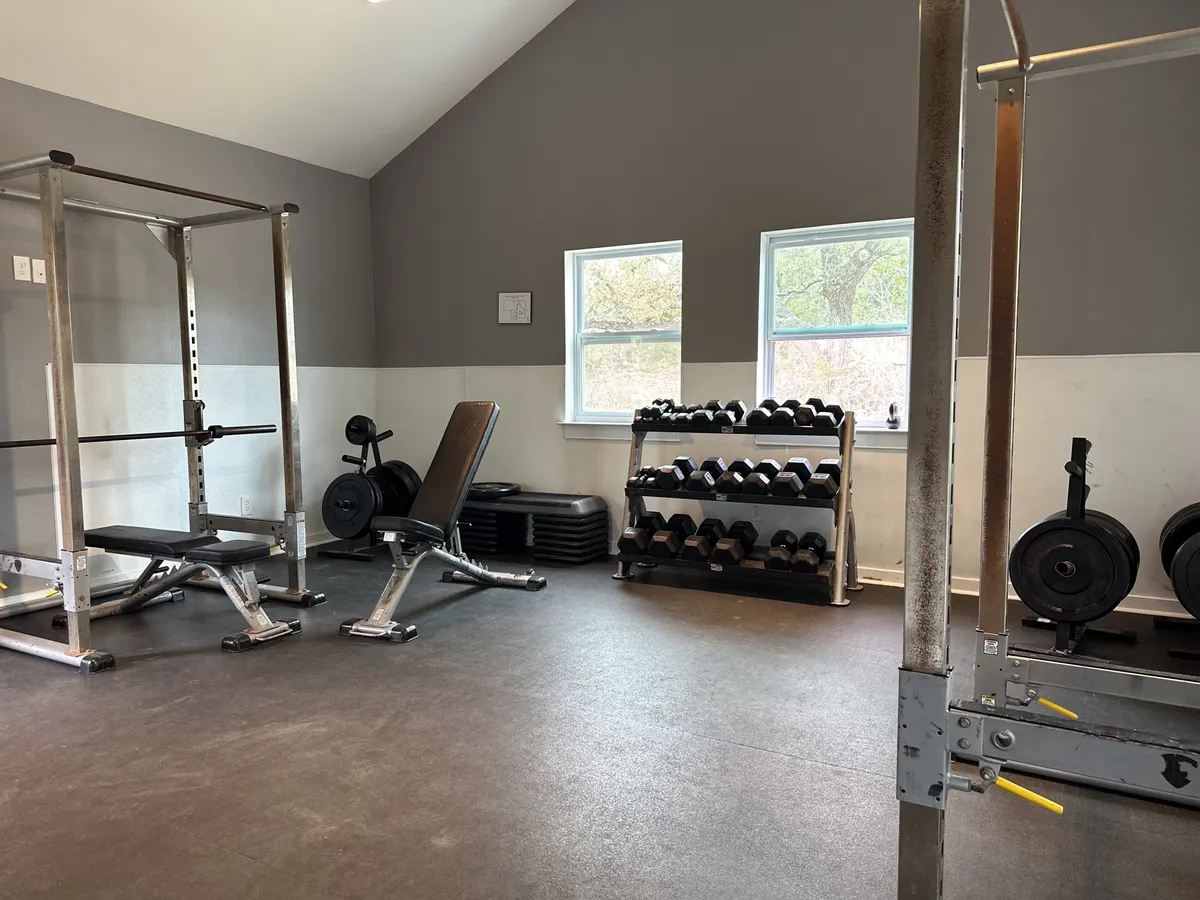







In Austin, Texas, there are many drug rehab facilities. It is important to understand dual diagnosis to help patients achieve the best outcomes.
This blog will talk about the significance of dual diagnosis in drug rehab. It will also explain how dual diagnosis impacts treatment outcomes. It will discuss the importance of specialized care in Austin, Texas.
The Impact of Co-occurring Disorders in Drug Rehab
Co-occurring disorders, also called dual diagnosis, happen when someone has both a substance use disorder and a mental health disorder. Treating drug addiction and mental health issues together is important for successful outcomes in rehab facilities.
People with co-occurring disorders often experience more severe symptoms. These symptoms can make it challenging for them to stay sober and effectively manage their mental health.
People with dual diagnosis are at a higher risk of relapse. This is because their two disorders can exacerbate each other. This can lead to a cycle of harmful behaviors. Many people struggle with treatment due to their mental health issues. This can make it difficult for them to engage in therapy and see improvements in their condition.
Drug rehab centers should use a treatment plan that focuses on both substance use disorder and mental health disorder. This approach helps people with co-occurring disorders. By addressing both issues simultaneously, individuals can receive comprehensive care.
This integrated approach is crucial for effective treatment. This approach takes care of all the individual’s needs and helps them recover in the long run. Rehab centers can help people with co-occurring disorders by managing them well. This can lead to better treatment results, lower relapse rates, and lasting sobriety and mental health.
The Importance of Integrated Treatment for Dual Diagnosis
Integrated treatment in drug rehab for individuals with co-occurring disorders is crucial in ensuring a successful and lasting recovery. By addressing both substance abuse and mental health issues together, individuals can get the help they need to overcome their challenges. This treatment includes a team of professionals such as therapists, psychologists, psychiatrists, and addiction specialists. They collaborate to develop personalized plans for each individual’s needs.
Integrated treatment focuses on addressing both symptoms and underlying causes of conditions to promote lasting sobriety and enhance mental well-being. This method helps people deal with multiple disorders better, increasing their chances of long-term recovery and a happier, healthier life.

Freedom Starts Here. Take Back Your Life Today.
Same-Day Admissions in Austin Available.
Recognizing the Signs and Symptoms of Co-occurring Disorders
Early recognition of co-occurring disorders is essential in ensuring that individuals receive the appropriate care and support they need. Identifying signs such as self-medicating with substances, sudden mood swings, persistent anxiety or depression, and difficulty in managing daily responsibilities can be indicative of a dual diagnosis.
Some people use substance abuse to deal with mental health problems. By recognizing these signs, family, doctors, and individuals can act quickly and get the right treatment for both conditions.
Knowing these symptoms is important for better treatment, leading to lasting recovery and well-being. By treating both mental health and substance abuse issues early, people can start on a journey to overall healing and wellness.
Treatment Options for Dual Diagnosis in Drug Rehab
Once dual diagnosis is identified, it is crucial to select the appropriate treatment for successful recovery. Drug rehab facilities that treat both substance abuse and mental health disorders at the same time have had positive results. These places offer treatments like therapy, medication, and support groups to help manage dual diagnosis effectively.
Customized treatment plans based on personal needs, preferences, and symptom severity are crucial for long-lasting healing. Healthcare professionals, therapists, and patients should collaborate to address dual diagnosis and achieve lasting sobriety and mental well-being.
This teamwork is crucial for successful treatment. It is important for all parties to communicate effectively and support each other throughout the recovery process. By working together, they can increase the chances of achieving positive outcomes in the long term.
People with dual diagnosis can receive personalized help to overcome their challenges and improve their lives. This assistance is tailored to their specific needs and circumstances. By addressing both their mental health and substance abuse issues, individuals can work towards a better quality of life. This approach allows for a more effective and comprehensive treatment plan.
Supporting Long-Term Recovery for Individuals with Dual Diagnosis
Individuals with dual diagnosis face a unique set of challenges in their recovery journey, which is why ongoing support is crucial for their long-term well-being. After completing their initial treatment, continuing therapy and medication management is important to effectively manage symptoms and prevent relapse.
Joining support groups can offer valuable support and empathy from others facing similar challenges. Having a strong support system of family and friends who provide love and guidance can greatly impact someone’s success.
Encouraging healthy habits like exercise, eating well, and managing stress can help people with dual diagnosis stay sober and mentally well. It is important for individuals to regularly check in with their healthcare providers.
This helps ensure that they are receiving the necessary care and support for their recovery. By staying in touch with healthcare professionals, individuals can make sure they are on the right track towards healing. This ongoing communication can also help address any concerns or issues that may arise during the recovery process.
Remember, recovery is a lifelong journey that requires commitment and perseverance for lasting success. With the right support and tools in place, individuals with dual diagnosis can thrive and live fulfilling lives.
Sober fun places to visit in Austin, Texas
Exploring new activities and places can be a rewarding part of maintaining a sober lifestyle. In Austin, Texas, there are numerous attractions and events that cater to individuals seeking sober entertainment options. From outdoor adventures like hiking in Zilker Park or kayaking on Lady Bird Lake to cultural experiences at the Blanton Museum of Art or catching live music at various venues, there is no shortage of enjoyable activities for those in recovery.
Engaging in these sober-friendly activities can provide a sense of fulfillment and joy and strengthen your commitment to sobriety. Stay tuned as we share more about these exciting destinations in our upcoming blog posts.
Recovery With Nova
At Nova Recovery Center, Houston we provide our patients with a very comfortable detox process, where medical professionals provide monitoring and care around the clock. You will be provided with all the medications you need to combat the withdrawal symptoms. You will enroll in the in-patient recovery program where you’ll learn to stay away from drugs, through counseling, group therapy, etc.
Nova Recovery Center commits to helping you overcome your addiction so you can get back to what is most important to you. If you or someone you know are struggling with addiction, Nova Recovery Center can provide support. We have locations in Austin, Houston, SAn Antonio, Colorado Springs and Wimberley Texas. Call today to begin your journey in recovery at (512) 605-2955.
Dual Diagnosis & Drug Rehab: Frequently Asked Questions
What is “dual diagnosis”?
Dual diagnosis (also called co‑occurring disorders) means a person has both a substance use disorder and a mental health disorder at the same time. Effective care addresses both conditions together rather than one after the other.
Why is integrated dual diagnosis treatment important?
Programs that integrate mental health and addiction care, delivered by one coordinated team, are associated with better outcomes like reduced substance use, fewer hospitalizations, improved functioning, and higher quality of life compared with non‑integrated approaches.
Which mental health conditions most often co‑occur with addiction?
Common pairings include depression, anxiety disorders, bipolar disorder, and PTSD, and the conditions can interact, shaping the course and prognosis of each other.
How is dual diagnosis identified in drug rehab?
Clinicians use screening and comprehensive assessment (history, symptom inventories, and DSM‑5‑TR criteria) to determine both the substance use and mental health diagnoses and to build an integrated care plan.
What treatments are used in integrated programs?
Evidence‑based care may combine CBT, motivational interviewing, contingency management, trauma‑informed therapies, peer/family support, and medication management when indicated, delivered in a coordinated way by the same team.
Do medications help with dual diagnosis?
Yes. Psychiatric medications (for example, SSRIs for depression/anxiety or mood stabilizers for bipolar disorder) and addiction medications (when appropriate) can be part of an integrated plan, always prescribed and monitored by a licensed clinician.
What happens if only one condition is treated?
Treating only the addiction or only the mental health condition can leave the other unaddressed, increasing risks like relapse and rehospitalization. Integrated care targets both to improve stability and long‑term recovery.
How long does dual diagnosis treatment take, and what levels of care exist?
Timelines vary by need. Care may include medical detox, residential/inpatient rehab, partial hospitalization (PHP), intensive outpatient (IOP), and continuing care/aftercare, with regular reassessment to step up or down as needed.
How do I choose the right dual diagnosis rehab?
Look for a program that provides one integrated team, access to psychiatric care and medications, evidence‑based therapies, trauma‑informed practices, and coordinated aftercare, often described as IDDT (Integrated Dual Disorder Treatment).
Other Drug and Alcohol Rehab Locations
-
Drug Detox in Austin, Texas →
-
Drug Detox in San Antonio, Texas →
-
Drug Detox in Houston, Texas →



Medical Disclaimer
The content on this page is intended for educational purposes only and should not be taken as medical advice, diagnosis, or treatment. Prescription medications and mental health treatments must always be managed under the guidance of a licensed healthcare professional. Never start, stop, or adjust any medication without first consulting your doctor. If you are experiencing severe side effects, withdrawal symptoms, or thoughts of self-harm, call 911 immediately in the United States. For immediate mental health support, you can contact the Suicide & Crisis Lifeline by dialing 988, available 24/7.
Nova Recovery Center Editorial Guidelines
By instituting a policy, we create a standardized approach to how we create, verify, and distribute all content and resources we produce. An editorial policy helps us ensure that any material our writing and clinical team create, both online and in print, meets or exceeds our standards of integrity and accuracy. Our goal is to demonstrate our commitment to education and patient support by creating valuable resources within our realm of expertise, verifying them for accuracy, and providing relevant, respectful, and insightful data to our clients and families.
References
- Bahji, A., et al. (2024). Navigating the complex intersection of substance use and mental health: Prevalence, challenges, and implications for care. Journal of Clinical Medicine, 13(4), 999. MDPI. MDPI article (Accessed September 26, 2025).
- Khan, F., et al. (2011). Intense suicidal thoughts and self-harm following antidepressant treatment. Psychiatry (Edgmont), 8(11), 14–18. National Center for Biotechnology Information. PubMed Central: PMC3195160(Accessed September 26, 2025).
- McGovern, M. P., et al. (2014). Dual diagnosis capability in mental health and addiction. Journal of Substance Abuse Treatment, 46(4), 439–446. PubMed Central: PMC3594447 (Accessed September 26, 2025).
- Schoenthaler, S. J., et al. (2017). The effects of residential dual diagnosis treatment on alcohol abuse outcomes. Substance Abuse Treatment, Prevention, and Policy, 12(1), 43. PubMed Central: PMC5576155 (Accessed September 26, 2025).
- Substance Abuse and Mental Health Services Administration. (2019). Integrated treatment for co-occurring disorders: Evidence-based practices (EBP) kit. U.S. Department of Health and Human Services. SAMHSA Library: Ebp kit the evidence (PDF) (Accessed September 26, 2025).
- Substance Abuse and Mental Health Services Administration. (n.d.). 988 Suicide & Crisis Lifeline. U.S. Department of Health and Human Services. SAMHSA: Mental health (Accessed September 26, 2025).
What clients say
Trusted by clients across Texas
4.6 from 434 Google reviews across 9 locations
Across Nova Recovery Center, Briarwood Detox Center and Eudaimonia Recovery Homes
★★★★★
“Nova is far from perfect, and some of the information can be misleading. But if you want to cover the 12 Steps while enjoying good food and a beautiful scenic view, this is the place for you. The…”
10 months ago · Wimberley
★★★★★
“I did 90 days at Nova Recovery 6 years ago. I am still sober today. And living a life I could have never imagined. The people and the program they are running impacted me for a lifetime. Better than…”
2 years ago · Wimberley
★★★★★
“I went to Nova almost 9 months ago and I wouldn’t change it for the world. The staff when I first entered were very nice and welcoming. As a 19 year old that didn’t know what I was getting myself…”
2 years ago · Austin
★★★★★
“Nova Recovery Center has been an invaluable part of my journey to sobriety. The intensive inpatient program, coupled with the unwavering support and guidance from my recovery specialist, Mark Rector…”
2 years ago · Austin


★★★★★
“I had such a positive experience at Nova Recovery in Wimberley! The staff genuinely cares and went above and beyond to support me every step of the way. The peaceful setting made it easier to focus…”
a year ago · Wimberley
★★★★★
“I love Nova so freaking much. Nova has saved my life in more ways than one. I was hopeless and had no solution suffering from this disease. The staff there never gave up on me. I was the worst client…”
2 years ago · Austin
★★★★★
“I know Mark rector is non-binary however it saved my life and it did a good job with CPR and I don't know how aside from staying sober I could ever repay it thank you Mr or Mrs or whatever you're…”
8 months ago · Austin
★★★★★
“It's been a few years since I was a patient at Nova Recovery Center. Recently I have been reflecting on my time there and how incredibly grateful I am for the experience I had. I have been to 7 rehab…”
2 years ago · Austin


Talk to someone today
Ready when you are
Admissions are answered 24 hours a day by a person, not a queue. We will check your benefits for free and tell you what treatment would actually cost.
Free and confidential · No obligation