
Addiction
Signs You’ve Hit Rock Bottom Due to Addiction
Excellent 4.6 out of 5 434 Google reviews across our locations




Published December 10, 2021
Reviewed and updated September 17, 2025
For some people, occasional drug and alcohol abuse can escalate into full dependence, and then suddenly, nothing is more important than getting high or drunk. Although addicted individuals often make excuses for why they don’t need treatment, hitting rock bottom is often the end of the line and forces them to take action.










While not everyone has to hit rock bottom before they decide they need to get help for addiction, certain life events or occurrences might be catalysts to do so. Here’s a deeper explanation of what the term “rock bottom” means and signs that it might be time to get help.
Related post: What Is Holistic Drug Rehab?
Signs you’ve hit rock bottom due to your addiction
Hitting rock bottom doesn’t necessarily have to mean that your life is completely out of control. Instead, it might just mean that you have started to notice the negative consequences of your substance abuse and realize that you can’t stop without help. The experience of hitting rock bottom varies greatly from person to person, but here are a few common signs that you’ve reached a low point and may need help from an addiction treatment provider.
You’re struggling financially.
Sustaining ongoing drug and alcohol abuse can be a significant drain on your wallet. You may have even gone as far as selling personal valuables or stealing loved ones’ money or possessions to pawn so you can fuel your addiction. These are serious offenses that can damage relationships, your reputation and make it difficult for you to recover from financial ruin. Getting help for your addiction can help you stop all the destruction to your finances and get your life back in order.
Your relationships are falling apart.
If the majority of your relationships have become strained or have slowly dissipated into nothing, it’s likely a result of your addiction. Substance abuse changes the way we interact with others, often causing arguments, domestic violence, isolation, and producing unhealthy codependent behaviors.2 This can make it difficult to maintain lasting relationships, which might end up with you being completely alone and isolated. If you’ve pushed your close family and friends away in favor of your drug of choice, it’s time to get help.
You lost your job.
Losing a job is another life-altering effect of addiction, which may leave you in a lurch without a way to provide for yourself or your family. Not only can job loss be a result of addiction, but it can also aggravate your substance abuse. According to a literature review from the Institute of Addiction Research, University of Applied Sciences in Frankfurt, Germany, unemployed individuals are more likely to consume excessive amounts of alcohol and use illegal and prescription drugs.3 Job loss is most certainly a turning point for someone struggling with addiction, so reach out and get help if this is you.
You overdosed.
In most cases, an accidental overdose is a clear sign that treatment is necessary. Although sometimes overdose can occur with the first use of a drug, many people who overdose have a history of substance abuse or addiction. If this is the case for you, addiction treatment can help you uncover the contributing factors of your addiction and make life changes that will help you live a sober life free from overdoses and other harmful consequences of addiction.
You isolate yourself.
At a certain point, you might find yourself alone, without friends or family to help you. Chances are, throughout your addiction, you’ve either pushed them away with your behavior, or you’ve purposely isolated yourself because it’s easy to continue your substance abuse that way. Regardless, we are not meant to be alone! Life can be very dark and lonely without loved ones, but the only way to repair those relationships is to get a handle on your addiction and change your habits.
Rock Bottom Self-Check Quiz: Do You Need Addiction Treatment?
Have you hit rock bottom? Take our quick self-check.
Answer Yes or No. We’ll show your results and next steps.
Question
/ 11
Yes so far:
Contact Admissions
If you or someone you know is in immediate danger, call 911 or your local emergency number.

Freedom Starts Here. Take Back Your Life Today.
Same-Day Admissions in Austin Available.
How Residential Drug Rehab, Outpatient Rehab, and Sober Living Help at Rock Bottom
When you’ve hit rock bottom, professional treatment is often the turning point. Recovery programs provide the tools and support needed to rebuild a healthier life.
Residential Drug Rehab
Residential rehab offers a structured environment for individuals in crisis. By removing triggers and temptations, clients can focus on therapy, education, and building coping skills. Programs address whether addiction is a mental illness, a psychological disorder, or both, and provide personalized care.
Residential
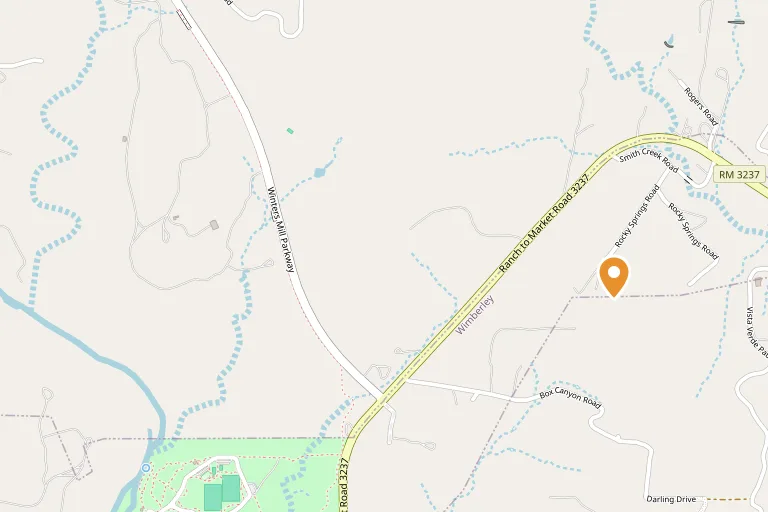
Nova Recovery Center Drug and Alcohol Rehab - Wimberley, TX
601 Old Oaks Ranch Rd, Wimberley, TX 78676
Outpatient Rehab
For individuals who cannot fully step away from family or work, outpatient rehab offers flexibility while still delivering counseling and evidence-based therapy. Outpatient programs are ideal for learning how to deal with a drug addict in the family or how to manage habitually using drugs while building recovery skills.
Sober Living
After rehab, sober living environments help maintain accountability and support. This is especially valuable for those who worry, “why do I get addicted to things easily?” Living among peers in recovery strengthens commitment and reduces relapse risk, bridging the gap between treatment and full independence.
Together, residential rehab, outpatient rehab, and sober living provide a continuum of care for people at their lowest point.
Help is available now
If you’re experiencing one or more of the signs listed above, it may be time to seek professional help through a drug rehab program. At Nova Recovery Center, we offer individualized drug rehab in Austin with evidence-based treatment methods that will help you achieve long-lasting sobriety with positive behavioral therapy and life changes. After residential or outpatient rehab in Austin, Texas, we can also help you locate an Austin sober living program for ongoing support.
Contact us online or call (512) 605-2955 to speak with an admissions representative.
References
References:
- psychiatrictimes.com: Never ending loop homelessness psychiatric disorder and mortality
- aamft.org: Substance abuse and intimate relationships
- /media/2013__08__images_cpia-de-0002CDAR.pdf
Frequently Asked Questions About Addiction, Substance Use, and Rock Bottom
What is SUD?
SUD, or substance use disorder, is a medical diagnosis describing a pattern of compulsive drug or alcohol use that leads to significant impairment. It is classified in the DSM-5 substance use disorder criteria.
Is addiction a disease?
Yes, addiction is considered a chronic disease that alters brain pathways related to motivation and reward.
Is drug addiction a disease?
Drug addiction is recognized as a disease because it changes brain chemistry and leads to compulsive drug seeking despite negative outcomes.
Is addiction a mental disorder?
Addiction is considered both a mental disorder and a mental health disorder because it disrupts normal thinking, emotions, and behaviors.
Is addiction a mental illness?
Yes, addiction is classified as a mental illness in medical literature, impacting both psychological and physical health.
Is substance abuse a mental disorder?
Yes, substance abuse is now defined as part of the spectrum of substance use disorders, which are considered mental health disorders.
What are the symptoms of drug use?
Symptoms of drug use include changes in mood, secrecy, sudden financial problems, withdrawal from loved ones, and visible intoxication.
What are the signs of drug abuse?
Signs of drug abuse include risky behavior, neglecting responsibilities, tolerance, withdrawal, and denial of the problem.
What are the signs of addiction?
Signs of addiction include cravings, increased tolerance, withdrawal, inability to stop, and continuing use despite negative consequences.
What are the symptoms of addiction?
Symptoms of addiction often mirror substance intoxication and include cravings, agitation, sweating, mood swings, and obsessive thinking about substances.
What is the most common type of substance use disorder?
The most common SUD in the United States is alcohol use disorder, though opioid use disorder has become increasingly widespread.
Why do people use drugs?
People use drugs for many reasons, including stress relief, social influence, curiosity, and untreated mental health issues.
Why do I get addicted to things easily?
Some people have genetic, environmental, or psychological vulnerabilities that make them more prone to addiction. This can involve dopamine regulation and coping mechanisms.
How to deal with a drug addict?
Supporting a loved one with addiction requires setting boundaries, encouraging professional treatment, and avoiding enabling behaviors.
How to know if you have an addiction?
If you meet the substance use disorder criteria (such as cravings, loss of control, or neglecting responsibilities) you may have an addiction and should seek professional help.
Which of the following does not lead to addiction?
Healthy habits, such as exercise and balanced nutrition, do not lead to addiction. However, even behaviors like exercise can become addictive if done compulsively.
Is addiction a psychological disorder?
Yes, addiction is often described as a psychological disorder because it involves cognitive, emotional, and behavioral disruptions.
Is addiction a mental health disorder?
Yes, addiction is a recognized mental health disorder that requires evidence-based treatment.
What is substance intoxication?
Substance intoxication refers to the immediate physical and mental changes caused by drugs or alcohol, such as slurred speech, impaired coordination, and mood swings.
What is substance use and misuse?
Substance use refers to occasional or social use, while substance misuse occurs when drugs or alcohol are used in unhealthy or risky ways.
What is active addiction?
Active addiction refers to the ongoing cycle of drug or alcohol use despite knowing the consequences.
What are the two most important symptoms of substance dependence?
The two hallmark symptoms are tolerance (needing more to achieve the same effect) and withdrawal symptoms when stopping use.
Other Outpatient Drug and Alcohol Rehab Locations
-
IOP in Austin → Get directions ↗
-
IOP in San Antonio → Get directions ↗
-
IOP in Colorado Springs → Get directions ↗


What clients say
Trusted by clients across Texas
4.6 from 434 Google reviews across 9 locations
Across Nova Recovery Center, Briarwood Detox Center and Eudaimonia Recovery Homes
★★★★★
“Nova is far from perfect, and some of the information can be misleading. But if you want to cover the 12 Steps while enjoying good food and a beautiful scenic view, this is the place for you. The…”
10 months ago · Wimberley
★★★★★
“I did 90 days at Nova Recovery 6 years ago. I am still sober today. And living a life I could have never imagined. The people and the program they are running impacted me for a lifetime. Better than…”
2 years ago · Wimberley
★★★★★
“I went to Nova almost 9 months ago and I wouldn’t change it for the world. The staff when I first entered were very nice and welcoming. As a 19 year old that didn’t know what I was getting myself…”
2 years ago · Austin
★★★★★
“Nova Recovery Center has been an invaluable part of my journey to sobriety. The intensive inpatient program, coupled with the unwavering support and guidance from my recovery specialist, Mark Rector…”
2 years ago · Austin


★★★★★
“I had such a positive experience at Nova Recovery in Wimberley! The staff genuinely cares and went above and beyond to support me every step of the way. The peaceful setting made it easier to focus…”
a year ago · Wimberley
★★★★★
“I love Nova so freaking much. Nova has saved my life in more ways than one. I was hopeless and had no solution suffering from this disease. The staff there never gave up on me. I was the worst client…”
2 years ago · Austin
★★★★★
“I know Mark rector is non-binary however it saved my life and it did a good job with CPR and I don't know how aside from staying sober I could ever repay it thank you Mr or Mrs or whatever you're…”
8 months ago · Austin
★★★★★
“It's been a few years since I was a patient at Nova Recovery Center. Recently I have been reflecting on my time there and how incredibly grateful I am for the experience I had. I have been to 7 rehab…”
2 years ago · Austin


Talk to someone today
Ready when you are
Admissions are answered 24 hours a day by a person, not a queue. We will check your benefits for free and tell you what treatment would actually cost.
Free and confidential · No obligation