
Addiction
Finding the Right Drug Rehab Facility in Austin, Texas
Excellent 4.6 out of 5 434 Google reviews across our locations




Published July 5, 2023
Reviewed and updated September 17, 2025
For finding the right drug rehab facility in Austin, this decision is central to one’s journey towards recovery. Austin, as a city, offers an abundance of options and resources for individuals seeking help with substance abuse. However, with so many choices available, it can be overwhelming to pinpoint the facility that will best cater to your specific needs and circumstances.






What to Look For in a Drug Rehab Facility
Ultimately, finding the right drug rehab facility in Austin is an important step towards achieving long-term recovery. Here are some factors to consider when searching for a drug rehab facility in Austin:
- Treatment Approach: Different drug rehab facilities may have varying treatment approaches and philosophies. It is important to understand what approach resonates with you and aligns with your recovery goals. Some facilities may focus on evidence-based practices, while others may incorporate alternative therapies and holistic approaches. Researching and understanding the treatment approach of each facility can help you make an informed decision.
- Specializations: Just as every individual’s journey to recovery is unique, their treatment needs may also vary. Some drug rehab facilities in Austin specialize in treating specific substance addictions, such as opioids or alcohol. Others may cater to certain populations, such as adolescents, LGBTQ+ individuals, or professionals. Identifying a facility that specializes in your specific needs can increase the effectiveness and relevance of the treatment provided.
- Accreditation and Licensing: Ensuring that the drug rehab facility you choose is accredited and licensed is crucial. Accreditation from reputable organizations, such as the Joint Commission or the Commission on Accreditation of Rehabilitation Facilities (CARF), ensures that the facility meets certain quality standards in terms of treatment, facilities, and staff qualifications. Licensing from the state regulatory bodies ensures compliance with regulations and safety standards.
- Treatment Modalities and Services: Consider the range of treatment modalities and services offered by the rehab facility. A comprehensive drug rehab program should include a combination of individual therapy, group therapy, family therapy, medication-assisted treatment (if applicable), life skills development, and aftercare planning. Having a diverse range of therapeutic options ensures that your specific needs are addressed throughout your recovery journey.
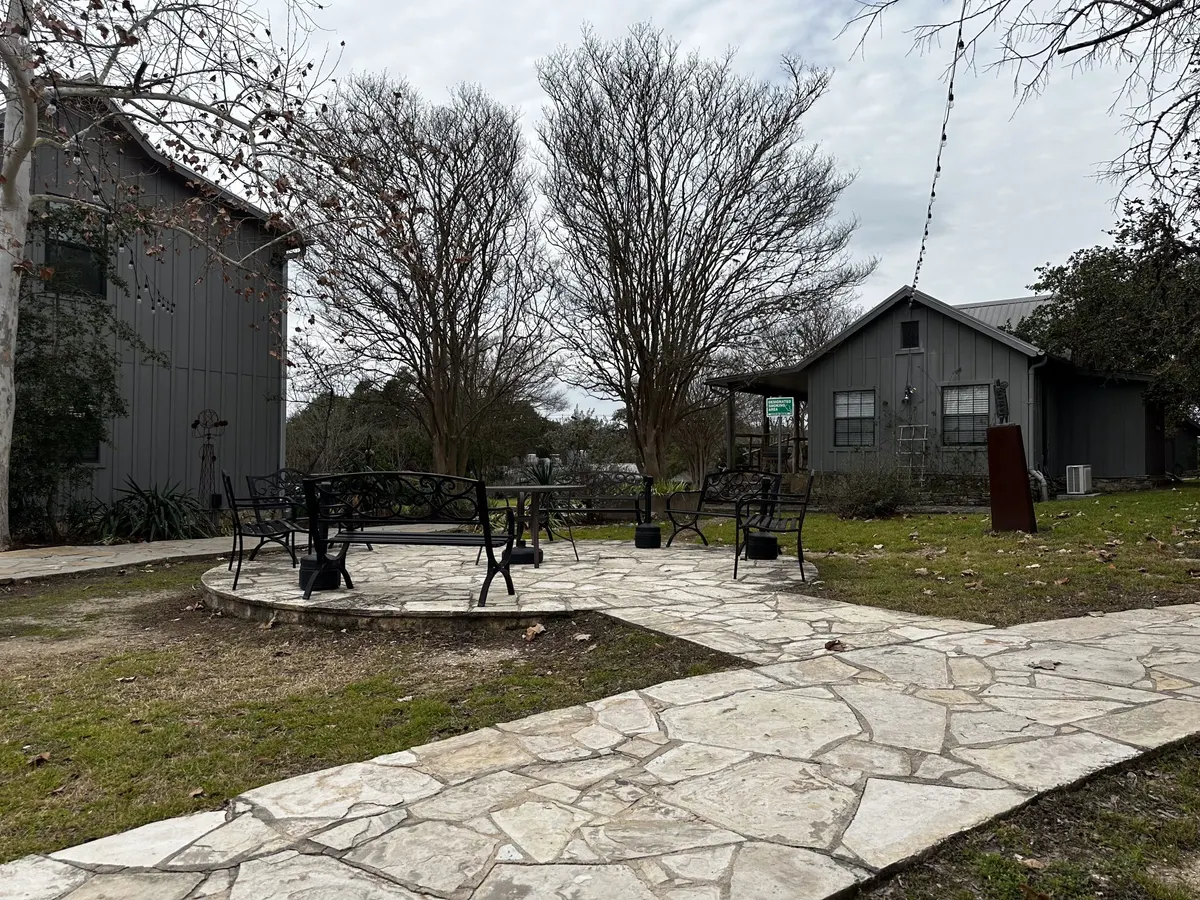
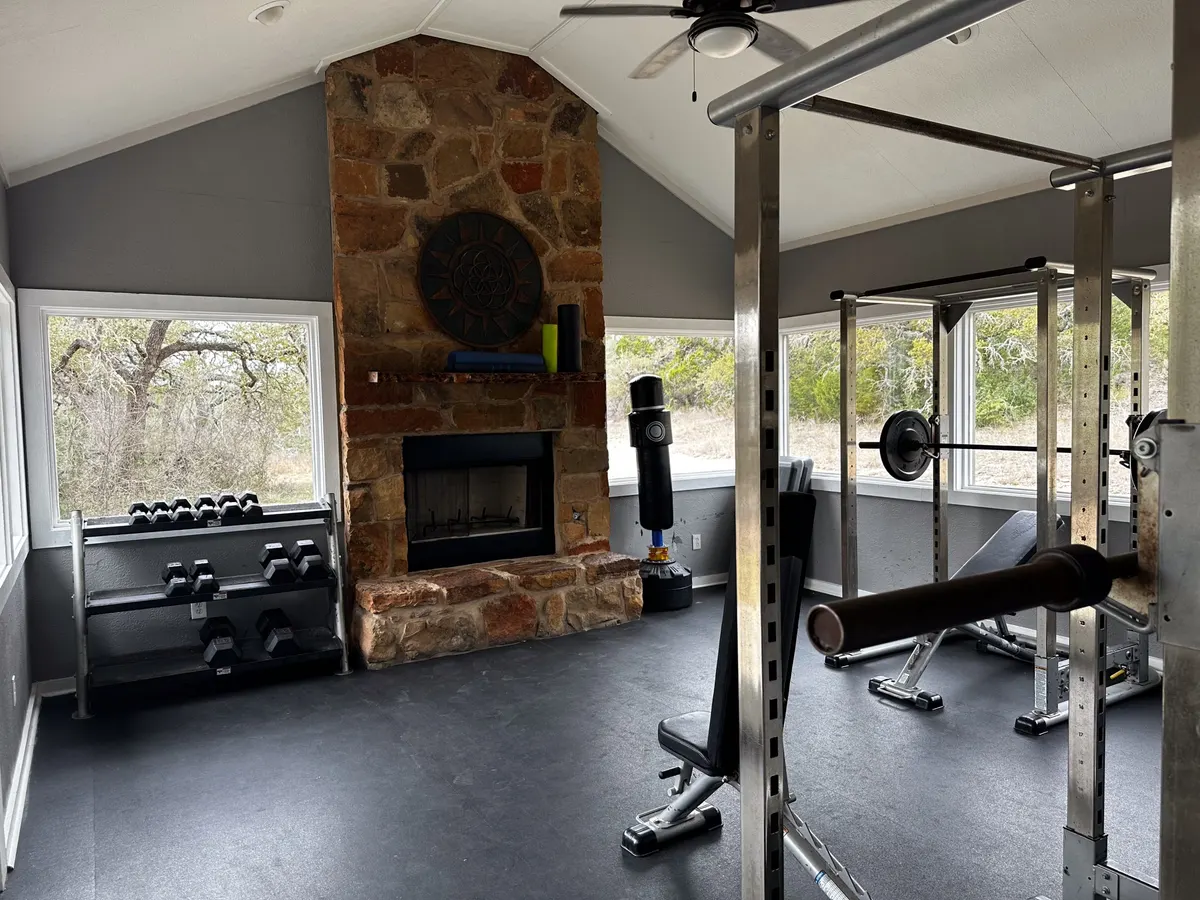
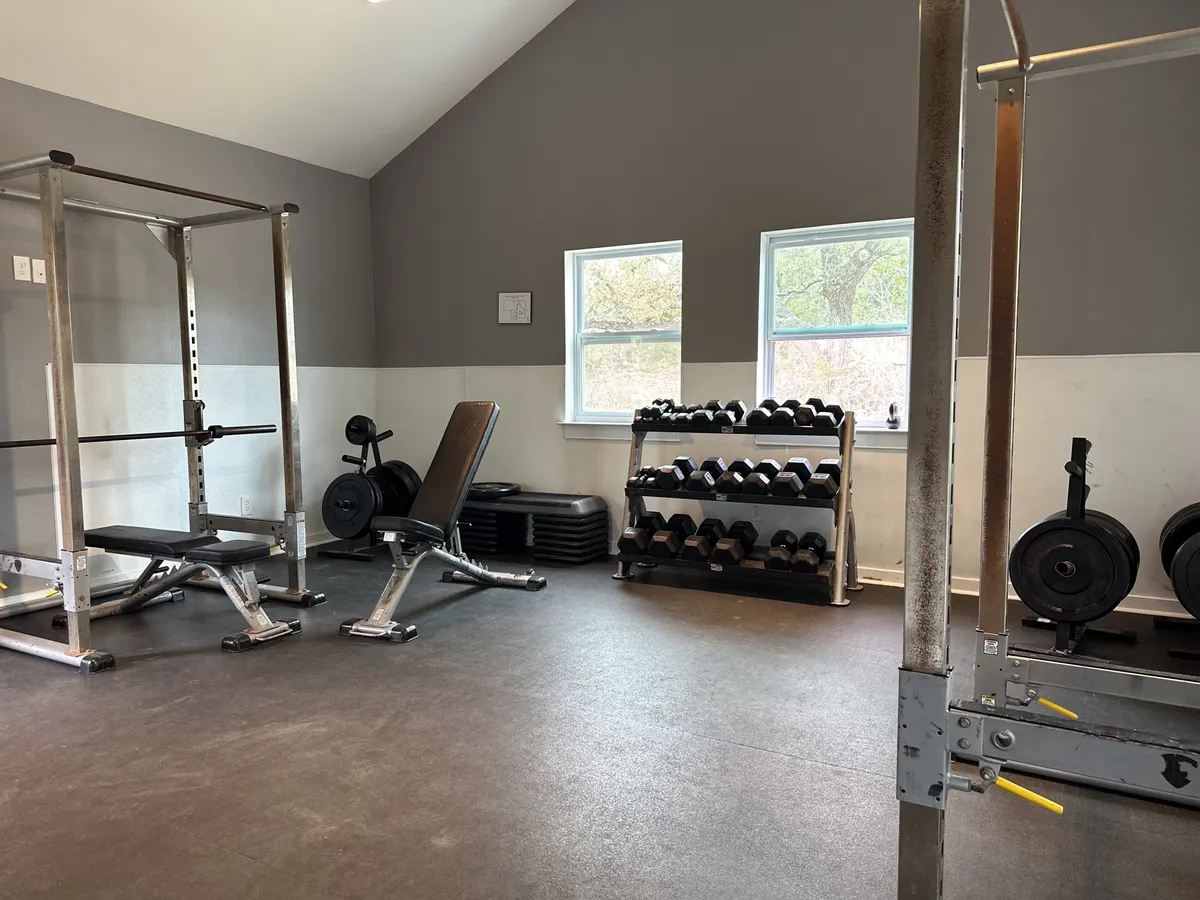
- Facility Amenities and Environment: The environment and amenities of a drug rehab facility can greatly impact your overall experience. Some individuals may prefer a serene and secluded setting, while others may thrive in a more vibrant and community-oriented environment. Consider whether you prioritize privacy, access to nature, recreational activities, or specialized amenities such as yoga studios or art therapy spaces. Assessing the facility’s environment and amenities can help create a supportive and comfortable atmosphere for your recovery.
- Insurance and Financial Considerations: It is essential to determine whether the drug rehab facility accepts your insurance coverage, as well as any out-of-pocket costs you may be responsible for. Contact the facility and inquire about their payment options, financial assistance programs, and any potential hidden costs to ensure you can afford the treatment without unnecessary financial stress.
- Reviews and Testimonials: Researching reviews and testimonials from previous clients can provide valuable insights into the experiences and outcomes of individuals who have sought treatment at a specific drug rehab facility in Austin. Look for testimonials that highlight positive experiences, successful recovery outcomes, and strong support from the facility’s staff.

Freedom Starts Here. Take Back Your Life Today.
Same-Day Admissions in Austin Available.
The Importance of a Personalized Treatment Plan
When seeking drug rehab in Austin, it is crucial to understand the significance of a personalized treatment plan. Everyone’s recovery journey is different, so a one-size-fits-all approach may not work for their specific needs and challenges. A personalized plan considers addiction, medical history, mental health, and goals to create a tailored approach for recovery.
A personalized treatment plan begins with a thorough assessment of the individual’s substance addiction. This means knowing the drug being abused, how long and severe the addiction is, and if any other substances are involved. This info is important for creating a treatment plan that targets the specific challenges of that drug.
Medical history also is central to designing a personalized treatment plan. Certain individuals may have pre-existing physical health conditions that need to be considered in their recovery journey. Some addictive substances can harm organs or systems. This must be considered for the person’s safety during treatment.
Many people with mental health problems also use drugs to deal with their emotions and psychological issues. A personalized plan will consider the person’s mental health, including depression, anxiety, or trauma-related conditions, through a thorough evaluation. Treating substance addiction and mental health together can help improve overall well-being and recovery.
Why a personalized treatment plan is essential
- Targeted Treatment: A personalized treatment plan allows healthcare professionals to target the specific substance addiction and underlying issues that contribute to the addiction. The treatment team can determine the causes of addiction and identify any mental health issues or obstacles that could hinder recovery. With this information, they can design a treatment approach that directly addresses these unique needs, increasing the chances of successful recovery.
- Flexibility and Adaptability: Recovery is not a linear process, and individuals may face different challenges and setbacks along the way. A personalized treatment plan allows for flexibility and adaptability to accommodate these fluctuations. The team can adjust their approach as needed. They will ensure that the person receives appropriate care at every stage of their recovery. This flexibility helps to prevent stagnation and promotes ongoing progress towards long-term sobriety.
3. Addressing Co-occurring Disorders: Many individuals struggling with substance addiction also have co-occurring mental health disorders, such as anxiety, depression, or trauma-related conditions. A personalized treatment plan takes into account these co-occurring disorders and integrates appropriate therapeutic interventions to address them. By treating both the substance addiction and the underlying mental health issues, individuals have a greater chance of achieving lasting recovery.
4. Building Motivation and Engagement: One of the keys to successful recovery is maintaining motivation and engagement throughout the treatment process. A personalized treatment plan takes into consideration the individual’s values, interests, and goals, aligning the treatment approach with their personal motivations. This helps to establish a sense of ownership and commitment to the recovery process, increasing the likelihood of positive outcomes.
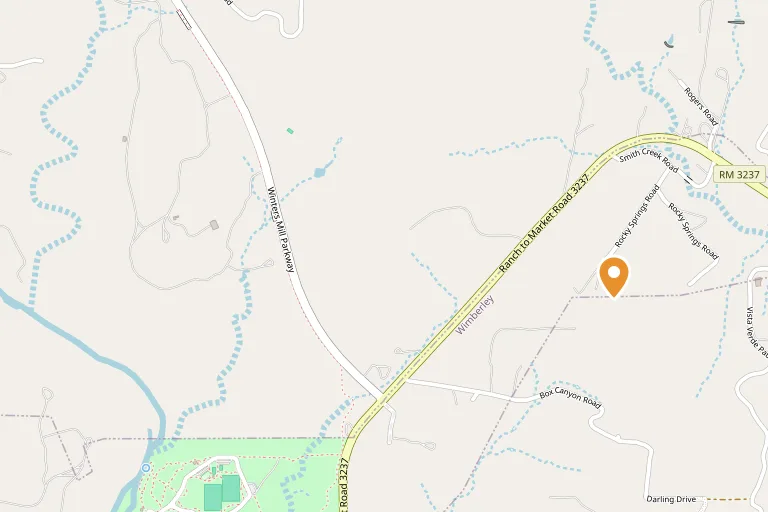
Residential
Nova Recovery Center Drug and Alcohol Rehab - Wimberley, TX
601 Old Oaks Ranch Rd, Wimberley, TX 78676
5. Long-Term Planning: A personalized treatment plan goes beyond the immediate recovery phase and incorporates long-term planning for ongoing sobriety. It has plans to prevent relapse, plan for aftercare, and create support networks for ongoing support and responsibility after leaving rehab. Having a long-term view helps people learn the necessary skills and tools to stay sober and handle life after rehab.
A personalized treatment plan is a vital component of drug rehab in Austin. It recognizes the uniqueness of each individual’s journey to recovery and tailors the treatment approach accordingly. A personalized treatment plan helps people recover and live a healthier life. It does this by meeting their specific needs, giving holistic care, and being flexible.
Support and Resources for Loved Ones
Family members and friends are central to providing support, encouragement, and understanding during this challenging time. Here are some support and resources available for loved ones of individuals in drug rehab:
- Family Therapy: Many drug rehab facilities offer family therapy sessions as part of their treatment program. Family therapy provides a safe space for loved ones to express their concerns, emotions, and experiences related to their loved one’s addiction. It also helps improve communication, rebuild trust, and strengthen relationships within the family system. Family therapy sessions can offer valuable insights, coping strategies, and tools for supporting their loved one’s recovery journey effectively.
- Support Groups: There are various support groups specifically designed for family members and friends of individuals with substance addiction. Al-Anon and Nar-Anon groups offer support and connection for loved ones with similar experiences. These groups offer a non-judgmental space to share worries, gain knowledge about addiction, and learn effective coping mechanisms. Support group meetings often include educational resources, guest speakers, and discussions on topics related to addiction and recovery.
- Educational Programs: Drug rehab facilities may offer educational programs or workshops for loved ones to learn more about addiction, the recovery process, and how to best support their family member or friend. These programs assist loved ones in comprehending addiction as a disease. They also provide guidance on coping strategies for challenging situations. They offer support in establishing healthy boundaries. Education empowers loved ones to be better equipped to offer support and care during and after their loved one’s treatment.
- Counseling and Therapy: Seeking individual counseling or therapy can be beneficial for loved ones dealing with the emotional impact of their loved one’s addiction. Counselors or therapists experienced in addiction-related issues can help loved ones process their emotions, develop healthy coping mechanisms, and strengthen their own well-being. Individual therapy offers a confidential setting to talk about personal concerns. It also provides a safe space to seek understanding. It helps individuals find effective strategies to support their loved ones positively.
- Self-Care and Boundaries: Caring for a loved one in drug rehab can be emotionally draining, and it is important for family members and friends to prioritize their own well-being. Practicing self-care activities such as exercise, meditation, hobbies, and spending time with supportive friends can help maintain emotional balance and resilience. Setting clear boundaries is also crucial to protect one’s own mental and emotional health while offering support. Loved ones should openly communicate their boundaries and limits while still expressing love and concern for their recovering loved one.
- Community Resources: Local community resources, such as helplines, counseling centers, and online forums, can provide additional support for loved ones of individuals in drug rehab. Helplines offer immediate support and guidance during moments of crisis or when additional information is needed. Counseling centers may provide specialized programs specifically geared towards supporting the families of individuals in recovery. Online forums or support groups can offer a sense of connection, sharing experiences, and accessing a wider range of resources.
Sober Fun Points of Interest in Austin, Texas
Austin, Texas is famous for its lively nightlife, but you don’t need alcohol to enjoy everything this city has to offer. If you’re living a sober lifestyle or simply want alcohol-free activities, Austin is packed with exciting options that highlight its culture, music, food, and outdoor beauty. From local landmarks to hidden gems, here are some of the best sober activities in Austin.
Enjoy Austin’s Live Music Scene
Known as the Live Music Capital of the World, Austin’s music scene is second to none. Legendary venues like The Continental Club on South Congress or Antone’s Nightclub downtown provide unforgettable experiences with local and touring artists. Each spring, SXSW (South by Southwest) brings thousands of performers to the city, making it one of the biggest music events in the country. Best of all, you don’t need a drink in hand to soak in the energy of Austin’s iconic music culture.
Recovery With Nova
At Nova Recovery Center, Houston we provide our patients with a very comfortable detox process, where medical professionals provide monitoring and care around the clock. You will be provided with all the medications you need to combat the withdrawal symptoms. You will enroll in the in-patient recovery program where you’ll learn to stay away from drugs, through counseling, group therapy, and so on.
Nova Recovery Center commits to helping you overcome your addiction so you can get back to what is most important to you. If you or someone you know are struggling with addiction, Nova Recovery Center can provide support. We have locations in Austin, Houston, and Wimberley Texas. Call today to begin your journey in recovery at (512) 605-2955.
Other Outpatient Drug and Alcohol Rehab Locations
-
IOP in Austin →
-
IOP in San Antonio →
-
IOP in Colorado Springs →



Frequently Asked Questions About Drug Rehab in Austin, Texas
What types of drug rehab options are available in Austin, TX?
Austin has a wide range of treatment programs to fit different needs. Inpatient rehab provides 24/7 care in a structured environment, while outpatient rehab allows people to live at home and attend therapy sessions several times a week. There are also long-term recovery programs designed for those who need extended support.
How do I choose the right drug rehab facility in Austin?
Choosing the right facility comes down to personal needs. Consider the type of care offered, whether it’s inpatient or outpatient, the level of personalized attention, the use of evidence-based treatments, and the availability of aftercare support to help you transition into everyday life.
Does Nova Recovery Center in Austin offer both inpatient and outpatient services?
Yes. Nova Recovery Center provides a full continuum of care, including inpatient rehab, outpatient programs, medical detox, and sober living options. This allows individuals to receive the level of support they need at each stage of recovery.
What is addiction treatment like in Austin, and what should I expect?
Addiction treatment typically begins with detox to safely manage withdrawal symptoms. From there, individuals take part in therapy, which may include individual counseling, group sessions, and family support. Many programs also use holistic approaches to address the whole person. Aftercare services help maintain long-term recovery.
What is the difference between inpatient and outpatient rehab in Austin?
Inpatient rehab requires clients to live at the facility full-time, making it ideal for those with severe addictions or those who need distance from daily triggers. Outpatient rehab offers flexibility by allowing individuals to live at home while still receiving structured treatment several days a week.
What does long-term recovery look like in Austin?
Long-term recovery often involves extended treatment programs, continued therapy, and participation in support groups. Many people also transition into sober living homes where they can maintain structure and accountability while building independence.
How can I find professional help for addiction in Austin?
Professional help is available throughout Austin. Many centers provide personalized treatment plans, support for co-occurring mental health issues, and a variety of therapies. Reaching out to a local rehab facility or addiction specialist is often the first step toward recovery.
What clients say
Trusted by clients across Texas
4.6 from 434 Google reviews across 9 locations
Across Nova Recovery Center, Briarwood Detox Center and Eudaimonia Recovery Homes
★★★★★
“Nova is far from perfect, and some of the information can be misleading. But if you want to cover the 12 Steps while enjoying good food and a beautiful scenic view, this is the place for you. The…”
10 months ago · Wimberley
★★★★★
“I did 90 days at Nova Recovery 6 years ago. I am still sober today. And living a life I could have never imagined. The people and the program they are running impacted me for a lifetime. Better than…”
2 years ago · Wimberley
★★★★★
“I went to Nova almost 9 months ago and I wouldn’t change it for the world. The staff when I first entered were very nice and welcoming. As a 19 year old that didn’t know what I was getting myself…”
2 years ago · Austin
★★★★★
“Nova Recovery Center has been an invaluable part of my journey to sobriety. The intensive inpatient program, coupled with the unwavering support and guidance from my recovery specialist, Mark Rector…”
2 years ago · Austin


★★★★★
“I had such a positive experience at Nova Recovery in Wimberley! The staff genuinely cares and went above and beyond to support me every step of the way. The peaceful setting made it easier to focus…”
a year ago · Wimberley
★★★★★
“I love Nova so freaking much. Nova has saved my life in more ways than one. I was hopeless and had no solution suffering from this disease. The staff there never gave up on me. I was the worst client…”
2 years ago · Austin
★★★★★
“I know Mark rector is non-binary however it saved my life and it did a good job with CPR and I don't know how aside from staying sober I could ever repay it thank you Mr or Mrs or whatever you're…”
8 months ago · Austin
★★★★★
“It's been a few years since I was a patient at Nova Recovery Center. Recently I have been reflecting on my time there and how incredibly grateful I am for the experience I had. I have been to 7 rehab…”
2 years ago · Austin


Keep reading
- The Path to Recovery in Austin, Texas: Exploring Effective Drug Rehab Options
- How to Choose the Right Drug Rehab in Austin, Texas for Your Recovery
- Crafting a Professional Email to Notify Your Employer about Attending Drug Rehab
- Navigating the Road to Recovery: A Professional’s Guide to Drug Rehab in Austin, Texas
Talk to someone today
Ready when you are
Admissions are answered 24 hours a day by a person, not a queue. We will check your benefits for free and tell you what treatment would actually cost.
Free and confidential · No obligation