
Recovery
Week 2 of Recovery Month 2025: Home as a Safe Place to Heal
Excellent 4.6 out of 5 434 Google reviews across our locations





Published September 15, 2025
Reviewed and updated August 30, 2025
September 8–14 marks Week 2 of Recovery Month 2025, and this week’s theme reminds us of one simple but powerful truth: home is more than a place to sleep: it’s a place to feel safe, supported, and seen.
“Healing happens when you feel seen and safe at home.”
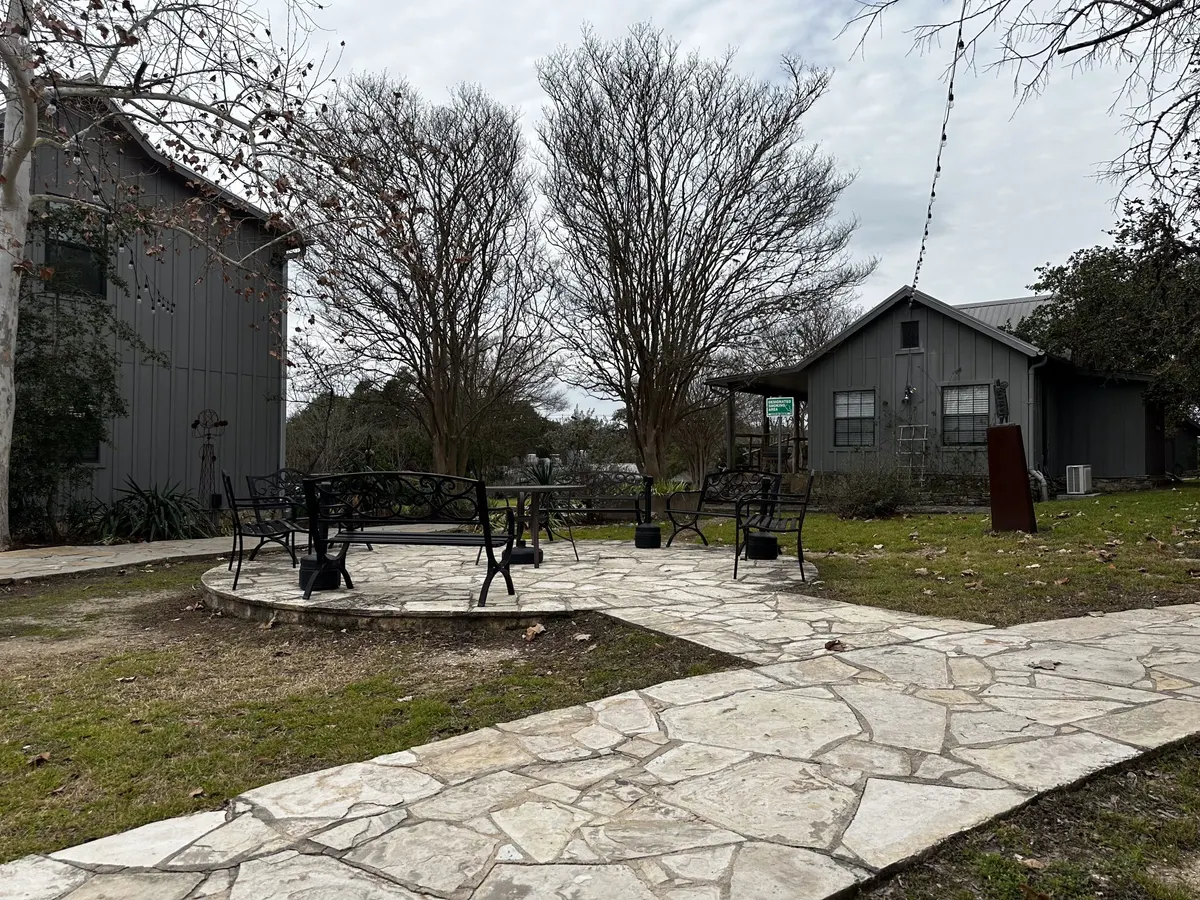
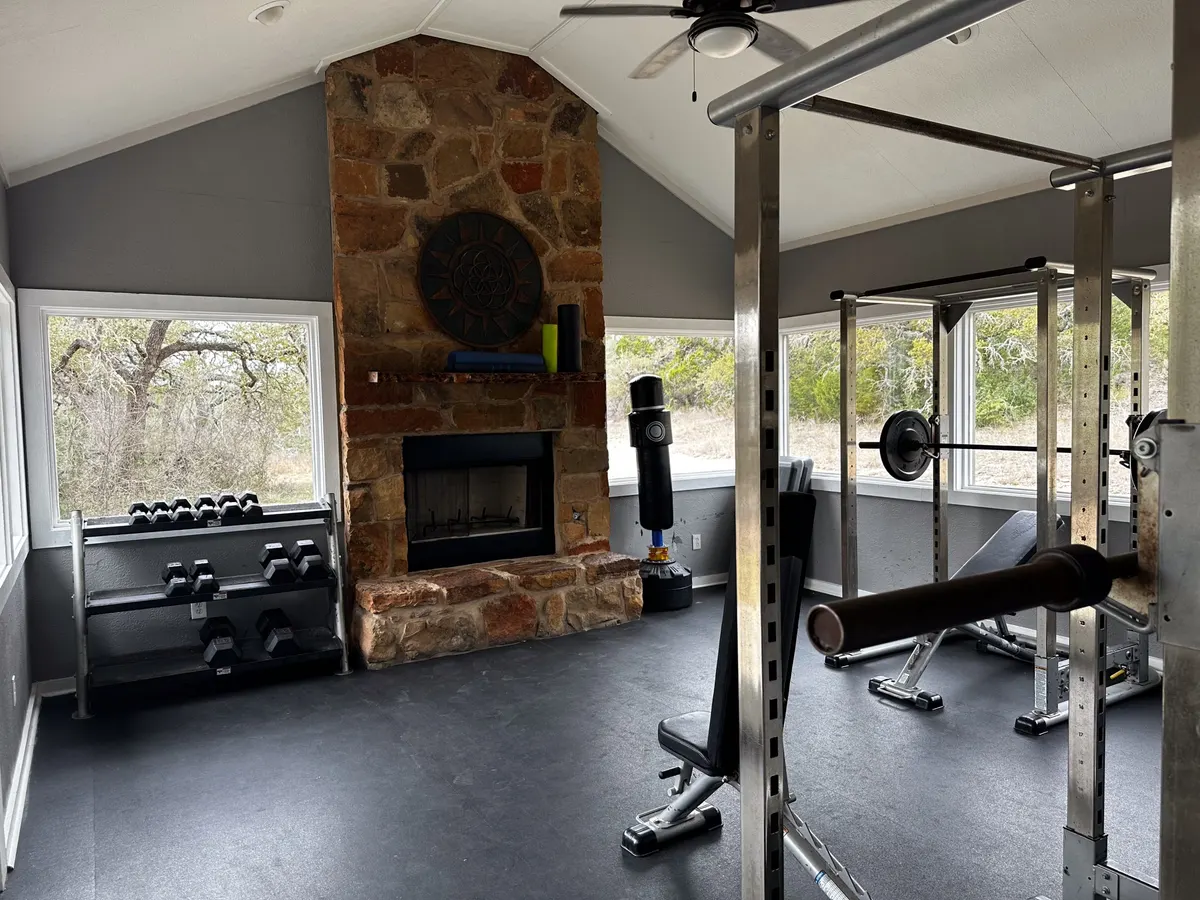
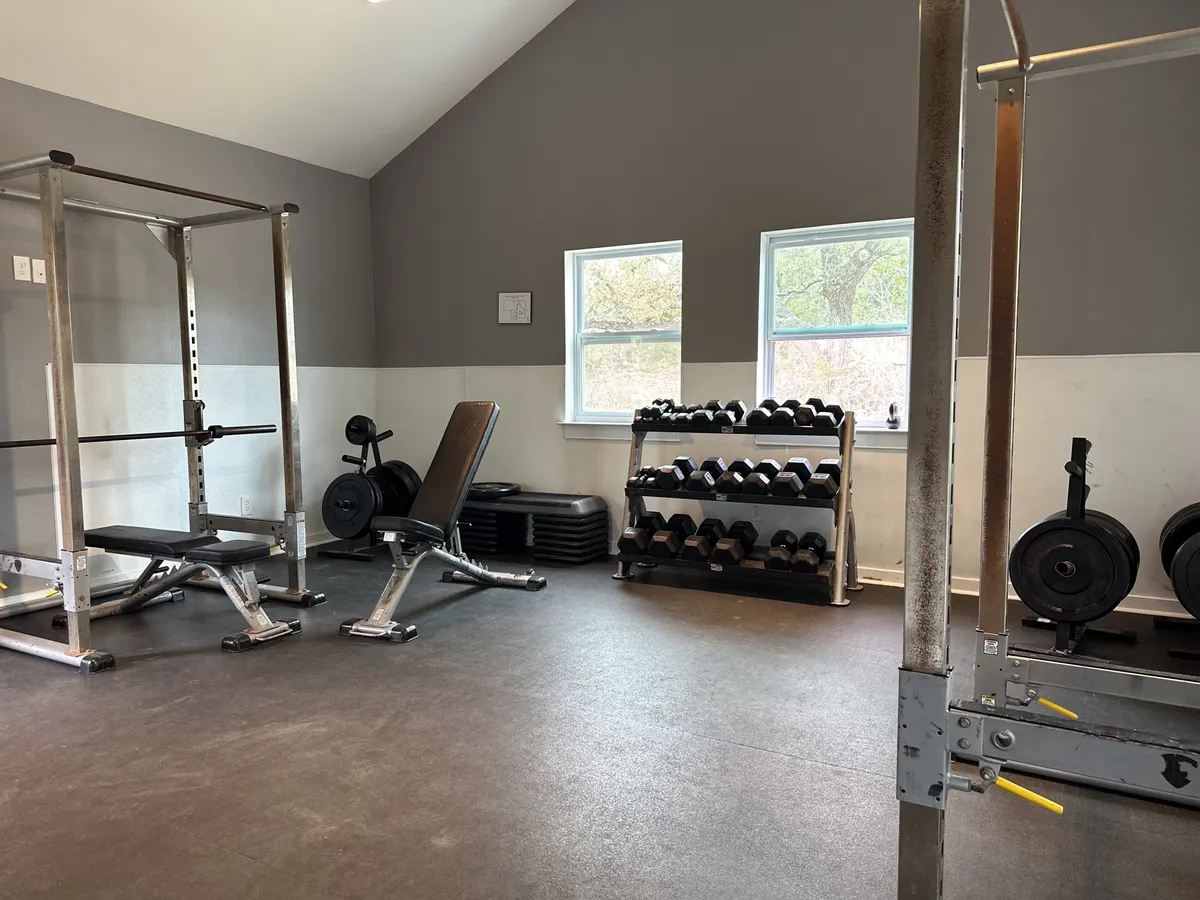

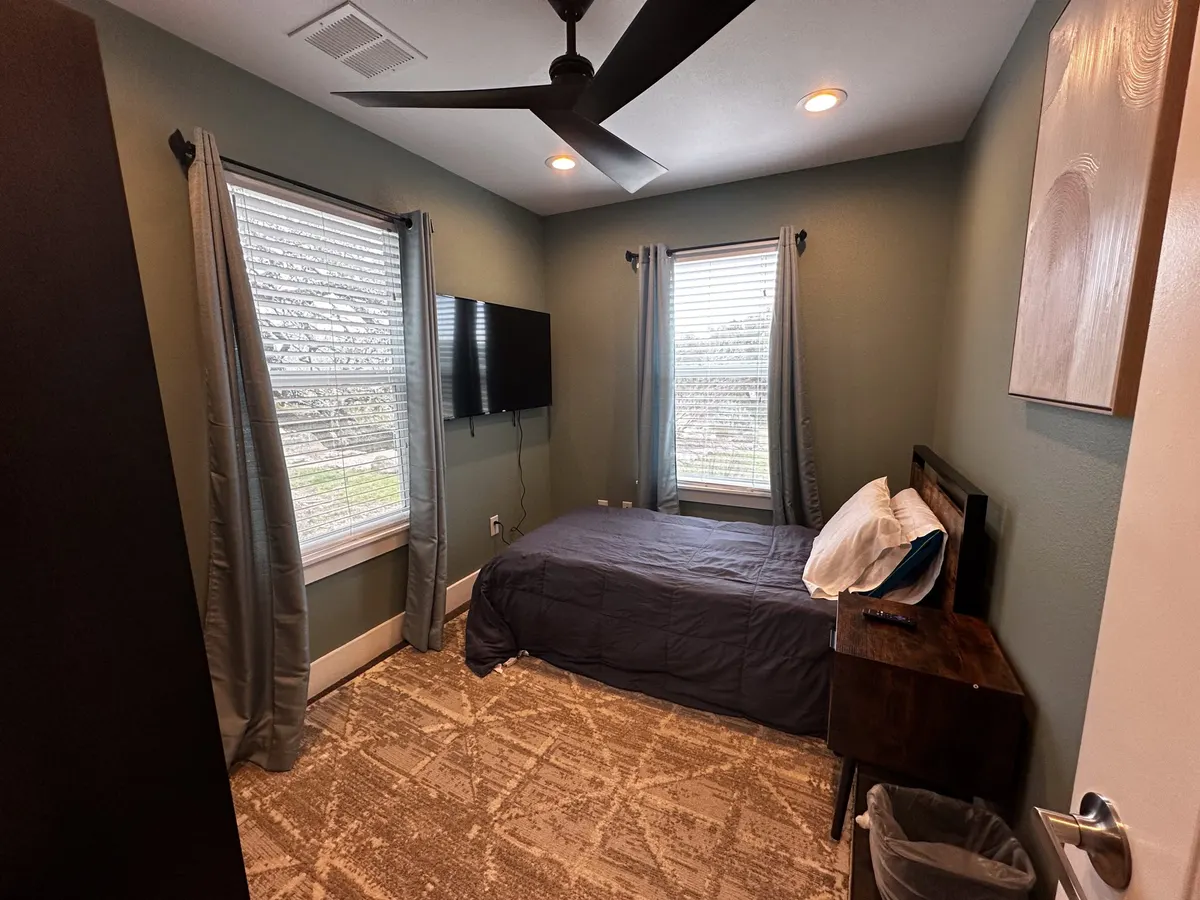

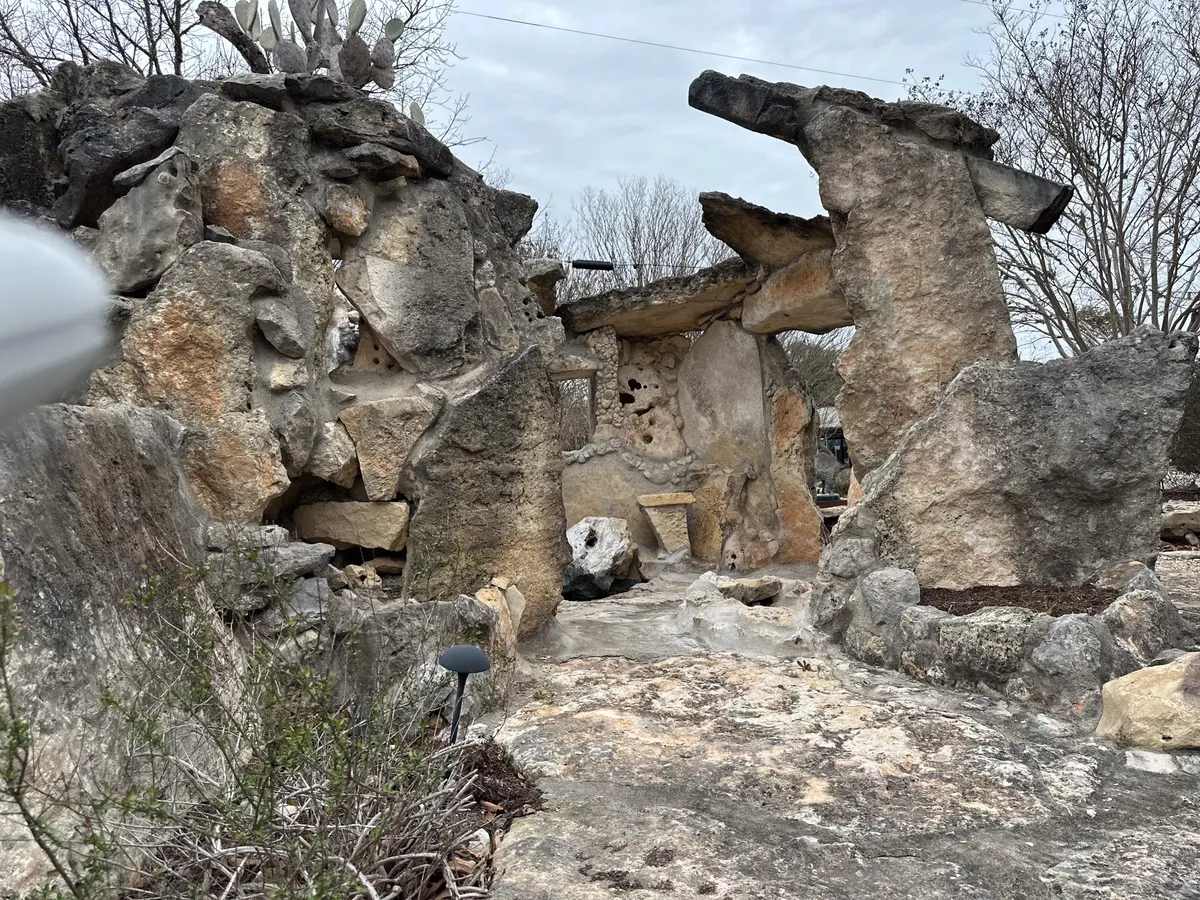


That statement captures the essence of recovery in Week 2. Addiction recovery requires stability, trust, and accountability. Without a supportive environment, even the strongest intentions can feel fragile. This week, Recovery Month asks us to think about how important the idea of “home” really is, whether that means your own household, a sober living community, or a new environment built during life’s transitions.
Home Is More Than Shelter
When most people think about recovery, they picture therapy, treatment, or medical care. But what happens when you leave those spaces? The environment you return to matters just as much as the treatment itself.
A home environment can either strengthen recovery or undermine it. A supportive home provides:
- SafetyA space free from substances, conflict, or triggers.
- StabilityA steady place to live, free from chaos or uncertainty.
- SupportEncouragement, accountability, and a sense of belonging.
For many people, sober living communities provide this stability during early recovery. These spaces are intentionally structured to foster accountability and healing. For others, reconnecting with family or rebuilding relationships creates a new sense of safety.
Why a Supportive Home Matters in Recovery
Recovery is not just about removing substances; it’s about rebuilding life on a strong foundation. And that foundation often begins at home.
A safe home allows people in recovery to focus on healing inside and out rather than surviving instability.
Trust and accountability within the household help prevent relapse by creating routines and support systems.
Comfort in the home environment allows individuals to relax, rest, and rebuild confidence.
In many ways, recovery is about creating a life worth staying sober for, and that life starts in the home.
Freedom Starts Here. Take Back Your Life Today.
Same-Day Admissions in Austin Available.
Recovery Is a Family Affair
“Recovery is a family affair.”
No one heals alone. Families and chosen families are central to the recovery process. A loved one’s encouragement, patience, and understanding can make a world of difference.
This week of Recovery Month is also about honoring the people who stand beside those in recovery:
Parents and partners who offer support and structure.
Friends and peers who provide encouragement without judgment.
Children and siblings who remind us of the deeper “why” behind recovery.
If you’re a support person, this is the perfect time to ask yourself: How can I be a stronger advocate and ally? Sometimes it’s as simple as listening, showing patience, or attending family support groups like Al-Anon or Nar-Anon.
Building a Home That Supports Healing
Whether you are creating a new environment or strengthening your current one, here are practical ways to foster a home that supports recovery:
Establish Boundaries, Create a substance-free environment where recovery can flourish.
Build Routines, Encourage structure with meal times, chores, or family activities.
Encourage Openness, Make space for honest communication without shame or judgment.
Seek Community, Join support groups or recovery programs that bring encouragement into the home.
Celebrate Progress. Recognize milestones, no matter how small.
Home as a Cornerstone of Long-Term Recovery
A supportive home is not just a backdrop, it’s a cornerstone of long-term recovery. It’s where healing is practiced every day, where accountability lives, and where hope is rebuilt.
As we reflect during Week 2 of Recovery Month 2025, let’s remember that recovery thrives in environments filled with safety, support, and compassion. Whether you are in recovery yourself or standing beside a loved one, you have the power to make home a place of healing.
This week, ask yourself: How can I make my home, or my support, part of someone’s recovery journey?
Other Drug and Alcohol Rehab Locations
-
Drug Detox in Austin, Texas →
-
Drug Detox in San Antonio, Texas →
-
Drug Detox in Houston, Texas →


Frequently Asked Questions: Home as a Safe Place to Heal in Recovery
What is Recovery Month 2025 and what does Week 2 focus on?
Recovery Month 2025 is a nationwide observance in September that celebrates healing from addiction and emphasizes the pillars of recovery. Week 2 shines a spotlight on ‘Home (A Safe Place to Heal,’ reminding us that recovery thrives in environments grounded in safety, stability, and support) both in the family and community settings.
Why is having a safe home important for recovery?
A safe home, whether with family or in a sober living community, offers structure, substance-free space, and emotional security. Studies show that recovery housing helps reduce relapse, improve family functioning, and lower criminal involvement, serving as a vital foundation for long-term healing.
What is a sober living community and how does it support sobriety?
A sober living house is a structured, substance-free environment where individuals transitioning from treatment can rebuild routines and stay accountable. These homes foster peer support, illness-free living, and independence, all key ingredients for creating a stable foundation in recovery.
What role do families play in the recovery process?
Recovery is often a family affair, not just healing for the individual but for loved ones, too. Families provide encouragement, create healthy environments, establish boundaries, and model accountability. When families are involved in recovery, safety and trust grow, and the healing journey gains strength.
How can I create a supportive home environment that encourages healing?
It can be as simple as keeping the home substance-free, setting clear boundaries, supporting honest conversation, celebrating progress, and including loved ones in recovery support groups like Al-Anon or family peer meetings. These small steps make home safer, more stable, and healing-oriented.
Does stability at home help sustain long-term recovery?
Absolutely. Studies underscore that safe and stable housing, especially recovery housing, improves outcomes by promoting continuity, reducing stress, and supporting routine. A supportive home environment anchors people in recovery, helping sustain positive change.
How does accountability in the home support sobriety?
Accountability through structure, peer support, shared routines, and sober living rules reinforces sobriety. Whether it’s a family checking in or a sober home with agreed-upon expectations, the presence of consistent support and accountability makes recovery more sustainable.
Can recovery happen at home without formal housing programs?
es. Healing at home in recovery is absolutely possible, especially when you build a supportive environment for sobriety. By honoring recovery’s needs through a substance-free environment, stable routines, and emotional openness, any home can become a place of healing.
What clients say
Trusted by clients across Texas
4.6 from 434 Google reviews across 9 locations
Across Nova Recovery Center, Briarwood Detox Center and Eudaimonia Recovery Homes
★★★★★
“Nova is far from perfect, and some of the information can be misleading. But if you want to cover the 12 Steps while enjoying good food and a beautiful scenic view, this is the place for you. The…”
10 months ago · Wimberley
★★★★★
“I did 90 days at Nova Recovery 6 years ago. I am still sober today. And living a life I could have never imagined. The people and the program they are running impacted me for a lifetime. Better than…”
2 years ago · Wimberley
★★★★★
“I went to Nova almost 9 months ago and I wouldn’t change it for the world. The staff when I first entered were very nice and welcoming. As a 19 year old that didn’t know what I was getting myself…”
2 years ago · Austin
★★★★★
“Nova Recovery Center has been an invaluable part of my journey to sobriety. The intensive inpatient program, coupled with the unwavering support and guidance from my recovery specialist, Mark Rector…”
2 years ago · Austin


★★★★★
“I had such a positive experience at Nova Recovery in Wimberley! The staff genuinely cares and went above and beyond to support me every step of the way. The peaceful setting made it easier to focus…”
a year ago · Wimberley
★★★★★
“I love Nova so freaking much. Nova has saved my life in more ways than one. I was hopeless and had no solution suffering from this disease. The staff there never gave up on me. I was the worst client…”
2 years ago · Austin
★★★★★
“I know Mark rector is non-binary however it saved my life and it did a good job with CPR and I don't know how aside from staying sober I could ever repay it thank you Mr or Mrs or whatever you're…”
8 months ago · Austin
★★★★★
“It's been a few years since I was a patient at Nova Recovery Center. Recently I have been reflecting on my time there and how incredibly grateful I am for the experience I had. I have been to 7 rehab…”
2 years ago · Austin


Talk to someone today
Ready when you are
Admissions are answered 24 hours a day by a person, not a queue. We will check your benefits for free and tell you what treatment would actually cost.
Free and confidential · No obligation