
Nova Recovery Center
Mescaline & Peyote: Understanding the Sacred Cactus and Its Psychedelic Alkaloid
Admissions answered 24 hours a day · Free and confidential
Excellent 4.6 out of 5 434 Google reviews across our locations



What clients say
Trusted by clients across Texas
4.6 from 434 Google reviews across 9 locations
Across Nova Recovery Center, Briarwood Detox Center and Eudaimonia Recovery Homes
★★★★★
“Nova is far from perfect, and some of the information can be misleading. But if you want to cover the 12 Steps while enjoying good food and a beautiful scenic view, this is the place for you. The…”
10 months ago · Wimberley
★★★★★
“I did 90 days at Nova Recovery 6 years ago. I am still sober today. And living a life I could have never imagined. The people and the program they are running impacted me for a lifetime. Better than…”
2 years ago · Wimberley
★★★★★
“I went to Nova almost 9 months ago and I wouldn’t change it for the world. The staff when I first entered were very nice and welcoming. As a 19 year old that didn’t know what I was getting myself…”
2 years ago · Austin
★★★★★
“Nova Recovery Center has been an invaluable part of my journey to sobriety. The intensive inpatient program, coupled with the unwavering support and guidance from my recovery specialist, Mark Rector…”
2 years ago · Austin


★★★★★
“I had such a positive experience at Nova Recovery in Wimberley! The staff genuinely cares and went above and beyond to support me every step of the way. The peaceful setting made it easier to focus…”
a year ago · Wimberley
★★★★★
“I love Nova so freaking much. Nova has saved my life in more ways than one. I was hopeless and had no solution suffering from this disease. The staff there never gave up on me. I was the worst client…”
2 years ago · Austin
★★★★★
“I know Mark rector is non-binary however it saved my life and it did a good job with CPR and I don't know how aside from staying sober I could ever repay it thank you Mr or Mrs or whatever you're…”
8 months ago · Austin
★★★★★
“It's been a few years since I was a patient at Nova Recovery Center. Recently I have been reflecting on my time there and how incredibly grateful I am for the experience I had. I have been to 7 rehab…”
2 years ago · Austin


What Is Peyote vs. Mescaline?
Peyote: The Cactus
Peyote (Lophophora williamsii) is a small, spineless cactus native to southern North America, particularly northern Mexico and Texas. It features disc-shaped “buttons,” or crowns, that are harvested for traditional and ceremonial use. Peyote has a rich cultural history and is considered sacred by Indigenous groups such as the Native American Church and the Huichol people

Mescaline: The Active Alkaloid
Mescaline is a naturally occurring psychedelic alkaloid found primarily in peyote, as well as in the San Pedro cactus. It alters perception, producing vivid visuals, shifts in time perception, and mystical experiences. In biological terms, mescaline is 3,4,5‑trimethoxyphenethylamine, acting chiefly on serotonin receptors to induce psychedelic effects.
Historical & Cultural Significance
Mescaline is a naturally occurring psychedelic alkaloid found primarily in peyote, as well as in the San Pedro cactus. It alters perception, producing vivid visuals, shifts in time perception, and mystical experiences. In biological terms, mescaline is 3,4,5‑trimethoxyphenethylamine, acting chiefly on serotonin receptors to induce psychedelic effects.
Peyote has been used ceremonially for thousands of years by Indigenous peoples of the Americas, serving as a healing and spiritual sacrament. The Native American Church, established in 1918, uses peyote in its religious ceremonies, and approximately 400,000 participants practice this tradition today. The Huichol pilgrimage to harvest peyote from Wirikuta underscores its sacred role in ancestral traditions
Free, confidential, and there is no obligation. Most major insurance accepted.
How Peyote and Mescaline Are Used
Traditional ingestion: Peyote “buttons” are chewed, brewed into tea, ground into powder consumed in capsules, or smoked with plant matter.
Mescaline usage: It may be extracted and taken in pure form (powder, liquid, or capsule) or consumed as part of peyote or San Pedro cactus preparations.
Duration and onset: Effects typically begin within 45–90 minutes and can last 6–14 hours
Ready to take the next step?
Effects on Body and Mind
We accept most major insurance
Most major insurance covers treatment here
We'll check your benefits for free and tell you what you'd actually pay, before you commit to anything.
















Takes about 2 minutes · No obligation · Or call (512) 605-2955
Don't see yours? We work with more plans than we can show here.
Risks, Legal Status & Conservation
Mescaline Today: Therapeutic & Cultural Resurgence
Psychedelic retreats using mescaline-containing cacti are gaining interest for their potential therapeutic benefits, though often remain deeply rooted in Indigenous ceremonial frameworks. Meanwhile, research into psychedelics (including mescaline) for mental health conditions like PTSD, depression, and anxiety is resurging, albeit in controlled clinical settings
What is the difference between mescaline and peyote?
Peyote is a small, spineless cactus (Lophophora williamsii) with a long cultural and ceremonial history. Mescaline is the primary psychoactive alkaloid found in peyote, so mescaline is the compound, while peyote is the plant that contains it.
Is mescaline found in peyote?
Yes, mescaline is the hallucinogenic substance naturally present in peyote’s buttons, usually around 0.4% when fresh and up to 6% when dried.
How is peyote consumed?
Traditional methods include chewing the fresh or dried buttons, steeping them to make a tea, grinding into powder for capsules, or smoking with leaves such as cannabis or tobacco.
What effects does mescaline produce?
Mescaline induces vivid hallucinations, altered perception of time and space, euphoria, emotional shifts, synesthesia, as well as physical effects such as nausea, increased heart rate and blood pressure, sweating, and impaired coordination.
Is peyote legal for Native American religious use?
Yes. In the U.S., peyote is Schedule I, but a 1994 amendment to the American Indian Religious Freedom Act protects its ceremonial use by Native Americans within the Native American Church.
Are there long-term risks of peyote use?
A study of ceremonial peyote users found no cognitive decline; in fact, emotional health appeared better compared to controls. However, risks like nausea, HPPD (flashbacks), and rare adverse effects exist, especially when used outside ceremonial contexts or with preexisting conditions.
Why is peyote considered endangered?
Peyote grows extremely slowly. Over-harvesting, land development, and rising psychedelic demand are depleting natural populations. Indigenous groups are leading conservation efforts to protect this sacred plant.
Freedom Starts Here. Take Back Your Life Today.
Same-Day Admissions in Austin Available.
Treatment Options for Mescaline / Peyote Abuse at Nova Recovery Center
While peyote and mescaline are often associated with spiritual and cultural traditions, misuse can lead to psychological distress, health complications, and difficulty functioning in daily life. At Nova Recovery Center, we provide comprehensive treatment plans designed to address substance misuse, underlying mental health issues, and the challenges of long-term recovery.
Therapeutic Modalities We Use
- Cognitive Behavioral Therapy (CBT)Helps clients identify thought patterns that may contribute to substance misuse.
- Dialectical Behavior Therapy (DBT)Builds coping skills for emotional regulation and stress management.
- Motivational Interviewing (MI)Encourages clients to find their own motivation for lasting change.
- Holistic CareYoga, meditation, and mindfulness practices support healing of the mind, body, and spirit.
Other Outpatient Drug and Alcohol Rehab Locations
-
IOP in Austin →
-
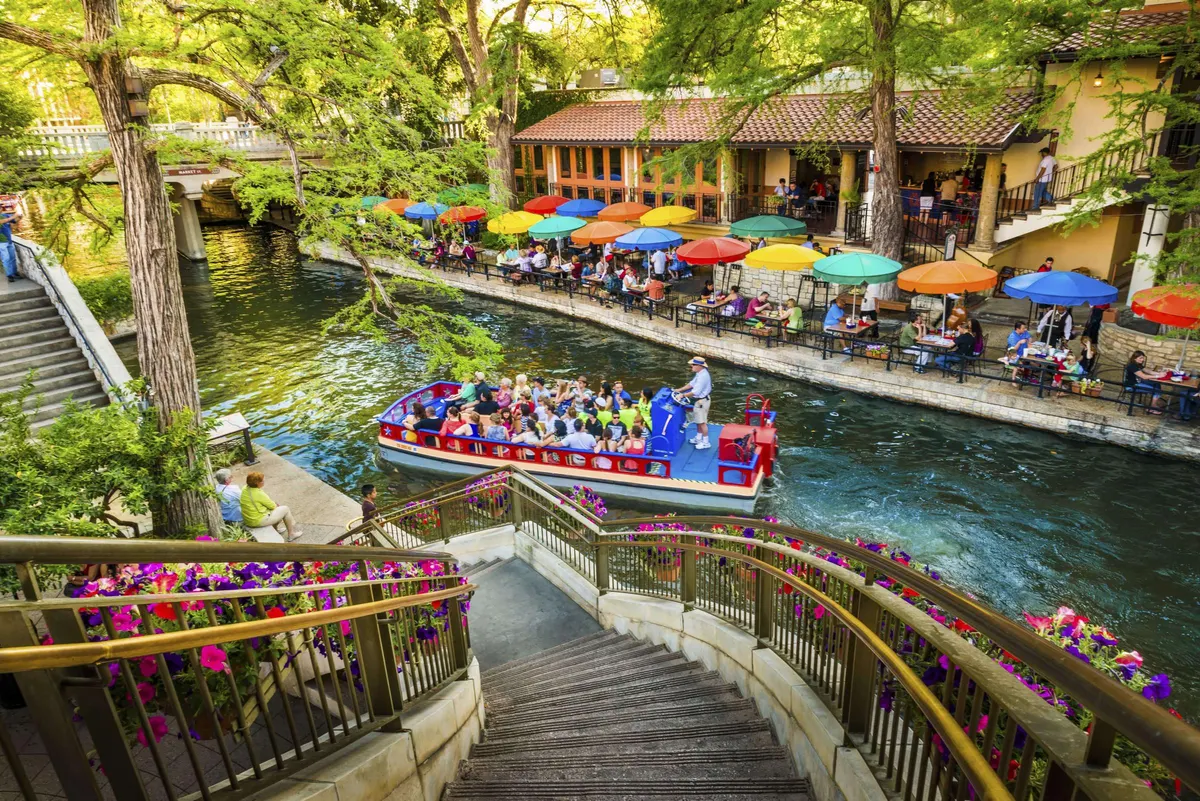
IOP in San Antonio →
-
IOP in Colorado Springs →

Discover More About Hallucinogens
Everything You Need to Know...
Talk to someone today
Ready when you are
Admissions are answered 24 hours a day by a person, not a queue. We will check your benefits for free and tell you what treatment would actually cost.
Free and confidential · No obligation