
Education
Treating Addiction & Relapse with Cognitive Behavioral Therapy
Excellent 4.6 out of 5 434 Google reviews across our locations




Published July 15, 2022
Reviewed and updated June 12, 2025
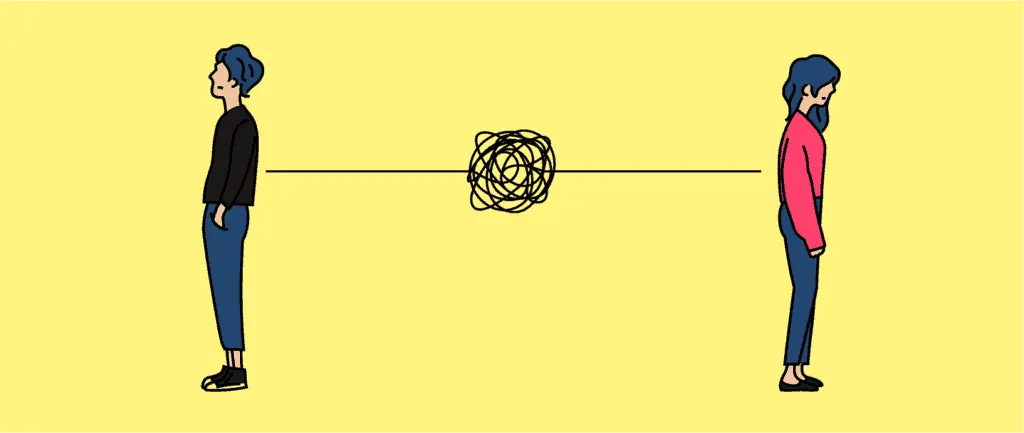
Addiction issues are not a normal part of life and they can have a significant impact on all areas of your life, including relationships, financial security, social activities, and employment opportunities. Somehow, it leaves a mark upon us if we are influenced or under the roof of habit. Learn how cognitive behavioral therapy and other methods help someone who has relapsed after being clean for some time. What other treatments are there when dealing with addiction or relapse?
What is Cognitive behavioral therapy?
One of the most popular types of drug rehabilitation is cognitive-behavioral therapy. The basics of this type of treatment, include its effectiveness in combating regression or relapse from sobriety following withdrawal from drugs or alcohol. The efficacious of cognitive-behavioral therapy (CBT) in medicating addiction and relapse is well established.
Cognitive Behavioral Therapy (CBT) has the power to help many individuals overcome the difficulties associated with addiction and relapse. A method of psychoeducation that aims to resolve addiction issues through the use of strategies that target the mind rather than the body.
How does Cognitive behavioral therapy uplift?
Cognitive-behavioral therapy (CBT) is a sort of psychotherapy that generally aims to assist patients in resolving particular issues in their life. It is based on the idea that your thoughts influence how you feel and that you can change your feelings by controlling your thoughts. If unwanted thoughts are causing problems for you, then CBT can help teach you strategies for managing those thoughts.
CBT has had a significant impact on psychotherapy. It is used as a treatment for many conditions and is frequently used by psychiatrists to help people with depression, addictions, and various problems of personality. CBT has also become increasingly used as an intervention for anxiety disorders, traumatic experiences, learning difficulties, and stress. Post-traumatic stress disorder (PTSD) and obsessive-compulsive disorder (OCD) auxiliary with trauma may also be treated without worrying, as per the emerging research (OCD).
In general, cognitive-behavioral therapy (CBT) trains you to use different ways of thinking about your thoughts and feelings so that you can better understand why you feel the way that you do.
When you enter CBT, your therapist will support you to identify the thoughts that are most problematic for you and put plans in place to manage them. CBT aims to make changes both within your personality and in the way that you behave. You can choose to continue with this therapy at home after treatment or seek a different kind of therapy, such as one of the other types of psychotherapy available here on this website.
- Beliefs about anxiety
In cognitive-behavioral therapy (CBT) beliefs about anxiety are targeted so that people with anxiety disorders can overcome their symptoms more successfully. One way of doing this is by changing how anxious people think about themselves and others.
- Thoughts and emotions
Because our ideas have an effect on our emotions, they might create anxiety problems. Our thoughts and emotions are linked because we often interpret our experiences through the lens of what we believe. This belief is then reinforced by our experiences. For example, if you have a negative experience (such as being embarrassed in front of your colleague), you may start to believe that you are bad at your job or that people will not like you because of it. Over time, these beliefs can develop into a generalized anxiety disorder such as panic attacks, which are pervasive and persistent (meaning that they frequently occur for most days over several weeks) and cause severe distress for people with anxiety disorders.
Conclusion
Well, to wrap it up in short, cognitive behavioral therapy is one of the prime ways to get out of the dark days that keep dragging you back in. All you need is to blend your thoughts and emotions and concentrate to flush all the negativity out.
Where Do I Turn For Help?
At Nova Recovery Center, we provide the best cognitive behavioral therapy to combat your addictions. It trains you mentally, emotionally, and physically to stay out of substance abuse. We have many sober living homes and detox centers in Texas. Book an appointment today. If you feel that you need help with an addiction and want to learn more about outpatient drug rehab in Austin, Texas, please call Nova Recovery Center at (512) 605-2955 or contact us online today.
What clients say
Trusted by clients across Texas
4.6 from 434 Google reviews across 9 locations
Across Nova Recovery Center, Briarwood Detox Center and Eudaimonia Recovery Homes
★★★★★
“Nova is far from perfect, and some of the information can be misleading. But if you want to cover the 12 Steps while enjoying good food and a beautiful scenic view, this is the place for you. The…”
10 months ago · Wimberley
★★★★★
“I did 90 days at Nova Recovery 6 years ago. I am still sober today. And living a life I could have never imagined. The people and the program they are running impacted me for a lifetime. Better than…”
2 years ago · Wimberley
★★★★★
“I went to Nova almost 9 months ago and I wouldn’t change it for the world. The staff when I first entered were very nice and welcoming. As a 19 year old that didn’t know what I was getting myself…”
2 years ago · Austin
★★★★★
“Nova Recovery Center has been an invaluable part of my journey to sobriety. The intensive inpatient program, coupled with the unwavering support and guidance from my recovery specialist, Mark Rector…”
2 years ago · Austin


★★★★★
“I had such a positive experience at Nova Recovery in Wimberley! The staff genuinely cares and went above and beyond to support me every step of the way. The peaceful setting made it easier to focus…”
a year ago · Wimberley
★★★★★
“I love Nova so freaking much. Nova has saved my life in more ways than one. I was hopeless and had no solution suffering from this disease. The staff there never gave up on me. I was the worst client…”
2 years ago · Austin
★★★★★
“I know Mark rector is non-binary however it saved my life and it did a good job with CPR and I don't know how aside from staying sober I could ever repay it thank you Mr or Mrs or whatever you're…”
8 months ago · Austin
★★★★★
“It's been a few years since I was a patient at Nova Recovery Center. Recently I have been reflecting on my time there and how incredibly grateful I am for the experience I had. I have been to 7 rehab…”
2 years ago · Austin


Talk to someone today
Ready when you are
Admissions are answered 24 hours a day by a person, not a queue. We will check your benefits for free and tell you what treatment would actually cost.
Free and confidential · No obligation