
Addiction
5 Stages of Change in Addiction: How to Recognize and Address Them
Excellent 4.6 out of 5 434 Google reviews across our locations




Published November 29, 2022
Reviewed and updated October 29, 2025
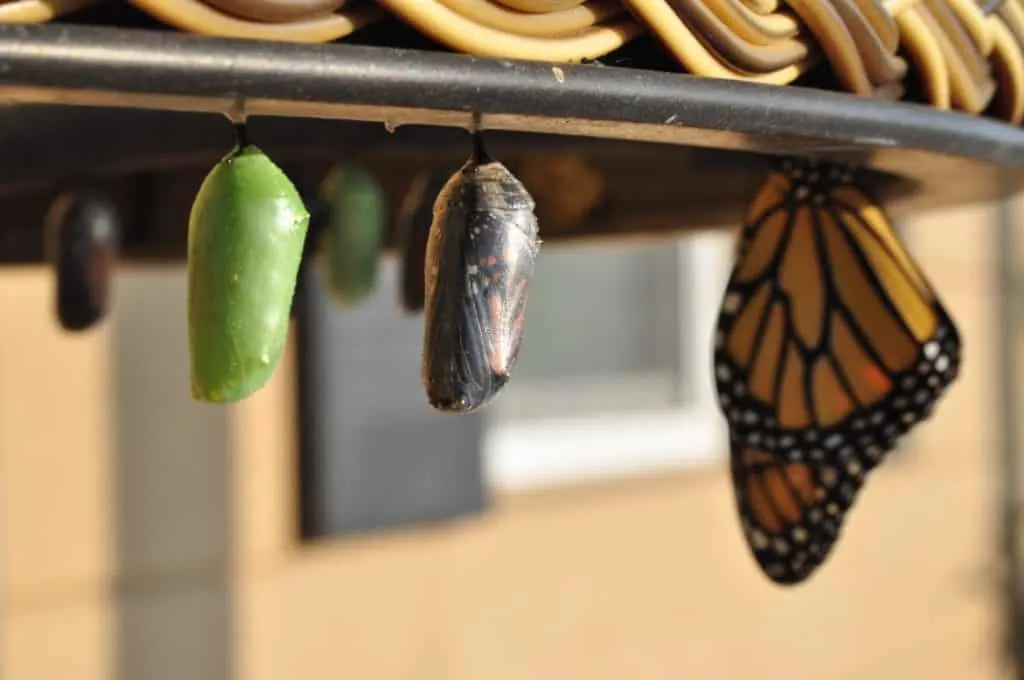
Stages of Change is a commonly-used framework that helps people understand the different factors that can influence someone to change their behavior. It consists of five stages, each of which offers a specific opportunity to help someone grow and make positive lifestyle changes. The Stages of Change model was originally developed by Dr. Arnold Relph, an American psychiatrist and now it’s often used in addiction treatment programs around the world. If you’re ready to take action and get help for your substance use, then read on! This article will help you gain a better understanding of the stages of change in addictions, tips for getting started, and what to expect if you choose to make a change for the better.
What Drives People to Change?
People make changes for a variety of reasons. If a person isn’t ready to change, it’s not the right time for them. Other people may be ready for a change in the way they live but are held back by the challenges of addiction and other factors. Therefore, it’s important to ask why someone wants to change and what they might need to support this change. An important thing to remember is that someone may have good reasons to change, but their reasons aren’t necessarily relevant to another person. Therefore, it’s important to have an understanding of what drives someone to change so that you know where to direct your support and attention.
How People Change in Recovery
People often focus on the initial stage of change when someone is seeking help for an addiction. This is due to the fact that it’s the most challenging for the person experiencing the changes. They are often the ones who are resisting the change the most, which can make it more challenging for the other person to support the change. However, once someone enters recovery and begins to understand the impact of their addiction on their life, they’re often more willing to change for the better.
They may want to improve their health, their relationships, and/or their financial situation. During this stage, a person may struggle with urges to use, but they’re often aware of the consequences and know that continuing to use will result in negative consequences. This knowledge combined with their desire to change is enough to get someone through the early stages of recovery.
What’s the difference between change and recovery?
When most people think about changing their behavior, they imagine a dramatic, sweeping transformation of their lives. In some ways, those who find themselves struggling with addiction are at the mercy of the same process of change that is normal to anyone else. In this sense, change is a normal part of the human experience, but it doesn’t necessarily mean healing. When someone talks about recovery, they’re referring to the process of healing from addiction. The key difference between change and recovery is that change is a temporary, partial process of healing. Recovery is a complete process of transformation.
5 Stages of Change in Addiction
The five stages of change in addictions are as follows:
Precontemplation
People who are in this stage have not yet decided to change their behavior. They’re often not even aware that they have a problem.
Contemplation
People who are in this stage are aware of the problem and might even be pondering solutions. They, however, still want more information before making a commitment to change.
Preparation
People who are in this stage are actively trying to solve their addiction. They’re often just starting to look for solutions, like a 12-step or detox program.
Action
People who are in this stage are taking action to solve their addiction. This could mean facing the reality of your behavior, such as going to 12-step meetings, admitting that you have a problem with your friends and family, or seeking professional help.
Maintenance
People who are in this stage are actively working to maintain their recovery. This includes things like continued education, maintaining abstinence, and staying sober.
Recovery With Nova
At Nova Recovery Center, Houston we provide our patients with a very comfortable detox process, where medical professionals provide monitoring and care around the clock. You will be provided with all the medications you need to combat the withdrawal symptoms. You will then be enrolled in the in-patient recovery program where you’ll learn to stay away from drugs, through counseling, group therapy, and so on.
Nova Recovery Center commits to helping you overcome your addiction so you can get back to what is most important to you. If you or someone you know are struggling with addiction, Nova Recovery Center can provide support. We have locations in Austin, Houston, and Wimberley Texas. Call today to begin your journey in recovery at (512) 605-2955.
What clients say
Trusted by clients across Texas
4.6 from 434 Google reviews across 9 locations
Across Nova Recovery Center, Briarwood Detox Center and Eudaimonia Recovery Homes
★★★★★
“Nova is far from perfect, and some of the information can be misleading. But if you want to cover the 12 Steps while enjoying good food and a beautiful scenic view, this is the place for you. The…”
10 months ago · Wimberley
★★★★★
“I did 90 days at Nova Recovery 6 years ago. I am still sober today. And living a life I could have never imagined. The people and the program they are running impacted me for a lifetime. Better than…”
2 years ago · Wimberley
★★★★★
“I went to Nova almost 9 months ago and I wouldn’t change it for the world. The staff when I first entered were very nice and welcoming. As a 19 year old that didn’t know what I was getting myself…”
2 years ago · Austin
★★★★★
“Nova Recovery Center has been an invaluable part of my journey to sobriety. The intensive inpatient program, coupled with the unwavering support and guidance from my recovery specialist, Mark Rector…”
2 years ago · Austin


★★★★★
“I had such a positive experience at Nova Recovery in Wimberley! The staff genuinely cares and went above and beyond to support me every step of the way. The peaceful setting made it easier to focus…”
a year ago · Wimberley
★★★★★
“I love Nova so freaking much. Nova has saved my life in more ways than one. I was hopeless and had no solution suffering from this disease. The staff there never gave up on me. I was the worst client…”
2 years ago · Austin
★★★★★
“I know Mark rector is non-binary however it saved my life and it did a good job with CPR and I don't know how aside from staying sober I could ever repay it thank you Mr or Mrs or whatever you're…”
8 months ago · Austin
★★★★★
“It's been a few years since I was a patient at Nova Recovery Center. Recently I have been reflecting on my time there and how incredibly grateful I am for the experience I had. I have been to 7 rehab…”
2 years ago · Austin


Talk to someone today
Ready when you are
Admissions are answered 24 hours a day by a person, not a queue. We will check your benefits for free and tell you what treatment would actually cost.
Free and confidential · No obligation