
Drug & Substance Guide
Gabapentin Effects, Risks, and Abuse: Does It Build Up in Your System?
Admissions answered 24 hours a day · Free and confidential
Excellent 4.6 out of 5 434 Google reviews across our locations



What clients say
Trusted by clients across Texas
4.6 from 434 Google reviews across 9 locations
Across Nova Recovery Center, Briarwood Detox Center and Eudaimonia Recovery Homes
★★★★★
“Nova is far from perfect, and some of the information can be misleading. But if you want to cover the 12 Steps while enjoying good food and a beautiful scenic view, this is the place for you. The…”
10 months ago · Wimberley
★★★★★
“I did 90 days at Nova Recovery 6 years ago. I am still sober today. And living a life I could have never imagined. The people and the program they are running impacted me for a lifetime. Better than…”
2 years ago · Wimberley
★★★★★
“I went to Nova almost 9 months ago and I wouldn’t change it for the world. The staff when I first entered were very nice and welcoming. As a 19 year old that didn’t know what I was getting myself…”
2 years ago · Austin
★★★★★
“Nova Recovery Center has been an invaluable part of my journey to sobriety. The intensive inpatient program, coupled with the unwavering support and guidance from my recovery specialist, Mark Rector…”
2 years ago · Austin


★★★★★
“I had such a positive experience at Nova Recovery in Wimberley! The staff genuinely cares and went above and beyond to support me every step of the way. The peaceful setting made it easier to focus…”
a year ago · Wimberley
★★★★★
“I love Nova so freaking much. Nova has saved my life in more ways than one. I was hopeless and had no solution suffering from this disease. The staff there never gave up on me. I was the worst client…”
2 years ago · Austin
★★★★★
“I know Mark rector is non-binary however it saved my life and it did a good job with CPR and I don't know how aside from staying sober I could ever repay it thank you Mr or Mrs or whatever you're…”
8 months ago · Austin
★★★★★
“It's been a few years since I was a patient at Nova Recovery Center. Recently I have been reflecting on my time there and how incredibly grateful I am for the experience I had. I have been to 7 rehab…”
2 years ago · Austin


Exceptional standards, backed by credible organizations
Our affiliations and accreditations
Gabapentin Addiction: Side Effects, Detox Withdrawal, and Treatment
What gabapentin is
Gabapentin is a prescription anticonvulsant used for seizures, nerve pain, and conditions such as anxiety or withdrawal symptoms.
Experts are not certain exactly how it works, only that it acts on the brain and nervous system. It comes as capsules, tablets or an oral solution, and is sold as Neurontin, Gralise, Gaborone and Fanatrex.
It is misused by snorting crushed pills or combining it with opioids or alcohol. That combination is the dangerous part.
- What it is
- A prescription anticonvulsant
- Also used for
- Anxiety and withdrawal symptoms
- How well understood
- The mechanism is not certain
- The dangerous misuse
- Snorting it, or mixing with opioids or alcohol
Gabapentin taken alongside opioids is a common and under-recognized risk. Worth a call if that is the pattern.
Gabapentin is sold under the following brand names:
- Neurontin
- Gralise
- Gaborone
- Fanatrex

Is Gabapentin Addictive?
Yes. Gabapentin is a commonly prescribed prescription drug and Neurontin may also be abused for fun. Not a controlled substance in the U.S. However, using it for fun can lead to tolerance, dependence, and addiction.
Slang for Gabapentin
The following terms are street names or slang for gabapentin:
- Gabbies
- Morontin
Gabapentin is not a controlled substance in the U.S. This makes it easier to get a prescription for it.
Many Neurontin abusers even say the effects are similar to those of marijuana.
People who have had problems with alcohol, opioids, cocaine, and other drugs often misuse gabapentin. The medical journal, The Annals of Pharmacotherapy, reports that gabapentin misuse is 1.1 percent in the general population. However, in addiction treatment centers, the misuse rate is 22 percent.
In 2017, a national survey found that 0.4 million Americans misused prescription sedatives like gabapentin in the last month, according to the national institute on drug abuse. Researchers first reported gabapentin in 2004 with FDA approval. However, the FDA says that law enforcement has seen it more often in recent years. National crime lab reports have included it, and poison control centers have reported it.
People also misuse gabapentin illegally. Law enforcement reports also indicate that traffickers use it as a cutting agent in heroin.
Freedom Starts Here. Take Back Your Life Today.
Same-Day Admissions in Austin Available.
What Are the Side Effects of Gabapentin Abuse?
It can be hard to tell the side effects of regular gabapentin use from those of abuse. However, these side effects may be more common and stronger, like cocaine withdrawal, in people who abuse Neurontin. This is different from those who use prescribed gabapentin.
Common side effects of gabapentin abuse may include:
- Extreme drowsiness
- Dizziness
- Memory loss
- Difficulty speaking
- Jerky movements
- Lack of coordination
- Muscle tremors
Signs and symptoms of gabapentin overdose may include:
- Slurred speech
- Double vision
- Diarrhea
- Extreme drowsiness
What Are the Signs and Symptoms of Gabapentin Addiction?
If you believe a loved one has a substance use disorder to Neurontin or using it for fun, they may show some signs of gabapentin abuse.
- Taking extremely high doses of gabapentin.
- Using gabapentin with other drugs (especially opioids) or alcohol.
- Faking symptoms to get gabapentin prescriptions.
- Doctor shopping (seeing multiple doctors to get gabapentin prescriptions).
- I focus on using and/or obtaining gabapentin.
- Displaying sudden changes in appearance, hygiene, or social habits.
- Refusing to stop using gabapentin, despite financial problems, relationship issues, or legal problems.
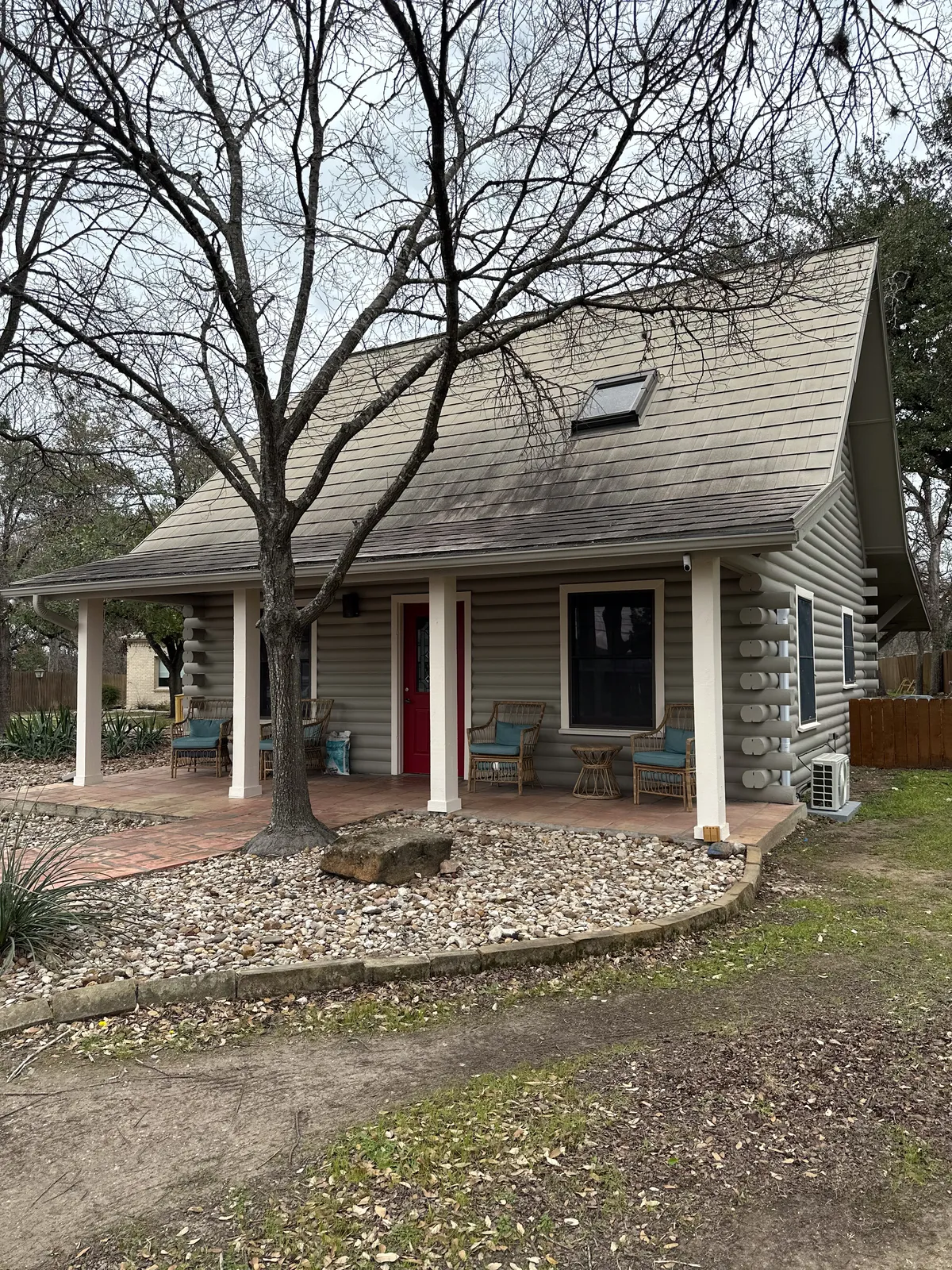
Gabapentin Detox and Withdrawal Treatment Options
Despite its low addictive potential, gabapentin can cause withdrawal symptoms if it is abused. A person may become tolerant and when they stop using it, they may experience prescription medication withdrawal symptoms. Common gabapentin withdrawal symptoms are:
- Insomnia
- Nausea
- Pain
- Sweating
- Flulike symptoms
- Postherpetic Neuralgia
- Rebound pain
- Cravings
- Anxiety
- Mood swings
- Suicidal thoughts and/or behaviors
If a person is dependent on gabapentin or addicted to it, he or she may need help quitting. Because gabapentin withdrawal can be serious, a medical detox program may be the safest way to stop using it. This program can also help with any other drugs the person has abused at the same time.
Gabapentin abusers often take other drugs to boost its effects. This can make detox and withdrawal unpredictable. As a result, it’s always safest to complete gabapentin detox under the supervision of a trained medical doctor. Gabapentin detox can also reduce the likelihood of relapse and overdose.
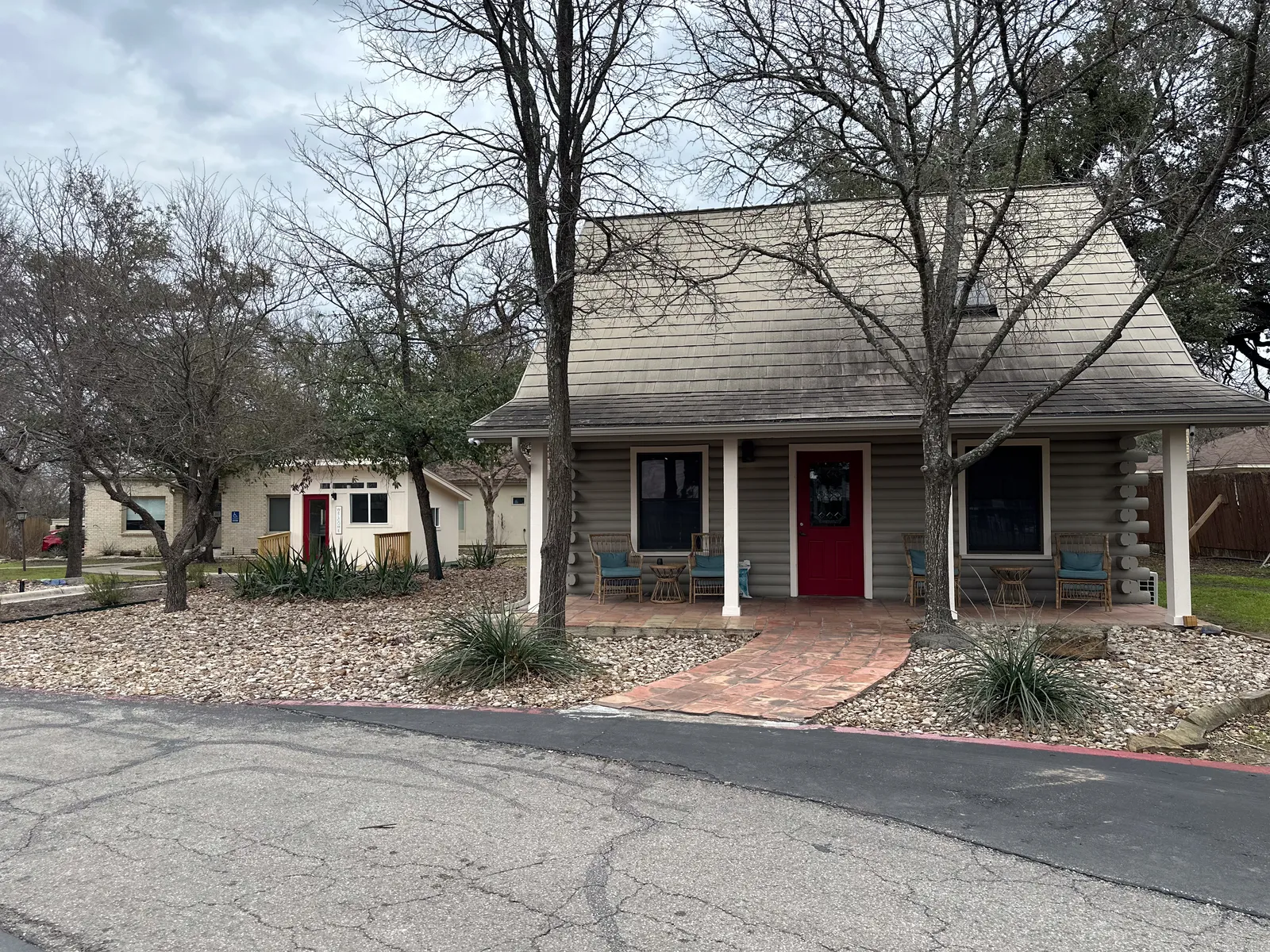
What Is the Gabapentin Withdrawal Timeline?
Predicting the timeline for gabapentin withdrawal is hard. This timeline can change a lot based on several factors, such as:
- Whether the gabapentin use was fun or for medical purposes
- How much gabapentin was consumed
- If any other drugs were abused simultaneously
- Individual factors like age, overall health, lifestyle, mental health, genetics, etc.
All these factors will determine the length and severity of gabapentin detox and withdrawal.
Education & Support
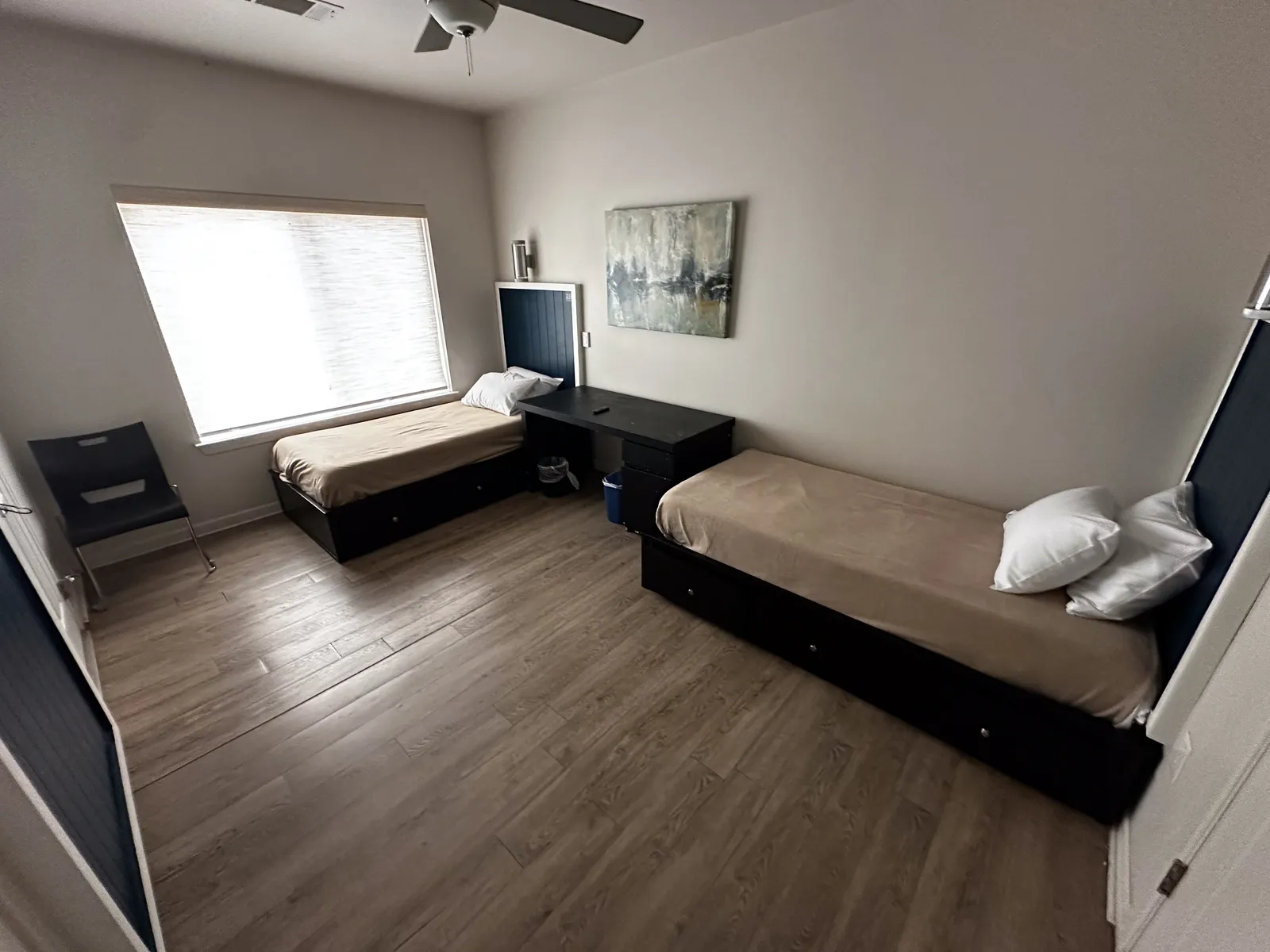
Is Neurontin (Gabapentin) Addictive?
Neurontin (gabapentin) is not traditionally addictive, but misuse can lead to dependence, especially when combined with other substances. The quiz below can help identify concerning patterns.

Not sure what to do?
Tell us what’s going on. We’ll listen, answer questions about detox and next steps, and help you decide a plan that feels safe.
Call Nova recovery admissions 24/7
Start Fresh. Take Charge of Your Future Today.
Same-Day Admissions in Austin Available.

What Is the Treatment for Gabapentin Addiction?
Gabapentin addiction often involves other drugs like opioids or cocaine, so treatment must address polydrug abuse and its effects. After detox, rehab is vital for preventing relapse and building life skills. A 90-day program offers the best chance for lasting recovery. A 90-day drug rehab program is considered a “long-term recovery program” and is typically comprised of the following levels of care:
- Behavioral therapy
- Individual counseling and group counseling
- 12-step work
- Gender-specific programming
- Chemical dependency education
- Relapse prevention strategies
- Life skills development
- Support Groups
- Other alternative therapies (music therapy, animal-assisted therapy, art therapy, etc.)

Inpatient Drug Rehab vs. Outpatient Drug Rehab for Gabapentin Addiction
As you begin to look into gabapentin treatment, you will see two main options. These are inpatient gabapentin rehab and outpatient gabapentin rehab. Before you make a decision, it’s important to recognize the differences between the two types of gabapentin treatment.
Residential gabapentin rehab programs requires you to live onsite and follow a consistent daily routine. This includes therapy sessions, group support, educational lectures, meditation, meals, fitness activities, and free time. Residential treatment is extremely helpful for people who have relapsed before. It also helps those who need a structured environment to stay sober.
Outpatient gabapentin rehab programs in austin tx let you live at home while attending scheduled group sessions multiple times a week. Led by professionals, these sessions offer the same core treatments as residential rehab. A good fit for those needing flexibility for work, school, or family.
The cost of drug rehab for addiction recovery, whether inpatient or outpatient, can vary. This depends on the type of gabapentin treatment program, the rehab center’s location, the amenities, and the services provided. However, clients have several different payment options to pay for drug rehab, including:
- Health insurance benefits
- Employee Assistance Programs (EAP)
- Financed private healthcare loans
- Out-of-pocket payments
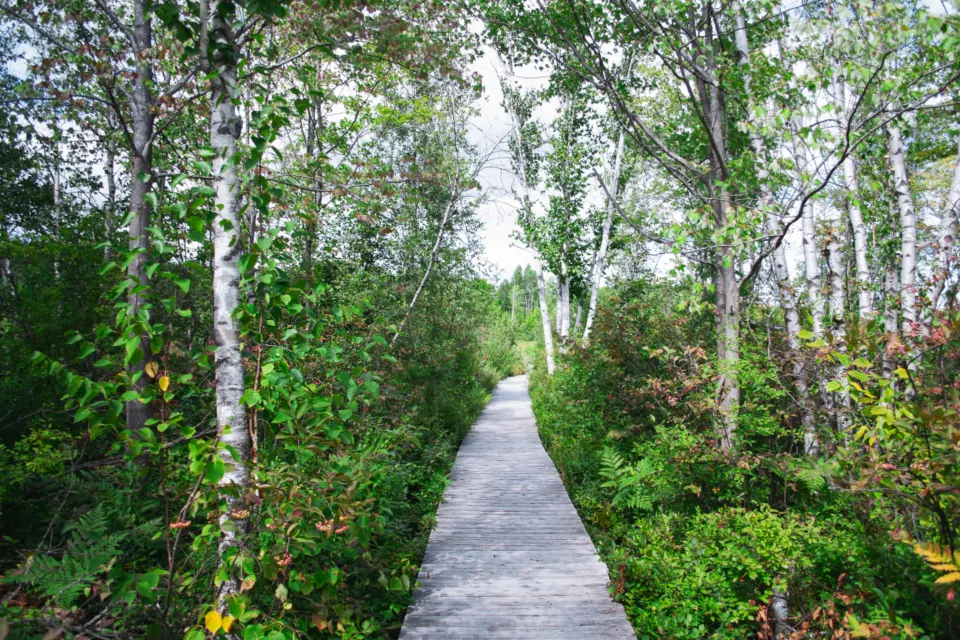
Continued Care Options for Gabapentin Addiction Treatment
After gabapentin rehab, the work isn’t over. Overcoming any addiction, not just Neurontin addiction, will take continuous work and effort. Keeping up with your gabapentin treatment for as long as you can is best. The longer you stay in treatment, the less likely you are to relapse.
Two common types of continuing care programs for people in recovery are sober living programs and aftercare programs.

Sober Living Programs
A sober living program offers transitional housing for men and women in recovery. Sober living homes offer safe and sober group housing. They help people who have finished rehab or who often relapse.
Sober living programs help people recover for the long term. They offer services like drug testing, structured living, personal support, and assistance with work or school. These homes are ideal for those transitioning from rehab to independent sober living. Costs vary by location, amenities, and services offered.

Aftercare Programs
Aftercare programs are specifically designed to meet the recovery needs of drug and alcohol rehab alumni. Aftercare includes weekly group sessions where clients share progress and challenges with peers, supporting ongoing sobriety and personal growth. These meetings help build relationships and reinforce sober living.
Nova Recovery Center provides detox, residential, outpatient, and sober living programs for gabapentin addiction. Contact us to learn more about your options.
Discover More Anticonvulsants Medications
Everything You Need to Know...
Gabapentin Addiction FAQs
Is gabapentin addictive?
Yes. While once believed to have low addiction potential, studies and case reports now confirm that gabapentin can lead to dependence, abuse, and withdrawal, especially when used in high doses or mixed with opioids or alcohol.
What are the signs of gabapentin addiction?
Common signs include escalating dosage without a prescription, strong cravings, withdrawal symptoms when stopping, and impairments in daily functioning or social responsibilities.
What causes gabapentin abuse?
Many misuse gabapentin to amplify effects of opioids or alcohol, seeking relaxation, sociability, or a mild euphoria. It’s also easily accessible and often under-recognized in substance abuse settings.
How common is gabapentin addiction?
In the general population, misuse is estimated around 1%, but among individuals with opioid dependence, rates may rise to 15–20%. In addiction centers, up to 22% report misuse.
What are gabapentin withdrawal symptoms?
Withdrawal may include anxiety, agitation, insomnia, headache, nausea, sweating, and in rare cases, seizures, emerging 12 hours to 7 days after stopping.
How long does gabapentin withdrawal last?
Symptoms typically begin within 12–48 hours and last up to 7 days, though sleep or mood disruptions may linger longer for some users.
How is gabapentin addiction treated?
Treatment involves medically supervised tapering, symptom management (for nausea, anxiety, insomnia), and addiction therapy. Severe cases might require inpatient detox with close monitoring.
Can gabapentin abuse be dangerous?
Yes. High-dose use or combining gabapentin with opioids, alcohol, or sedatives elevates risk of respiratory depression, overdose, and severe withdrawal symptoms.
Can gabapentin be used to treat addiction?
Off-label, gabapentin may support withdrawal management for alcohol, opioid, or cannabis use, but it is not a primary addiction treatment and should be used under supervision.
Why is gabapentin not a federally controlled substance?
Gabapentin isn’t scheduled by the DEA, though multiple states (e.g., Kentucky, Tennessee, Virginia) now classify it as Schedule V due to its misuse potential.
What does gabapentin actually do?
Gabapentin works by calming overactive nerve signals in the brain and spinal cord. It is commonly prescribed for nerve pain, seizures, and sometimes anxiety, as it helps reduce abnormal activity in the nervous system.
What is gabapentin used for in dogs?
Veterinarians often prescribe gabapentin to dogs for chronic pain, seizures, and anxiety. It can help manage discomfort from conditions such as arthritis or nerve-related pain, and it may also be used to keep dogs calm during stressful situations.
Is gabapentin a narcotic or opioid?
Gabapentin is not a narcotic or an opioid. It is classified as an anticonvulsant and nerve pain medication. While it can be misused, it does not carry the same addictive potential as opioids.
What is the biggest side effect of gabapentin?
The most common side effect of gabapentin is drowsiness or sleepiness. Other side effects may include dizziness, fatigue, and coordination problems. In some cases, people may also experience mood changes or blurred vision.
What is the strongest drug for nerve pain?
There is no single strongest drug for nerve pain, as effectiveness varies from person to person. Gabapentin, pregabalin, duloxetine, and certain antidepressants are frequently used. In severe cases, stronger medications may be considered, but they carry higher risks.
What happens if you take gabapentin every day?
When taken daily as prescribed, gabapentin can provide consistent relief for nerve pain, seizures, or anxiety. However, long-term use should be closely monitored by a doctor because stopping suddenly may cause withdrawal symptoms or increased seizures.
Why do vets give gabapentin?
Vets prescribe gabapentin to treat chronic pain, anxiety, and seizures in dogs and cats. It is often used as part of a broader treatment plan to improve comfort and quality of life for pets with ongoing medical conditions.
Which is stronger, tramadol or gabapentin?
Tramadol and gabapentin work in very different ways. Tramadol is an opioid-like pain reliever, while gabapentin targets nerve-related pain. For neuropathic pain, gabapentin may be more effective, while tramadol is often used for general or acute pain.
What is the best drug for anxiety in dogs?
There is no single best drug for canine anxiety, as it depends on the dog’s condition and medical history. Gabapentin, fluoxetine, and trazodone are commonly prescribed by veterinarians, often alongside behavioral therapy.
Can gabapentin calm anxiety?
Yes, gabapentin may help calm anxiety in both humans and animals. It works by reducing overactive nerve signals in the brain, which can lower symptoms of stress and restlessness. However, it is not typically the first-line treatment for anxiety.
How quickly does gabapentin make you sleepy?
Gabapentin may cause drowsiness within 1 to 3 hours of taking a dose. The sedative effect varies depending on the individual, dosage, and whether it is taken with other medications.
Can I buy gabapentin over the counter?
No, gabapentin is only available with a prescription. It is a controlled medication in some states due to its potential for misuse. Always consult a doctor before starting or stopping gabapentin. References https://www.drugs.com/ingredient/gabapentin.html https://www.accessdata.fda.gov/drugsatfda_docs/label/2017/020235s064_020882s047_021129s046lbl.pdf https://www.ncbi.nlm.nih.gov/pubmed/24192603 https://www.ncbi.nlm.nih.gov/pmc/articles/PMC3404313/ https://www.ncbi.nlm.nih.gov/pubmed/24192603 https://www.samhsa.gov/data/report/2017-nsduh-annual-national-report http://www.cesar.umd.edu/cesar/drugs/ghb.asp https://www.deadiversion.usdoj.gov/drug_chem_info/gabapentin.pdf https://www.talktofrank.com/drug/gabapentin
What are the long-term effects of gabapentin?
The page separates prescribed use from abuse, and notes the side effects are stronger and more common in people who misuse it. Those include extreme drowsiness, dizziness, memory loss, difficulty speaking, jerky movements, lack of coordination and muscle tremors. Overdose signs are slurred speech, double vision, diarrhea and extreme drowsiness.
Is it hard to get off gabapentin?
Despite its low addictive potential, gabapentin can cause withdrawal if it has been abused: insomnia, nausea, pain, sweating, flu-like symptoms, rebound pain, cravings, anxiety, mood swings and suicidal thoughts or behaviors. The page notes a complication that makes it unpredictable, which is that people who abuse gabapentin often take other drugs to boost its effects. That is why it recommends completing detox under a doctor’s supervision.
We accept most major insurance
Most major insurance covers treatment here
We'll check your benefits for free and tell you what you'd actually pay, before you commit to anything.
















Takes about 2 minutes · No obligation · Or call (512) 605-2955
Don't see yours? We work with more plans than we can show here.
VERIFY YOUR INSURANCE | 100% CONFIDENTIAL
If gabapentin addiction has become more than a medication (and you’re dealing with cravings, tolerance, or uncomfortable withdrawal symptoms) it’s crucial to reach out for expert help. Nova Recovery Center specializes in gabapentin addiction treatment, offering medically supervised detox, personalized tapering plans, comprehensive therapy, and continuous aftercare tailored to your unique needs.
Don’t let dependency define your life. Call Nova Recovery Center for a free, confidential consultation and insurance verification, available 24/7. Our compassionate team is standing by to guide you toward safe detox, effective recovery, and a healthier, addiction-free future. Your healing journey from gabapentin addiction starts with that first courageous call.
Not sure where you stand?
Talk to someone today
Ready when you are
Admissions are answered 24 hours a day by a person, not a queue. We will check your benefits for free and tell you what treatment would actually cost.
Free and confidential · No obligation