
Drug Detox San Antonio
Where to Detox from Alcohol in San Antonio
Excellent 4.6 out of 5 434 Google reviews across our locations





Published October 7, 2025
Key Takeaways
- Alcohol detox should be medically supervised. Severe alcohol withdrawal can cause seizures and delirium tremens, which are life-threatening without proper medical care.
- Know where to go. In San Antonio, you can get help at detox units in hospitals, treatment centers, or outpatient programs. Your choice depends on how severe your withdrawal is and what support you have.
- Medications make detox safer. Benzodiazepines are the most common alcohol withdrawal medications, while phenobarbital, carbamazepine, or gabapentin may be added for symptom control.
- After detox, treatment continues. Detox is the first step. Long-term recovery often includes counseling, support groups, and approved medications like naltrexone or acamprosate.
If you are looking for a place to detox from alcohol in San Antonio, this guide will help you. It explains your options, the use of alcohol withdrawal medication, and how to find the best detox choice for you. It’s written for quick use during a stressful time and stays neutral, practical, and local. If someone is in danger, call 911.


Do you need medical detox?
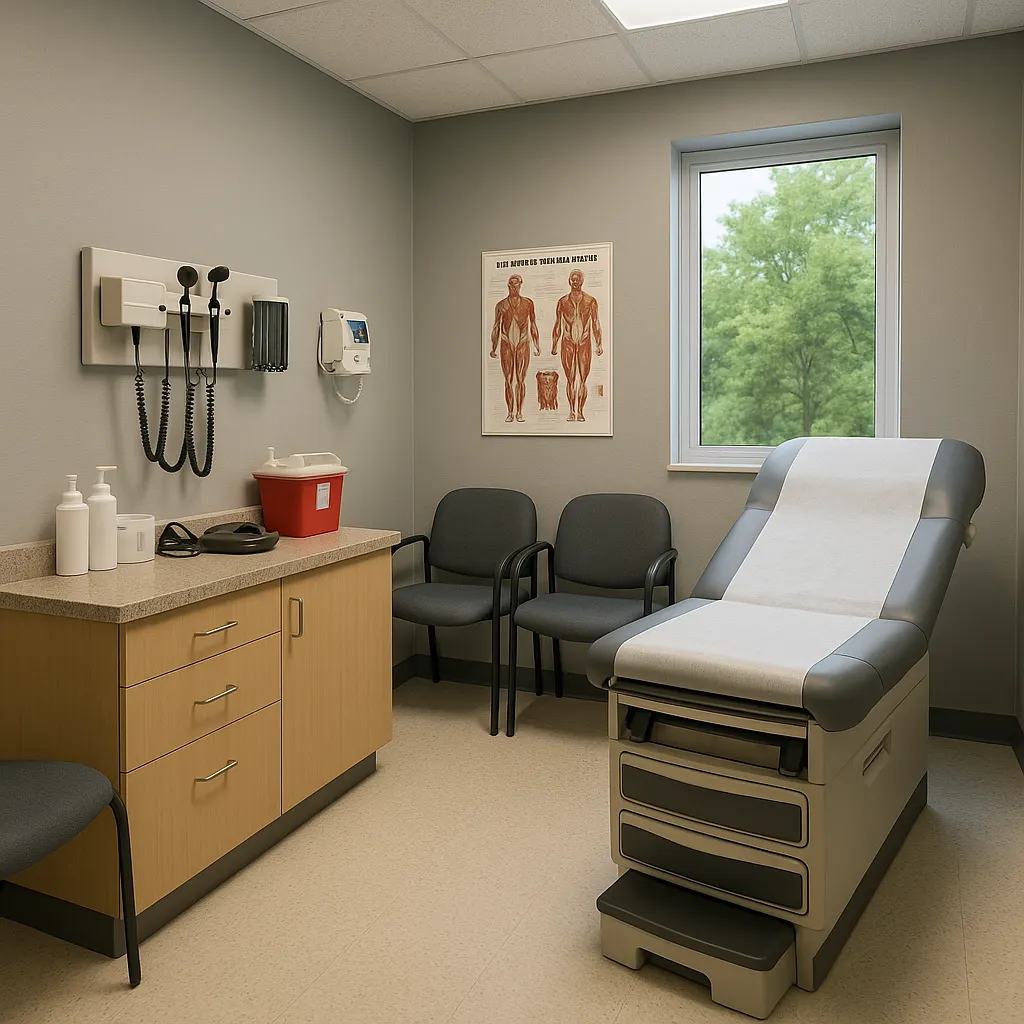
Alcohol withdrawal can range from mild anxiety and poor sleep to dangerous complications. Seizures can happen within hours after the last drink. The most severe type, called alcohol-withdrawal delirium (delirium tremens), may show up several days later.
This condition can be deadly without treatment. These situations require hospital care.
Signs you should seek urgent help:
- New confusion, agitation, or hallucinations
- Seizure or a history of withdrawal seizures
- High fever, racing heart, or uncontrolled blood pressure
- Serious medical or psychiatric conditions (including suicidal thoughts)
Clinicians decide the setting (outpatient, residential, or inpatient) by looking at risk, home support, and symptom severity. Many programs use structured tools, like CIWA-Ar, to help with this decision.
Where to go to detox from alcohol in San Antonio
Freedom Starts Here. Take Back Your Life Today.
Same-Day Admissions in San Antonio Available.
What to expect during detox
Intake and monitoring
Detox starts with an assessment: medical history, current symptoms, vitals, and often a standardized scale. Monitoring frequency depends on severity and the setting. Ambulatory plans require dependable support at home and clear return‑to‑ER instructions if symptoms worsen.
Alcohol withdrawal medications you may be offered
- Benzodiazepines (e.g., diazepam, lorazepam, chlordiazepoxide) are first‑line for moderate to severe withdrawal. Patients often prefer longer-acting agents; they may trigger dosing based on symptoms or use a “front-loaded” approach for faster control.
- Experienced clinicians may use phenobarbital as an adjunct or alternative when they contraindicate benzodiazepines.
- Adjuncts like carbamazepine, gabapentin, or valproate (in appropriate patients) can help manage symptoms along with benzodiazepines.
After detox: keeping momentum
Most programs will help you step into the next phase of care (residential treatment, partial hospitalization, intensive outpatient, or outpatient therapy) and start AUD medication when appropriate. These steps lower relapse risk and support long‑term recovery. Many people step down to an IOP in San Antonio to keep structure and therapy while returning to daily routines.
How Nova Recovery Center Can Help with Alcohol Addiction and Abuse
Nova Recovery Center offers a comprehensive, evidence-based approach to overcoming alcohol addiction and abuse. Our program begins with a safe, medically supervised detox that helps clients manage withdrawal symptoms and prepares them for long-term recovery. Once stabilized, individuals transition into structured residential or outpatient treatment programs designed to address the physical, emotional, and behavioral aspects of addiction. Each treatment plan is individualized, incorporating therapy, peer support, relapse prevention training, and holistic practices that promote total wellness.
Nova Recovery Center emphasizes personal accountability and growth, helping clients develop new coping strategies and rebuild meaningful lives in sobriety. Our continuum of care includes residential treatment, intensive outpatient programs (IOP), and sober living options for ongoing support. With a strong focus on relapse prevention and community, Nova provides the tools needed to achieve and sustain recovery. Located in Austin, Texas, our professional staff guides clients through every step of the recovery journey with compassion and expertise.
Whether you’re taking your first step toward sobriety or seeking support after relapse, Nova Recovery Center is here to help you build a lasting foundation for a healthier, alcohol-free life.
Frequently Asked Questions About Alcohol Detox in San Antonio
Is it safe to detox from alcohol at home?
Only for carefully selected, low‑risk cases with medical oversight and reliable support at home. Professional guidelines outline when ambulatory care is appropriate and when inpatient monitoring is safer.
What happens during medical alcohol detox?
Clinicians assess withdrawal risk, monitor vital signs, and treat symptoms, most often with benzodiazepines, while providing fluids, nutrition (e.g., thiamine), and safety monitoring. Care level ranges from outpatient visits to 24/7 inpatient units, depending on risk.
How long does alcohol detox take?
Symptoms typically peak within 24–72 hours and improve over about a week; see our alcohol detox timeline (3–7 days) for a day‑by‑day look.
What is the best way to detox from alcohol?
The safest, most effective approach is medically supervised detox matched to your risk: inpatient care for moderate–severe or complicated withdrawal, and supervised outpatient care only for low‑risk cases.
What medications are used for alcohol withdrawal?
Benzodiazepines are first‑line. Depending on your situation, clinicians may also use agents such as carbamazepine or gabapentin as adjuncts, and supportive measures like thiamine.
Which medications help you stay alcohol‑free after detox?
Evidence‑based options include naltrexone, acamprosate, and disulfiram, typically alongside counseling or structured treatment.
Other Drug and Alcohol Rehab Service in San Antonio
-
San Antonio
Medication Assisted Treatment in San Antonio → Get directions ↗
-
San Antonio
Outpatient Rehab in San Antonio → Get directions ↗
-
San Antonio
Sober Living in San Antonio → Get directions ↗
Medical Disclaimer
The information provided on this page is intended for educational purposes only and should not replace professional medical advice, diagnosis, or treatment. Alcohol withdrawal can be dangerous and should only be managed under the supervision of a qualified healthcare provider. Never attempt to detox from alcohol on your own or adjust any prescribed medications without consulting your doctor. If you or someone you know is experiencing severe withdrawal symptoms, confusion, or seizures, call 911 in the United States or go to the nearest emergency room. For immediate emotional or mental health support, contact the Suicide and Crisis Lifeline by dialing 988, available 24 hours a day.
Nova Recovery Center Editorial Guidelines
By instituting a policy, we create a standardized approach to how we create, verify, and distribute all content and resources we produce. An editorial policy helps us ensure that any material our writing and clinical team create, both online and in print, meets or exceeds our standards of integrity and accuracy. Our goal is to demonstrate our commitment to education and patient support by creating valuable resources within our realm of expertise, verifying them for accuracy, and providing relevant, respectful, and insightful data to our clients and families.
Reference
- American Society of Addiction Medicine. (2020). The ASAM clinical practice guideline on alcohol withdrawal management. Retrieved October 5, 2025, from https://www.asam.org/docs/default-source/quality-science/the_asam_clinical_practice_guideline_on_alcohol-1.pdf
- Canver, B. R., Newman, R. K., & Gomez, A. E. (2024, February 14). Alcohol withdrawal syndrome. In StatPearls[Internet]. StatPearls Publishing. Retrieved October 5, 2025, from NCBI Bookshelf: NBK441882
- Substance Abuse and Mental Health Services Administration. (2023, June 9). SAMHSA’s National Helpline. Retrieved October 5, 2025, from SAMHSA: National helpline
- Substance Abuse and Mental Health Services Administration. (n.d.). FindTreatment.gov: Treatment locator. Retrieved October 5, 2025, from FindTreatment.gov: Locator
- National Institute on Alcohol Abuse and Alcoholism. (n.d.). Treatment for alcohol problems: Finding and getting help. Retrieved October 5, 2025, from https://www.niaaa.nih.gov/publications/brochures-and-fact-sheets/treatment-alcohol-problems-finding-and-getting-help
- UT Health San Antonio, Department of Psychiatry & Behavioral Sciences. (n.d.). Be Well Texas Clinic: Addiction Medicine. Retrieved October 5, 2025, from lsom.uthscsa.edu: Bewell
- Methodist Hospital Atascosa. (n.d.). Addiction treatment: Medical withdrawal management. Retrieved October 5, 2025, from sahealth.com: Addiction treatment
Nova Recovery Center San Antonio Contact Infomation
Nova Recovery Center Drug and Alcohol Rehab: San Antonio, TX
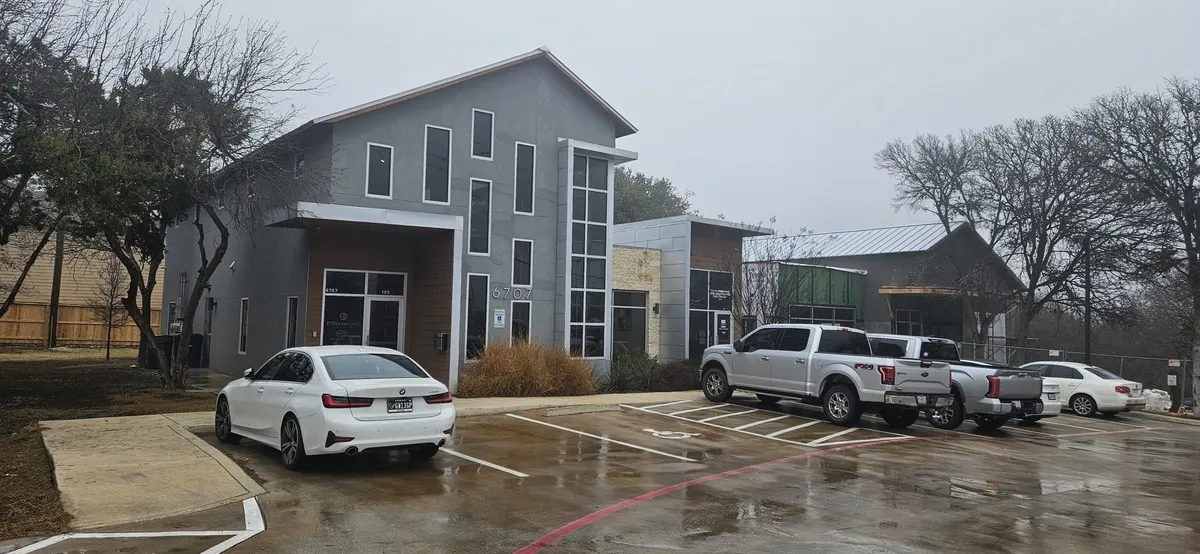
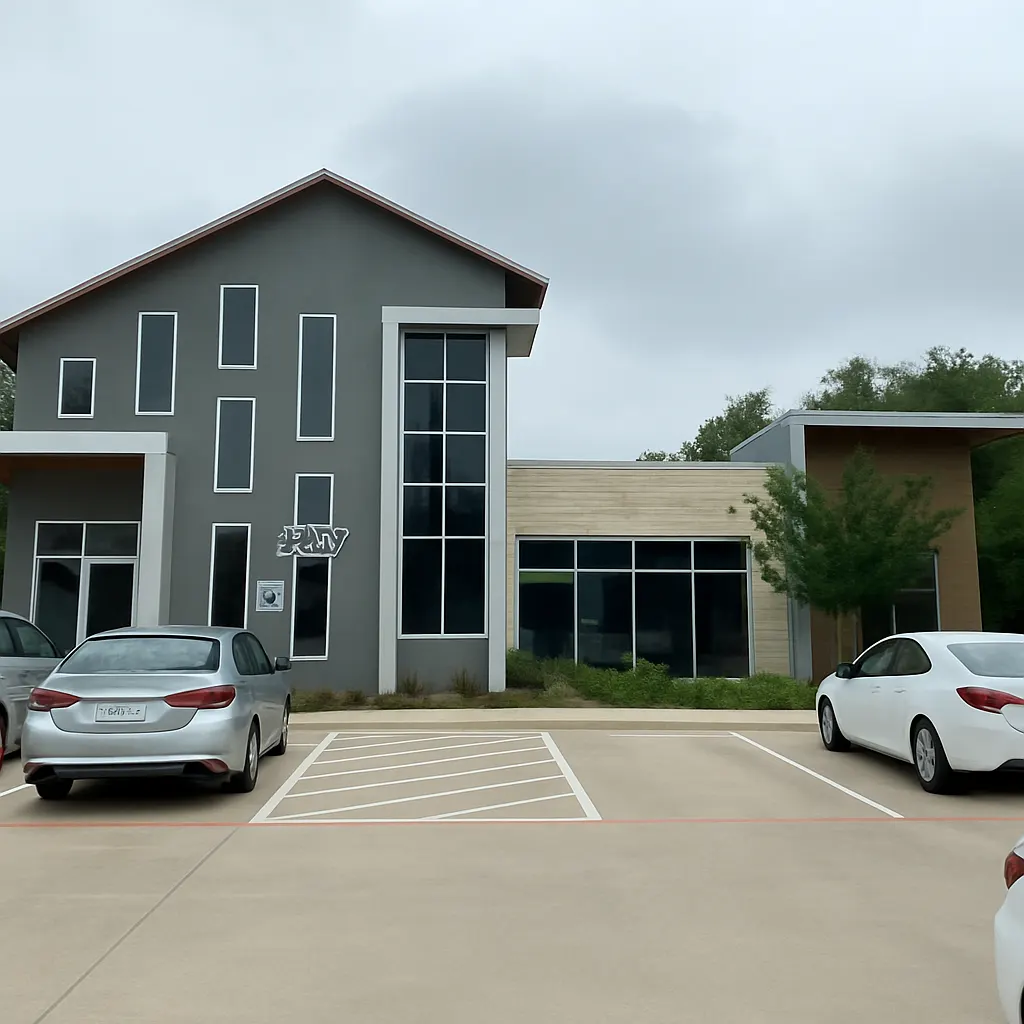
6707 W Hausman Rd, San Antonio, TX 78249
What clients say
Trusted by clients across Texas
4.6 from 434 Google reviews across 9 locations
Across Nova Recovery Center, Briarwood Detox Center and Eudaimonia Recovery Homes
Reviews of Briarwood Detox Center
★★★★★
“I came here barely alive, hopelessly alcoholic after years of heavy daily drinking. Going on 15 months sober. I wouldnt be here if it wasn't for them. I thought I'd need a 30-day program after, but i…”
6 months ago · Austin
★★★★★
“September 19th of 2017 I checked into Briarwood after another failed attempt to handle my substance abuse issue on my own. It was a great place to start my recovery journey and I’m so grateful…”
2 years ago · Austin
★★★★★
“This review has been a long time coming and I apologize for how late it is, but I want to thank Mr.Becks and the team at Flourishing recovery for their help and support during a time when I needed it…”
2 months ago · San Antonio
★★★★★
“As a provider of transitional and sober living accommodations, we have worked in a close partnership with Flourishing Foundation Recovery for over a year now housing graduates of their program. What…”
10 months ago · San Antonio
★★★★★
“I came to flourishing foundations directly out of a detox center where I had the worst experience. After 10 days, I was still shaky and had to hold on to things in order to walk. I came here to FF…”
10 months ago · San Antonio
★★★★★
“I wanted to thank Nova for all the support and help in getting me on the path to my recovery. It has changed my life and I can honestly say that it helped me discover myself. I want to specifically…”
5 years ago · Houston
★★★★★
“👍🏼👍🏼”
7 years ago · Houston


★★★★★
“Briarwood is an amazing place with compassionate staff all the way up the chain! Briarwood has played a huge role in my journey and I am so grateful! I would recommend them for detox to anyone who…”
8 months ago · Austin
★★★★★
“Briarwood definitely surpassed my expectations. I've been to a detox facility before, unfortunately, so I can honestly say I wasn't looking forward to having to go through the process again. But, it…”
2 years ago · Austin
★★★★★
“This place is AMAZING!! The staff is super friendly and welcoming. The program is very well put together and informative. We went over; cognitive behavioral therapy, relapse prevention, and taking…”
a year ago · San Antonio
★★★★★
“I’ve referred several clients to Flourishing Foundations Recovery and have consistently been impressed with the level of care they provide. Their team is compassionate, responsive, and truly…”
10 months ago · San Antonio
★★★★★
“I would like to thank Jasmine and Lisa for being such supportive and amazing group leaders. Their real and raw counseling has been such a huge part of my success with sobriety. I did not even want to…”
3 years ago · Houston
★★★★★
“Highly recommended, I worked with Greg and he really helped me with my addiction.”
a year ago · Houston
★★★★★
“Responsive staff”
6 years ago · Houston


Talk to someone today
Ready when you are
Admissions are answered 24 hours a day by a person, not a queue. We will check your benefits for free and tell you what treatment would actually cost.
Free and confidential · No obligation