
Addiction
Can Addiction Change Someone’s Personality?
Excellent 4.6 out of 5 434 Google reviews across our locations




Published March 24, 2020
Reviewed and updated October 20, 2025
At a Glance: Can Addiction Change Someone’s Personality?
- Addiction can drastically alter personality, leading to behaviors such as dishonesty, manipulation, aggression, and social isolation.
- Chronic substance use impacts the brain’s prefrontal cortex, increasing impulsivity, forgetfulness, and risky decision-making.
- Mental health issues like depression, anxiety, paranoia, and frequent mood swings are often worsened by ongoing drug or alcohol abuse.
- Personality changes caused by addiction frequently strain relationships, cause job loss, and can even result in criminal behavior.
If you have a loved one who is struggling with a drug or alcohol addiction, you’ve probably noticed a quick deterioration of his or her physical health. However, drastic personality changes often occur as a result of addiction too.







What Behavioral Changes Are Caused By Addiction?
Dishonesty
Most forms of substance abuse are illegal so the majority of people who are addicted to illegal drugs or who misuse prescription drugs don’t want everyone to know. As a result, they are often more secretive about their lives and may lie to cover up their behavior.
Aggression and anger
According to a study from the National Institute on Drug Abuse’s Intramural Research Program, people who are addicted may be more likely to throw sudden fits of rage or act more aggressively. Sometimes, this is due to the side effects of the drugs they are on but other factors play a role as well. Unresolved trauma, a lack of anger and stress-management techniques, and chronic stress can all contribute to aggressive behavior as well. An addicted person may also be angry at themselves because they are unable to control their substance abuse and therefore take their frustration out on others.
Manipulation
An addicted person may go to all kinds of lengths to get their drug of choice. This often includes manipulating those around them. If your loved one is addicted to a drug, he or she may use intense cravings as justification for manipulative behaviors and become overrun with feelings of desperation and guilt as a result. To add to it, substance abuse can also reduce a person’s capacity for clear judgment and decision-making, and an addict may try to compensate for his or her lack of control with drugs by attempting to control other things or people in his or her environment.
Risk-taking
Things like driving under the influence, having unprotected sex, or stealing money from friends and family members are not uncommon when addiction is a factor. Studies show chronic substance abuse is linked to changes in the prefrontal cortex of the brain, which affects a person’s planning, attention, emotional regulation, and self-control. Many drugs also lower inhibitions, increasing the likelihood that the user will engage in risky behavior while under the influence.

Freedom Starts Here. Take Back Your Life Today.
Same-Day Admissions in Austin Available.
Negative Effects of Personality Changes Caused By Addiction
Many drug and alcohol abusers suffer additional consequences as a result of these behavioral and personality changes. As the addiction worsens, your loved one may experience some of the following things:
- Criminal charges or incarceration
- Poor physical health
- Job loss
- Lasting damage to relationships
- Overdose
Sometimes these consequences are enough to motivate someone to get sober and sometimes they are not.
What Should I Do If My Loved One’s Personality Has Changed Due to Drugs or Alcohol?
If you believe your loved one is abusing drugs and he or she has demonstrated some of the behavioral changes listed above, it is important to respond appropriately.
- Educate yourself. The more you understand about addiction, the better you will be able to respond to your loved one and take care of yourself as well. You can find valuable and trustworthy information about addiction and recovery online at drugabuse.gov or SAMHSA.
- Reach out to community support groups like Nar-Anon. These community recovery support groups are designed to help people who are affected by a loved one’s addiction or recovery. Connecting with others who are in similar situations can prevent feelings of loneliness and offer much-needed emotional support as you learn to navigate life with an addicted loved one.
- Encourage your loved one to seek treatment. If you haven’t already, it’s important to urge your loved one to get help for his or her addiction. As you address the issue with your loved one and go about your daily lives, make sure to demonstrate empathy and concern, create and maintain healthy boundaries for your own life, and encourage your loved one to take responsibility for his or her actions.
- Consider hosting an intervention for your loved one. There is absolutely nothing wrong with enlisting the help of others to encourage your loved one to seek treatment for his or her addiction. Host an intervention on your own, write an intervention letter, or work with a professional interventionist to establish a plan that is likely to be effective.
- Help your loved one find a treatment center or program. If your loved one agrees to get treatment, you can help your loved one find a trusted and effective rehab program. If you don’t know how to do this, here are five essential tips for choosing the right addiction treatment program.
What Should I Do If My Personality Has Changed Due to Addiction?
If you recognize that you are addicted to drugs or alcohol and that it has made your life unmanageable, the hardest part is recognizing you have a problem and admitting you need help. Talk to your loved ones, a trusted friend, or your doctor about your addiction and ask them to support and help you find your way back to sobriety.
Most people in your shoes have lots of questions about addiction treatment, recovery, and if they even need treatment to get better, so you are not alone. Take the next step to ensure your recovery by calling (512) 605-2955 to learn more about your treatment options. A Nova Recovery Center representative is available to provide answers and help you find the right treatment program today.
Learn More About All Addictions
Outpatient
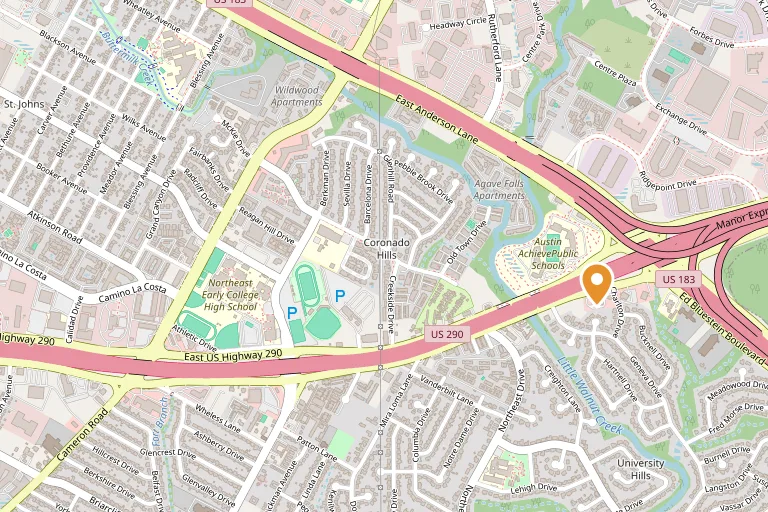
Nova Recovery Center Drug and Alcohol Rehab - Austin, TX
7501 E Hwy 290, Austin, TX 78752
References
FAQ: Addiction, Behavior, and Personality Change
What are the signs of personality disorder linked to addiction?
Addiction can sometimes mimic or worsen the signs of personality disorder, including impulsivity, mood swings, paranoia, or difficulty maintaining relationships. While these symptoms may overlap, a professional evaluation is necessary to determine whether they are substance-induced or related to an underlying mental health condition.
What are common personality disorder symptoms seen in people struggling with substance abuse?
Common personality disorder symptoms linked with substance use include chronic dishonesty, emotional instability, manipulative behavior, and withdrawal from family or friends. These changes can be temporary due to addiction or reflect a co-occurring mental health disorder.
Can addiction cause a sudden personality change?
Yes, substance abuse may cause a sudden personality change by disrupting brain chemistry. This can lead to uncharacteristic anger, isolation, or risky behaviors. When these changes appear quickly, it is often a sign of dependency or escalating use.
What are some reasons for personality change during addiction?
The main reasons for personality change include altered dopamine function, impaired judgment, and increased stress on the brain’s reward system. These shifts often result in mood disorders, aggression, or a lack of empathy in day-to-day interactions.
What are the causes of personality change in adulthood related to substance use?
The causes of personality change in adulthood tied to addiction often involve long-term alcohol or drug use, untreated trauma, or chronic stress. These factors can erode coping skills, making it harder for individuals to regulate emotions or maintain healthy relationships.
What is the difference between behavior therapy and cognitive behavior therapy?
Behavior therapy focuses on changing specific harmful actions, while cognitive behavior therapy (CBT) addresses both the thought patterns and behaviors that contribute to addiction. In recovery, CBT is often preferred because it helps clients recognize distorted thinking and replace it with healthier coping strategies.
How does dialectical behavior therapy near me help with addiction recovery?
Searching for dialectical behavior therapy near me can connect individuals with programs that teach mindfulness, emotional regulation, and interpersonal skills. DBT is especially effective for clients who struggle with intense emotions, impulsivity, or self-destructive behaviors linked to addiction.
What are some personality changes examples caused by drug or alcohol use?
Some personality changes examples include becoming secretive, losing interest in hobbies, showing increased irritability, or displaying uncharacteristic aggression. These examples highlight how addiction can reshape a person’s demeanor and priorities.
What can cause a sudden change in personality anger?
A sudden change in personality anger may result from withdrawal symptoms, cravings, or the psychological effects of prolonged substance use. This anger often surfaces as irritability, verbal outbursts, or even aggression that was not present before.
What is the difference between cognitive therapy vs cognitive behavioral therapy?
Cognitive therapy focuses strictly on identifying and changing negative thoughts, while cognitive behavioral therapy (CBT) combines this with behavior modification techniques. In addiction treatment, CBT is typically more comprehensive and effective.
What clients say
Trusted by clients across Texas
4.6 from 434 Google reviews across 9 locations
Across Nova Recovery Center, Briarwood Detox Center and Eudaimonia Recovery Homes
★★★★★
“Nova is far from perfect, and some of the information can be misleading. But if you want to cover the 12 Steps while enjoying good food and a beautiful scenic view, this is the place for you. The…”
10 months ago · Wimberley
★★★★★
“I did 90 days at Nova Recovery 6 years ago. I am still sober today. And living a life I could have never imagined. The people and the program they are running impacted me for a lifetime. Better than…”
2 years ago · Wimberley
★★★★★
“I went to Nova almost 9 months ago and I wouldn’t change it for the world. The staff when I first entered were very nice and welcoming. As a 19 year old that didn’t know what I was getting myself…”
2 years ago · Austin
★★★★★
“Nova Recovery Center has been an invaluable part of my journey to sobriety. The intensive inpatient program, coupled with the unwavering support and guidance from my recovery specialist, Mark Rector…”
2 years ago · Austin


★★★★★
“I had such a positive experience at Nova Recovery in Wimberley! The staff genuinely cares and went above and beyond to support me every step of the way. The peaceful setting made it easier to focus…”
a year ago · Wimberley
★★★★★
“I love Nova so freaking much. Nova has saved my life in more ways than one. I was hopeless and had no solution suffering from this disease. The staff there never gave up on me. I was the worst client…”
2 years ago · Austin
★★★★★
“I know Mark rector is non-binary however it saved my life and it did a good job with CPR and I don't know how aside from staying sober I could ever repay it thank you Mr or Mrs or whatever you're…”
8 months ago · Austin
★★★★★
“It's been a few years since I was a patient at Nova Recovery Center. Recently I have been reflecting on my time there and how incredibly grateful I am for the experience I had. I have been to 7 rehab…”
2 years ago · Austin


Talk to someone today
Ready when you are
Admissions are answered 24 hours a day by a person, not a queue. We will check your benefits for free and tell you what treatment would actually cost.
Free and confidential · No obligation