
Addiction
BPD & Alcohol: How Borderline Personality and Alcoholism Interact (and What Actually Helps)
Excellent 4.6 out of 5 434 Google reviews across our locations





Published September 28, 2025
Reviewed and updated August 5, 2026
At a Glance: BPD and Alcohol
- High overlapNearly half of people with borderline personality disorder also struggle with alcohol use disorder.
- Shared traitsImpulsivity and emotional dysregulation increase the risk of both BPD and alcoholism.
- Double impactAlcohol use often worsens BPD symptoms, leading to higher rates of self-harm and relationship conflict.
- Treatment approachThe best outcomes come from integrated care: treating BPD and alcohol use together with therapies like DBT-S or DDP.
- Hopeful recoveryWith the right support, people can reduce drinking, ease BPD symptoms, and build a more stable life.
If you live with borderline personality disorder (BPD), alcohol can feel like a quick way to turn the emotional volume down. In the moment, a drink may seem to take the edge off. Over time, though, the bpd alcohol pairing can lock you into a painful loop: spiking impulsivity, straining relationships, and making recovery harder.
We’ll unpack borderline personality and alcoholism, why they overlap, how to spot red flags, and what evidence‑based support looks like when you treat both together.










What is BPD
BPD is a pattern of intense emotions, fast shifts, black‑and‑white thinking, and a shaky sense of self that makes closeness feel both essential and threatening. It affects a meaningful slice of people seeking care, and it carries higher risks of self‑harm and suicidal behavior, especially when substances are in the mix.
Hallmarks you might recognize
- Big waves of emotion (that last longer than other people’s).
- Acting fast when feelings spike (impulsivity).
- Turbulent relationships shaped by fear of abandonment.
- Periods of emptiness, shame, or anger that feel bottomless.
Why do borderline personality and alcoholism co‑occur so often?
Short answer: shared vulnerabilities + real‑world stress.
- It’s common. Across studies, about half of people with BPD meet criteria for a current substance use disorder, and alcohol use disorder (AUD) is the most frequent. One large review found ~46% current AUD among people with BPD; looking from the other direction, ~17% of those with alcohol abuse/dependence meet criteria for BPD.
- Why the overlap? The same ingredients, emotion dysregulation and impulsivity, drive both conditions. Genetics likely contribute: twin data suggest shared heritability across BPD traits and alcohol problems.
“It helped…until it didn’t.”
In the short term, alcohol can numb or slow intense states. But as tolerance builds, drinking increases, fights flare, shame deepens, and urges spike, fueling the very symptoms you were trying to quiet. People with BPD also show a different craving profile: studies using daily diaries found more craving (and, in some contexts, more drinking) at work, at home, and around romantic partners, coworkers, and even their children, times many non‑BPD drinkers aren’t triggered.
How alcohol changes the course of BPD
- Worse outcomes togetherWhen BPD and a substance use disorder (including AUD) co‑occur, research links the pair to more suicidal behavior, more treatment dropout, and shorter abstinence periods compared with BPD alone.
- Often under‑recognizedIn clinical records, alcohol problems in BPD are frequently missed or under‑documented, which delays integrated care, even though SUDs are a major risk factor for suicidal behavior.

Freedom Starts Here. Take Back Your Life Today.
Same-Day Admissions in Austin Available.
Signs your drinking is putting BPD recovery at risk
Therapies with evidence for BPD + substance problems
- Dialectical Behavior Therapy for Substance Use Disorders (DBT‑S)Adds relapse‑prevention strategies to core DBT skills (distress tolerance, emotion regulation, interpersonal effectiveness) and has shown more days abstinentversus usual care in trials.
- Dynamic Deconstructive Psychotherapy (DDP)In BPD with alcohol dependence, DDP has been associated with less heavy drinking and broader BPD symptom gains over follow‑up.
- Dual‑Focus Schema Therapy / CBT‑based approachesIntegrated packages targeting personality patterns and alcohol triggers can improve abstinence and functioning, especially when paired with mutual‑help or contingency supports.
Why psychotherapy first? There’s no medication approved specifically for BPD; meds are adjuncts for targeted symptoms or comorbidities, and polypharmacy should be avoided. Psychotherapy remains the foundation.
About medications
- For alcohol use disorderclinicians may recommend FDA‑approved medications to curb craving or support abstinence as part of a full plan.
- For BPD symptomsSSRIs, mood stabilizers, or SGAs are sometimes used off‑label for comorbid conditions or specific targets (e.g., severe anger), but guidelines emphasize using the lowest effective regimen and prioritizing therapy.
Practical steps you can start this week
If you’re the one struggling
- Make urges observableTrack “when/where/with whom” you crave or drink. Many with BPD notice weekday/work or partner‑related triggers, data you can use to plan.
- Practice one DBT skill nightlyStart with TIPP (paced breathing, cold water, brief exercise) for 10 minutes to ride out spikes without reaching for a drink.
- Build a harm‑reduction bufferDelay the first drink by 30–60 minutes; switch to low/no‑alcohol options; set a pre‑commitment (e.g., cash only, no delivery apps).
- Anchor your weekBook two supports you’ll keep even on bad days (skills group, peer meeting, therapy, or a safe friend).
If you love someone with BPD who’s drinking
- Validate the feeling, set the limit. “I get how intense this is and I can’t stay if drinking turns this into a fight.”
- Offer structure, not control. “I can drive you to group Tuesdays and watch the dog during your session.”
- Know your emergency plan. Save 988, local crisis lines, and nearest ER; decide in advance when you’ll use them
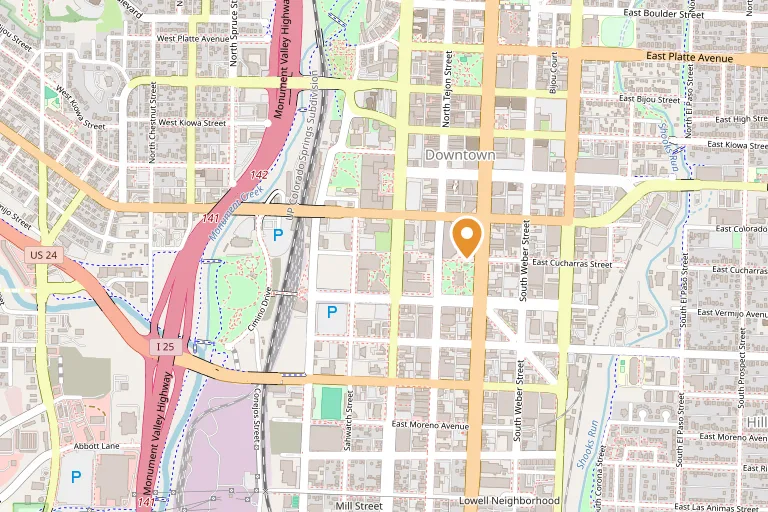
Nova Recovery Center Colorado Springs
Frequently Asked Questions About BPD and Alcohol
Does alcohol make BPD worse?
Yes. Alcohol can temporarily numb intense emotions, but it often worsens mood instability, impulsivity, and self-harm risk over time. For people with BPD, drinking tends to intensify emotional dysregulation and conflict, making recovery more difficult.
Is borderline alcoholism a thing?
The phrase “borderline alcoholism” isn’t a formal diagnosis, but it often refers to alcohol misuse linked with borderline personality disorder. Research shows nearly half of people with BPD also experience alcohol use disorder, making the connection very real.
Do people with BPD have alcohol problems?
Yes, alcohol problems are common among people with BPD. Studies suggest that about 46% of individuals with BPD will struggle with alcohol misuse at some point, highlighting the need for integrated treatment.
What triggers BPD rage?
BPD rage is often triggered by perceived rejection, abandonment, or invalidation. Alcohol can lower inhibitions and make emotional outbursts more intense, leading to escalated conflict in relationships.
What is the life expectancy of someone with BPD?
Life expectancy can be shorter for people with BPD, largely due to higher risks of substance abuse, accidents, and suicide. However, with proper treatment and support, many individuals with BPD achieve recovery and live fulfilling, stable lives.
What are the two major personality disorders most associated with alcoholism?
Borderline personality disorder and antisocial personality disorder are the two most closely associated with alcoholism. Both conditions share traits such as impulsivity and difficulty regulating behavior, which can contribute to problematic drinking.
How Nova Recovery Center Supports Borderline Personality and Alcoholism Treatment
At Nova Recovery Center, we recognize that many people who struggle with alcoholism also live with underlying mental health conditions such as borderline personality disorder. When alcoholism is the primary diagnosis, it often creates a cycle of instability, strained relationships, and health risks that can feel overwhelming. Our team provides evidence-based addiction treatment that prioritizes safe alcohol detox and long-term recovery while also addressing the emotional challenges of borderline personality disorder.
Through individualized treatment plans, clients receive therapies like cognitive behavioral therapy and dialectical behavior therapy, which help build healthier coping strategies, regulate emotions, and reduce impulsive behaviors. We understand that treating alcoholism without acknowledging borderline traits can leave important issues unresolved, so our integrated care model ensures both are addressed together. In addition, clients benefit from a structured recovery community, peer support, and relapse-prevention strategies designed to promote lasting sobriety.
By focusing on the whole person (mind, body, and spirit) Nova Recovery Center offers the tools and support necessary for sustainable recovery. With compassionate care and a full continuum of services, we help clients move beyond alcohol dependence and learn how to manage co-occurring conditions in daily life. References Stetsiv, Khrystyna, et al. “The Co-Occurrence of Personality Disorders and Substance Use Disorders.” 2023. PubMed Central, doi:10.1101/2023.04.05.23288170. Accessed 19 Sept. 2025.Gianoli, Martha O., et al.
“Treatment for Comorbid Borderline Personality Disorder and Alcohol Use Disorders.” Journal of Substance Abuse Treatment, vol. 42, no. 4, 2012, pp. 377-383. PubMed Central, doi:10.1016/j.jsat.2011.08.004. Accessed 19 Sept. 2025.Helle, A. C., et al. “Alcohol Use Disorder and Antisocial and Borderline Personality Disorders.” 2019. PubMed Central, doi:10.1016/j.psychres.2019.02.020. Accessed 19 Sept. 2025.Nabel, Jana, et al. “Unseen Dualities: Underdiagnosis of Substance Use Disorders in Borderline Personality Disorder.” Frontiers in Psychiatry, vol. 16, 2025.
Accessed 19 Sept. 2025.An Introduction to Co-Occurring Borderline Personality Disorder and Substance Use Disorders. SAMHSA, 2014. In Brief, Volume 8, Issue 3, www.samhsa.gov/sites/default/files/sma14-4879.pdf. Accessed 19 Sept. 2025.
Other Drug and Alcohol Rehab Locations
-
Drug Detox in Austin, Texas → Get directions ↗
-
Drug Detox in San Antonio, Texas → Get directions ↗
-
Drug Detox in Houston, Texas → Get directions ↗



Medical Disclaimer
The information provided on this page is for educational purposes only and should not be used as a substitute for professional medical advice, diagnosis, or treatment. Borderline personality disorder, alcohol use disorder, and other mental health conditions require evaluation and care by a qualified healthcare provider. Do not attempt to self-diagnose, self-medicate, or stop/start treatment without consulting a licensed professional. If you are experiencing severe withdrawal symptoms, suicidal thoughts, or a mental health crisis, call 911 in the United States or seek immediate medical attention. For confidential support, you can also dial 988 to connect with the Suicide & Crisis Lifeline, available 24/7.
Nova Recovery Center Editorial Guidelines
By instituting a policy, we create a standardized approach to how we create, verify, and distribute all content and resources we produce. An editorial policy helps us ensure that any material our writing and clinical team create, both online and in print, meets or exceeds our standards of integrity and accuracy. Our goal is to demonstrate our commitment to education and patient support by creating valuable resources within our realm of expertise, verifying them for accuracy, and providing relevant, respectful, and insightful data to our clients and families.
What clients say
Trusted by clients across Texas
4.6 from 434 Google reviews across 9 locations
Across Nova Recovery Center, Briarwood Detox Center and Eudaimonia Recovery Homes
★★★★★
“Nova is far from perfect, and some of the information can be misleading. But if you want to cover the 12 Steps while enjoying good food and a beautiful scenic view, this is the place for you. The…”
10 months ago · Wimberley
★★★★★
“I did 90 days at Nova Recovery 6 years ago. I am still sober today. And living a life I could have never imagined. The people and the program they are running impacted me for a lifetime. Better than…”
2 years ago · Wimberley
★★★★★
“I went to Nova almost 9 months ago and I wouldn’t change it for the world. The staff when I first entered were very nice and welcoming. As a 19 year old that didn’t know what I was getting myself…”
2 years ago · Austin
★★★★★
“Nova Recovery Center has been an invaluable part of my journey to sobriety. The intensive inpatient program, coupled with the unwavering support and guidance from my recovery specialist, Mark Rector…”
2 years ago · Austin


★★★★★
“I had such a positive experience at Nova Recovery in Wimberley! The staff genuinely cares and went above and beyond to support me every step of the way. The peaceful setting made it easier to focus…”
a year ago · Wimberley
★★★★★
“I love Nova so freaking much. Nova has saved my life in more ways than one. I was hopeless and had no solution suffering from this disease. The staff there never gave up on me. I was the worst client…”
2 years ago · Austin
★★★★★
“I know Mark rector is non-binary however it saved my life and it did a good job with CPR and I don't know how aside from staying sober I could ever repay it thank you Mr or Mrs or whatever you're…”
8 months ago · Austin
★★★★★
“It's been a few years since I was a patient at Nova Recovery Center. Recently I have been reflecting on my time there and how incredibly grateful I am for the experience I had. I have been to 7 rehab…”
2 years ago · Austin


Talk to someone today
Ready when you are
Admissions are answered 24 hours a day by a person, not a queue. We will check your benefits for free and tell you what treatment would actually cost.
Free and confidential · No obligation